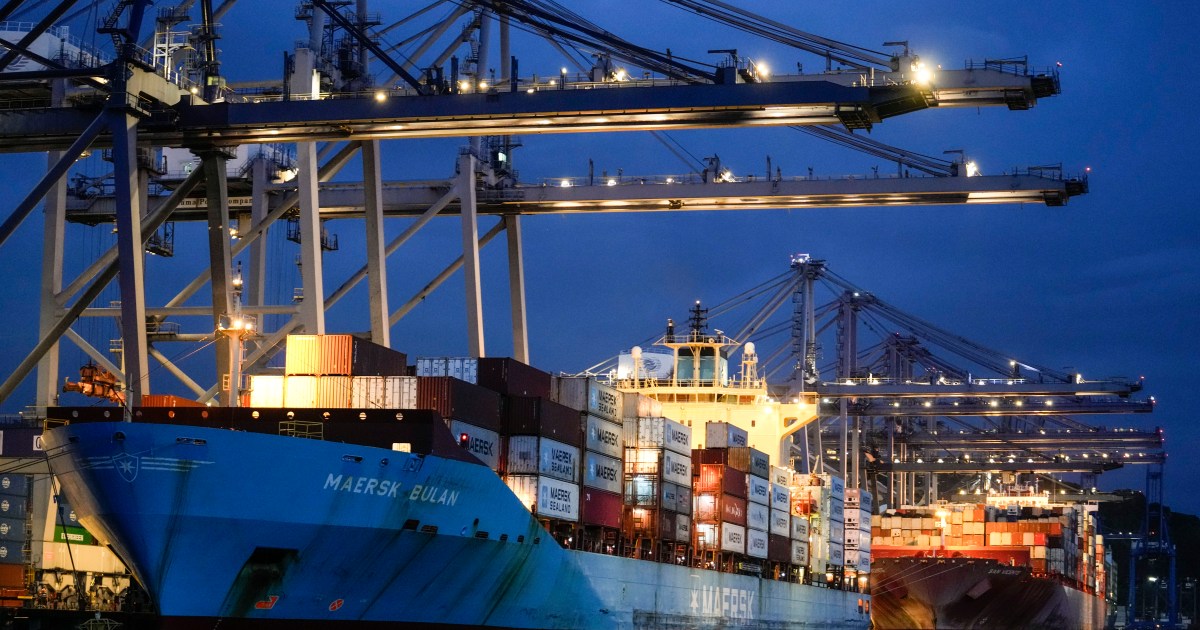
Panama's Supreme Court ruled late Thursday that the concession contracts allowing a Chinese-linked entity to operate key ports flanking the Panama Canal are unconstitutional. The ruling specifically targets the facilities managed by Panama Ports Company (PPC), a subsidiary of CK Hutchison, which runs the Balboa and Cristobal container terminals. This judicial action revokes the arrangement that was automatically renewed in 2021 for an additional twenty-five years.
The court determined that the legislation supporting the development, construction, and operation agreements violated the nation's constitution, according to reports from Al Jazeera. The lawsuit, filed last year, also cited allegations that PPC failed to remit appropriate taxes to the Panamanian state. An ensuing audit reportedly uncovered accounting irregularities that cost Panama an estimated $300 million since the 2021 extension.
These terminals are strategically vital, as the Panama Canal handles approximately five percent of worldwide maritime trade flow. The ruling may compel Panama to initiate new tenders for operating the terminals or fundamentally restructure the legal framework governing such concessions. The US administration, under President Donald Trump, had previously pressured Panama to reduce Chinese influence over the waterway, which the US constructed before handing control to Panama in 1999.
PPC swiftly rejected the court's determination, asserting in a public statement that the ruling lacks legal foundation and threatens the stability of thousands of local jobs dependent on port activity. Conversely, Beijing responded forcefully, with a foreign ministry spokesman indicating that China would take necessary measures to safeguard the legitimate rights and interests of its associated companies.
This legal dispute occurs amidst heightened geopolitical tension surrounding critical global choke points. Last year, CK Hutchison reportedly moved to sell its global port holdings, including the Panamanian terminals, to a BlackRock-led consortium, a deal that appeared to stall amid Chinese governmental objections.
The broad implications extend to foreign investment security within Central America, particularly concerning Chinese infrastructure stakes. The decision underscores the domestic legal scrutiny capable of overriding long-term international commercial agreements, potentially signaling a shift in how Panama manages strategic assets.