Oman and Iran held high-level talks on Saturday to discuss options for ensuring the smooth transit of vessels through the Strait of Hormuz. The Omani Foreign Ministry stated the meeting took place at the level of undersecretaries and included specialists from both nations.
“Possible options were discussed regarding ensuring the smooth passage through the Strait of Hormuz during these circumstances witnessed in the region,” the ministry said in a statement on X. “During the meeting, experts from both sides presented a number of visions and proposals that will be studied.”
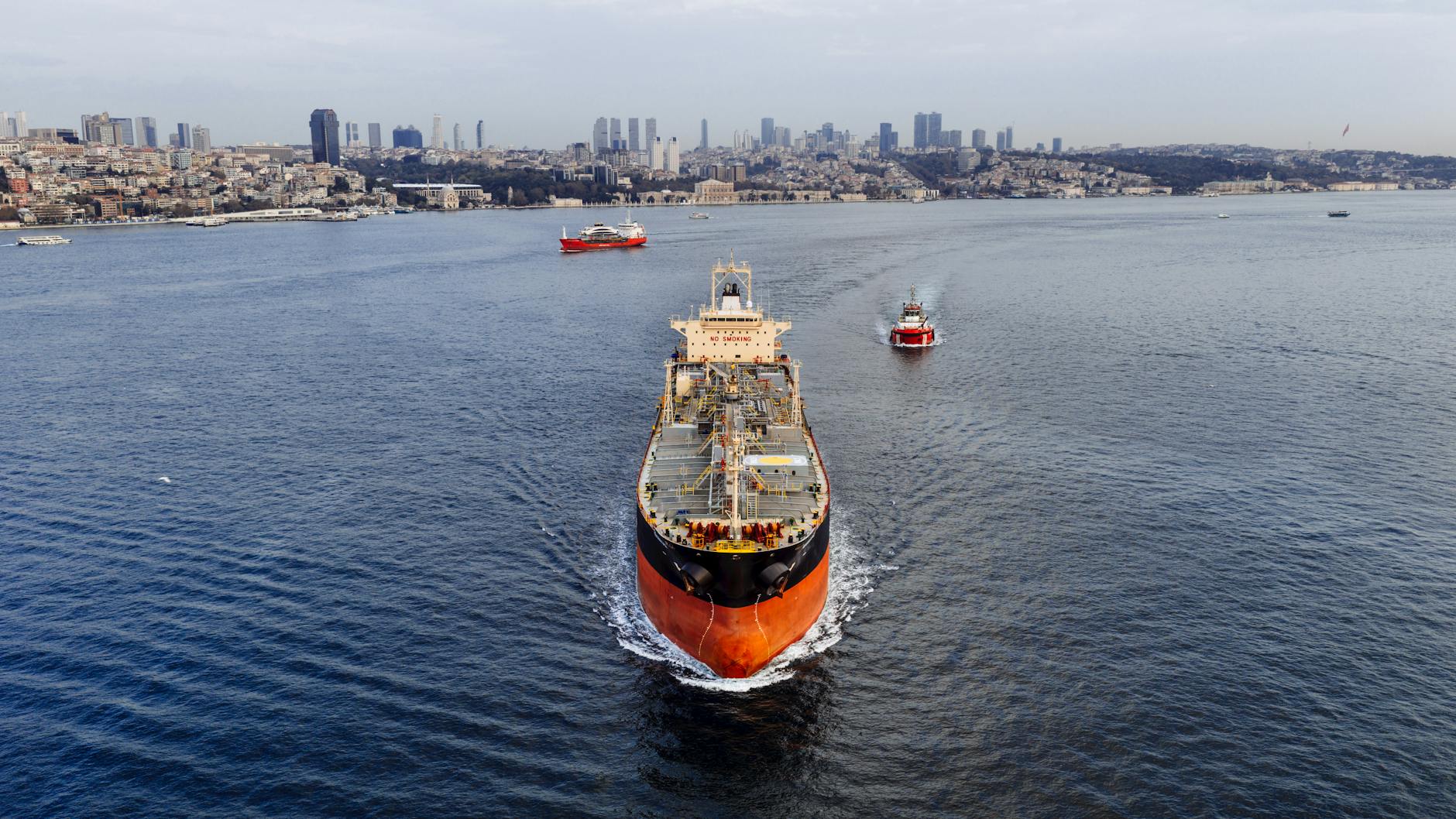
Shipping data from Lloyd’s List indicates the urgency of the situation. On Sunday, three Omani vessels—two oil supertankers and one liquefied natural gas carrier—transited the strait outside of the corridor previously approved by Iran near Larak Island. The vessels were observed sailing unusually close to the Omani coast.
A critical energy chokepoint
The Strait of Hormuz remains a vital artery for global energy, with roughly one-fifth of the world’s oil supply passing through its waters. Since the US-Israeli war on Iran began on February 28, the Iranian Islamic Revolutionary Guard Corps has severely restricted access to the waterway. While Iran has permitted passage for select vessels linked to Turkey, France, and Pakistan, approximately 3,000 ships remain stranded.
President Donald Trump issued an ultimatum over the weekend, threatening to unleash “all Hell” if the strait is not reopened by Monday. The threat comes as the U.S. and Israel continue to target Iranian infrastructure, including recent strikes on power plants and bridges.
Diplomatic efforts to de-escalate the situation are ongoing. Egyptian Foreign Minister Badr Abdelatty held separate calls with U.S. Special Envoy Steve Witkoff and Iranian Foreign Minister Abbas Araghchi to discuss regional stability, according to an Egyptian Foreign Ministry statement released Sunday.