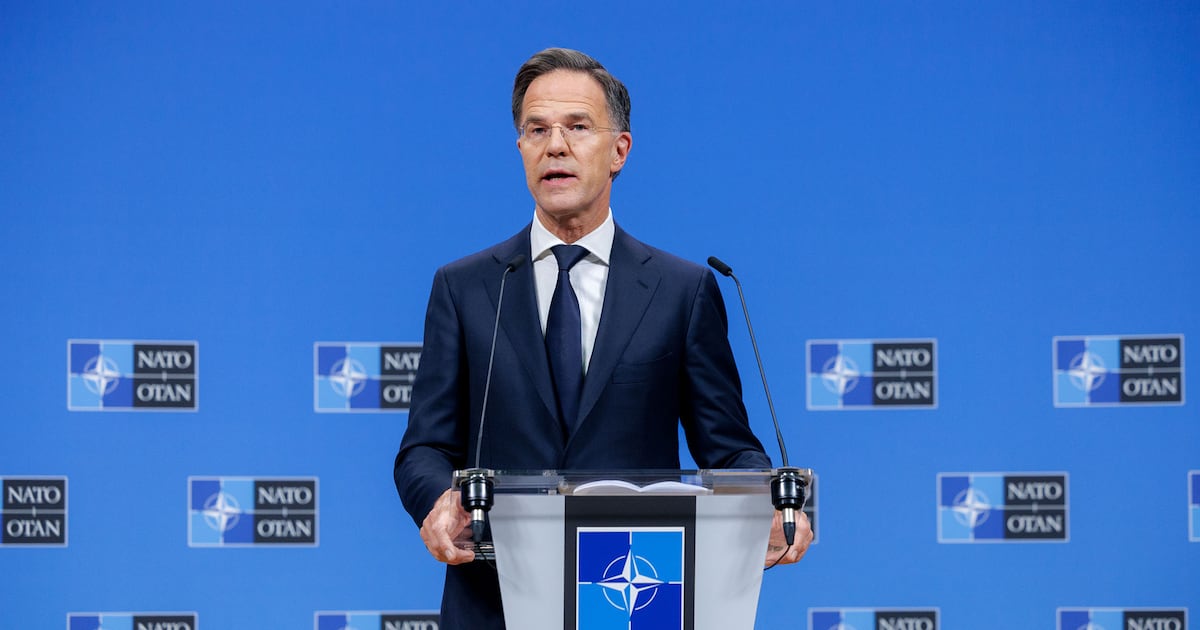
NATO Secretary General Mark Rutte endorsed the United States military operation against Iran this Sunday. He stated the action is essential to dismantle Tehran’s nuclear and missile programs. This support comes despite significant domestic debate within the United States regarding the necessity of the campaign.
Rutte told Fox News that eliminating the threat is a priority for global security. He acknowledged skepticism among American citizens but maintained the operation creates a safer world. The Secretary General emphasized the existential danger posed by the Islamic Republic’s developing arsenal.
The official explained why Washington did not share intelligence with Atlantic allies beforehand. He argued that premature disclosure would have compromised the element of surprise. Rutte noted that European partners are now planning collective responses alongside the United States.
Attention turns to the Strait of Hormuz as a critical artery for global energy transport. Rutte called for a coalition of nations to ensure free circulation through the waterway. Securing this passage remains a central goal for maintaining international trade stability.
Chilean policymakers monitor the situation closely due to trade dependencies on global shipping lanes. The country exports significant copper volumes that rely on stable maritime logistics. Disruptions in the Middle East could impact energy costs and inflation rates domestically. Santiago tracks the Strait of Hormuz to anticipate supply chain delays.
The government maintains diplomatic channels open while assessing potential economic risks. Santiago expects volatility in commodity markets if tensions escalate further. Officials prioritize protecting export routes from potential blockades in the region. Recent data shows Chilean exports depend heavily on Asian markets.
During an NBC interview, Rutte reiterated the severity of the Iranian nuclear program. He described the risk as affecting Israel, the region, Europe, and the entire world. The Secretary General expressed hope that the American public understands the strategic necessity.
The military action occurred while nuclear negotiations were reportedly ongoing. This timing highlights a shift from diplomatic engagement to kinetic confrontation. Previous efforts to curb the program have failed to produce verifiable results.
Markets react to heightened geopolitical tension in the Middle East region. Investors watch for potential shifts in oil prices that influence commodity demand. Chilean central bankers analyze how external shocks might affect monetary policy decisions. Copper prices often fluctuate based on global growth expectations linked to energy stability.
Alliances within the Atlantic structure are re-evaluating their defense postures. Rutte indicated that further coordination will define the collective security architecture. The international community awaits official declarations from Tehran regarding the incident.