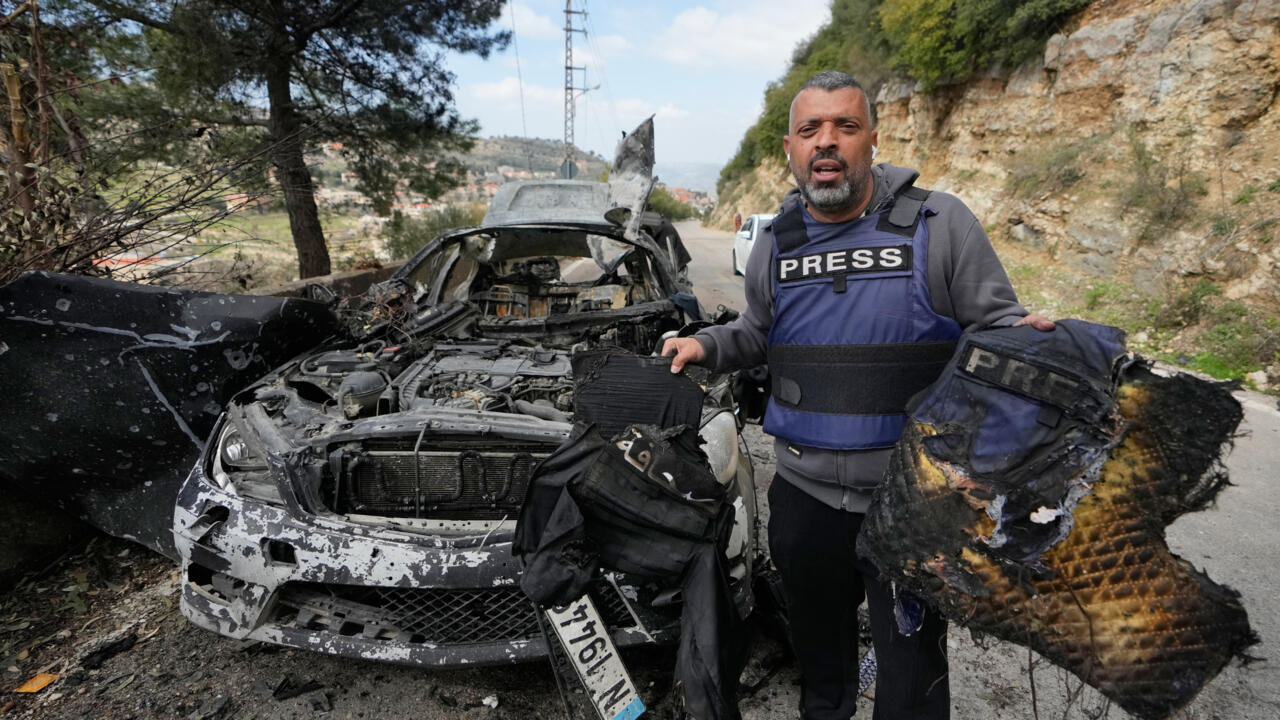
The war in the Middle East entered its second month on Saturday, marked by a deadly Israeli strike that killed three Lebanese journalists and wounded others in southern Lebanon.
Yemen’s Tehran-backed Houthi rebels claimed responsibility for their first direct attack on Israel since the start of the conflict, signaling an intensifying regional escalation involving multiple state actors.
Humanitarian costs are mounting rapidly across the region, with the World Health Organization reporting significant casualties among medical staff in southern Lebanon. The latest incidents struck medical teams in five separate villages, severely disrupting health services that were already under immense strain from prior hostilities and closing several hospitals entirely.
Specifically, four hospitals and 51 primary healthcare centres are now closed, with several other facilities operating at reduced capacity according to WHO Director-General Tedros Adhanom Ghebreyesus. He added that the repeated strikes have severely disrupted health services in southern Lebanon as rescuers and medical staff face continued danger.
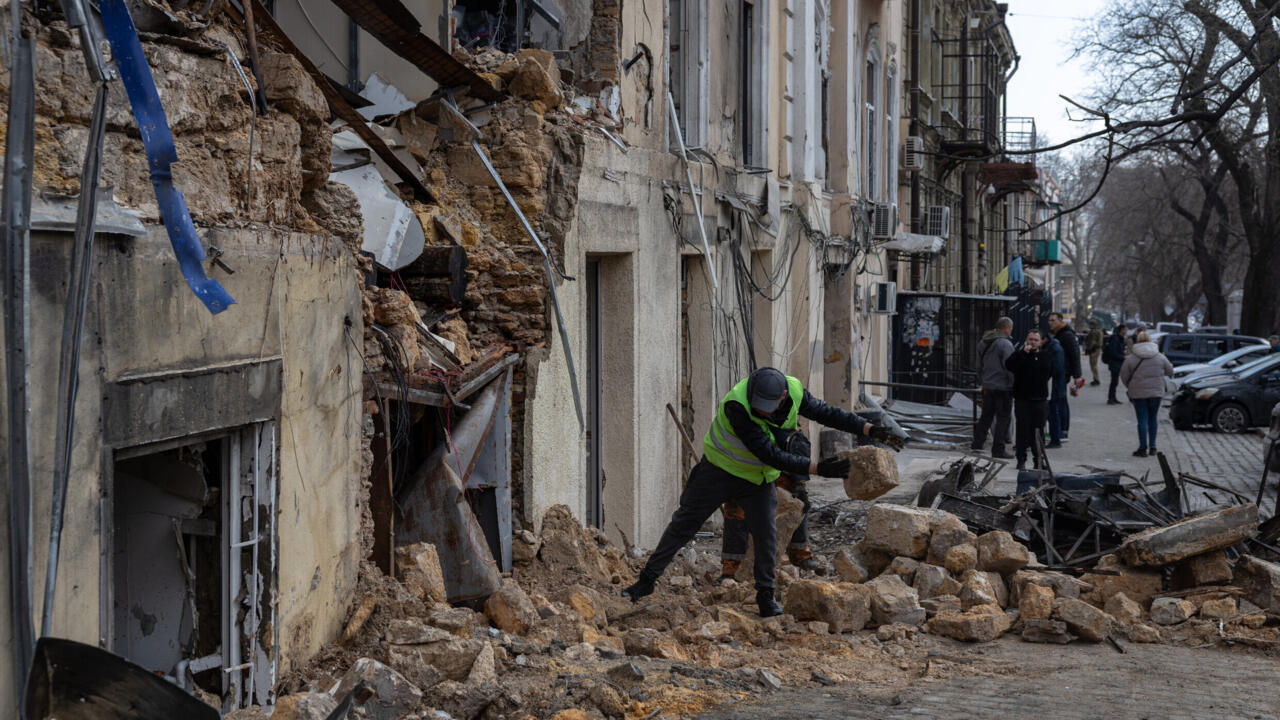
Infrastructure damage is compounding economic instability as French President Emmanuel Macron warned against drawing Iraq into the current escalation following a deadly strike in northern Iraq. Every effort must be made to avoid the country being sucked up into an expansion of the Middle East war, according to statements released after consultations with Kurdish leadership and the head of the autonomous Kurdistan region.
Security sources confirmed that at least two Iraqi police personnel were killed and two wounded in an airstrike targeting a Popular Mobilisation Forces headquarters in Mosul. The PMF, known in Arabic as Hashd al-Shaabi, is an umbrella group of mostly Shi'ite paramilitary factions that was formally integrated into Iraq's state security forces and includes several groups aligned with Iran.
Economic measures are being implemented to cope with soaring fuel prices and energy costs driven by the conflict in Iran. The French government announced €70 million in targeted aid for April, helping transport, fishing, and agriculture sectors facing financial pressure from rising energy expenses and a 20-cent-per-litre fuel subsidy for small businesses.
Meanwhile, Egyptian Prime Minister Mostafa Madbouly said the government would slow down large state projects involving high fuel and diesel consumption for two months to rationalize consumption. This move is part of broader measures to cope with the economic fallout from the Iran war, which has driven up energy costs and strained public finances significantly as debt servicing costs are set to rise by 5 percent.
Nuclear safety remains a critical concern as the situation at Iran's Bushehr nuclear power plant continues to deteriorate under ongoing attacks by regional adversaries. The International Atomic Energy Agency said that Iran had informed it of another strike in the vicinity of Bushehr, the third such incident in 10 days with no reported radiation release but posing a direct threat to safety.
Diplomatic pressure is mounting as G7 foreign ministers called for Iran to immediately restore freedom of navigation in the Strait of Hormuz to prevent global supply chain disruptions. More than 1,900 people have been killed in Iran since the start of US-Israel strikes, according to numbers released by the Red Cross on Saturday following reports of missile and drone strikes on Gulf sites.
Regional leaders condemned the targeting of civilians and journalists, with Lebanese President Joseph Aoun stating that Israeli aggression violates the most basic rules of international law and humanitarian standards. This is a blatant crime that violates all the norms and treaties under which journalists enjoy international protection in wars, according to the presidency statement released on Saturday regarding the strike on Al Manar TV.
As the heads of the Iranian leadership roll, regime change remains unlikely anytime soon despite the heavy toll on civilian infrastructure and economic instability. France 24 spoke to Middle East expert Filippo Dionigi to understand why the conflict persists without a clear resolution or cessation of hostilities in sight for regional stability.