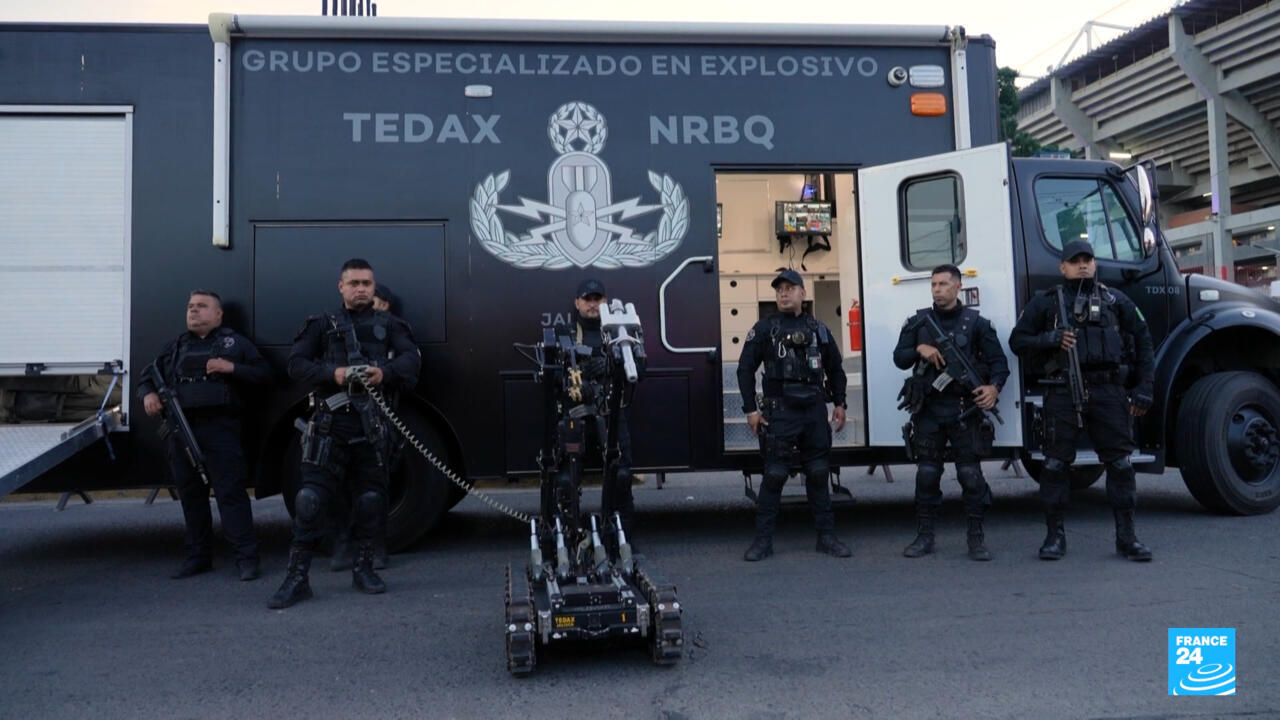
Mexico is preparing for the 2026 World Cup with heightened security protocols following a significant spike in criminal activity across the nation. The government deployed additional federal forces to key host cities just months before the tournament begins its official schedule on the field. President Claudia Sheinbaum announced the measures during a press conference in Mexico City to address growing public anxiety regarding the event. Officials stated that the operation involves coordination with local authorities to secure the stadiums and surrounding infrastructure. Reports indicate that the deployment includes specialized units trained for urban combat and crowd control. This strategy aims to prevent any potential disruptions from organized crime groups operating in the region.
Security Context
Violence has increased significantly after the death of notorious drug lord El Mencho in late February during a specialized military raid. Special forces killed the leader during an operation that triggered retaliatory attacks across the country by rival factions seeking control. This escalation raises serious concerns about the safety of international visitors and athletes traveling to the region for the competition. Criminal organizations are reportedly attempting to fill the power vacuum left by the removal of high-profile leaders. The situation has prompted the federal government to declare a heightened state of alert in several northern states.
Government Response
Despite the risks, the administration insists that the necessary security measures will protect fans and players throughout the duration of the tournament. Sheinbaum stated that the priority is ensuring safety for all participants and spectators visiting the designated host cities this summer. The military has been authorized to support local police in high-risk zones to maintain order and prevent criminal interference. Intelligence agencies are monitoring potential threats and coordinating with international partners for information sharing. This comprehensive approach seeks to reassure stakeholders that the event will proceed as planned.
International Confidence
FIFA President Gianni Infantino expressed confidence in Mexico's ability to host the event without major disruptions to the global schedule. He emphasized that the organization trusts the host nation to manage logistical challenges effectively despite the complex security environment. The governing body has not issued any official warnings regarding the tournament location and continues to support the bid process. Infantino noted that the World Cup is a unifying event that brings together nations regardless of local political tensions. This stance reflects the organization's commitment to the integrity of the competition schedule.
Host City Logistics
Thirteen matches are scheduled to take place in Guadalajara, Monterrey, and Mexico City during the summer months of the 2026 competition. These urban centers represent major economic hubs that rely heavily on tourism revenue to sustain local businesses during the event. Security teams will conduct extensive background checks on personnel entering the stadium zones to mitigate potential threats from armed groups. The cities have invested heavily in infrastructure upgrades to accommodate the influx of international travelers and media coverage. These preparations are critical for the economic success of the tournament beyond just the sporting competitions.
Regional Comparison
Previous World Cup tournaments in South America faced similar security challenges regarding organized crime and political instability in the host regions. The 2014 event in Brazil required significant investment in public safety infrastructure to deter criminal groups from exploiting the influx of visitors. Analysts note that Mexico faces a more complex threat environment than its regional neighbors due to the specific cartel dynamics. Security experts warn that the legacy of violence in the region requires continuous vigilance from law enforcement agencies. These historical precedents inform the current security planning for the North American host nations.
Economic Implications
Economic stability remains a concern as the government balances security spending with fiscal priorities in the current volatile market conditions. Tourism revenue could reach billions of dollars if the tournament proceeds without major incidents or disruptions to the schedule. Investors are monitoring the situation closely before committing to long-term projects in the region that depend on stability. The hospitality sector expects a surge in bookings provided that the security situation remains manageable during the event. Financial analysts suggest that the economic impact will depend heavily on the perception of safety among potential tourists.
Future Outlook
International observers will watch the security situation as the event approaches in the coming weeks with high levels of scrutiny from global media. Any major incident could impact the reputation of the host nation and future bidding processes for major international sporting events. Authorities remain committed to completing preparations despite the volatile security landscape and the ongoing threat from organized crime. Diplomatic channels are open to discuss security cooperation with visiting teams and their support staff. The success of these efforts will determine the long-term legacy of the tournament for the region.