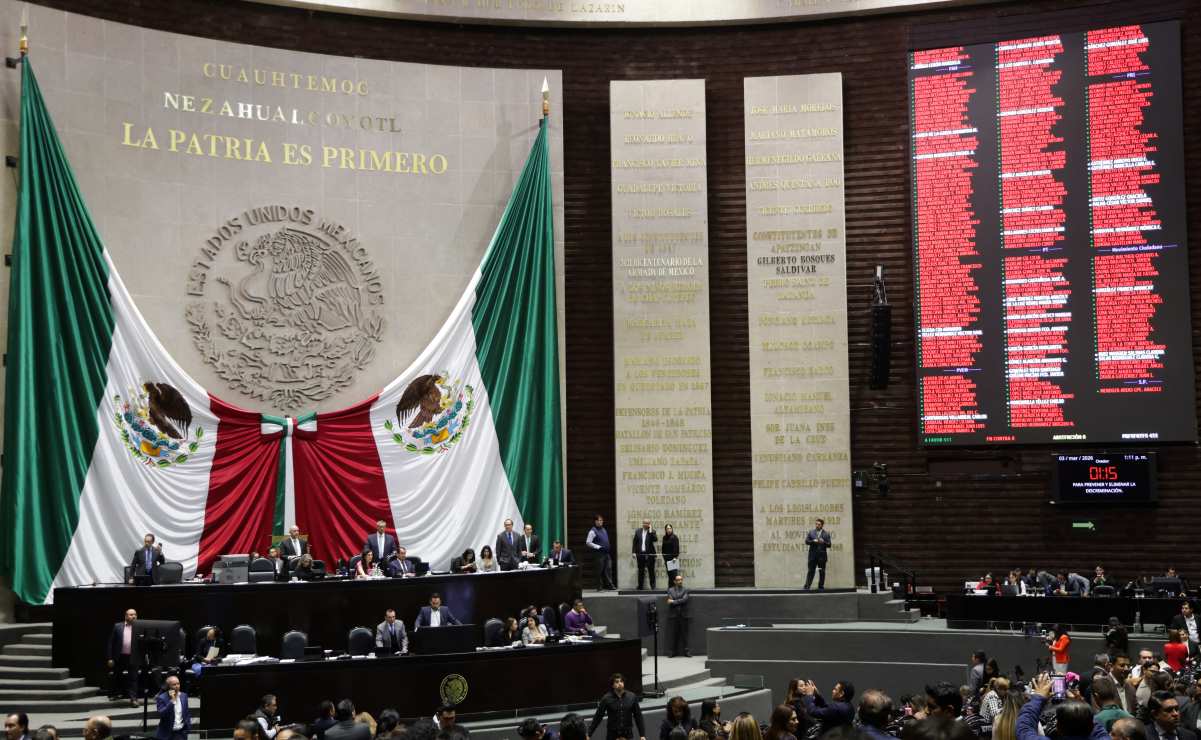
Mexican lawmakers are set to review a revised electoral reform proposal today, marking a critical step in the nation's legislative agenda. Victor Hugo Lobo, head of the Political Electoral Reform Commission, confirmed the circulation of the so-called Plan B among committee members. The move aims to finalize constitutional changes by early next week, according to reports from El Universal.
Key Details
The proposed legislation addresses significant amendments to the electoral framework, though it notably excludes the revocation of mandate provision from its final text. Lobo explained that while the Senate's original minuta title still references revocation, the content does not support it. This distinction prevents the document from being returned to the originating chamber for technical corrections.
Technical teams and commission presidents are aware of the discrepancy between the title and the actual content of the constitutional article. Public records confirm that the Senate did not approve the mandate revocation section within Article 35 of the constitution. Consequently, the reform will proceed without this specific mechanism despite the lingering title reference.
"We decided not to modify it because doing so would imply returning the document with changes to the Chamber of origin," Lobo stated. He emphasized that the intention is not to include the revoked mandate matter in the final legislation. This clarification aims to prevent procedural delays during the upcoming legislative session.
The legislative schedule is tight, with a vote planned for the combined commissions on April seven. Following this, the full Chamber of Deputies is expected to discuss and vote on the measure on April eight. This timeline suggests a rapid progression through the legislative process for the reform.
What This Means
The ruling party, Movimiento de Regeneración Nacional, holds the majority required to push the bill through both chambers. This political dynamic ensures the reform's passage but raises questions about the depth of opposition scrutiny. The speed of the process may impact the perceived legitimacy of the constitutional changes among voters.
Regional observers note that Mexican political stability is crucial for broader Latin American geopolitical trends. Changes to electoral laws can influence investor confidence and regional diplomatic relations significantly. The outcome of this vote will set a precedent for future governance structures in the hemisphere.
Stakeholders will watch closely for any legal challenges or public backlash following the final vote. The implementation of these reforms could reshape the political environment for years to come. Further analysis will be required to assess the long-term impact on democratic institutions.