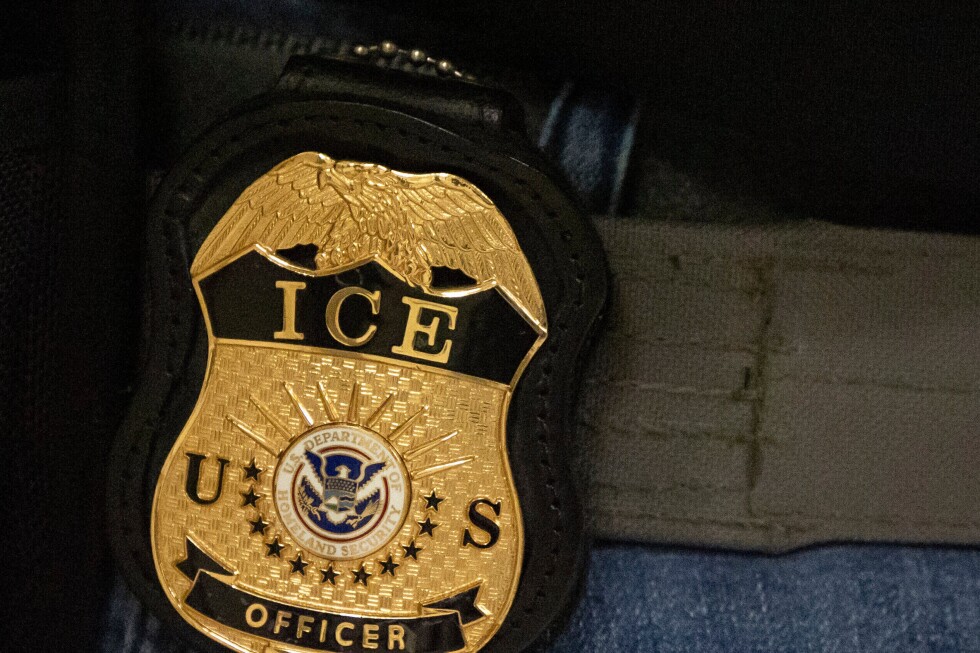
A 19-year-old Mexican national, Royer Perez-Jimenez, died in U.S. Immigration and Customs Enforcement (ICE) custody at the Glades County Detention Center in Moore Haven, Florida, early Monday. ICE reported he was found unconscious at 2:34 a.m. and pronounced dead 17 minutes later, citing a presumed suicide, though the official cause remains under investigation by local authorities. Perez-Jimenez, the youngest person to die in ICE custody since President Donald Trump resumed office in 2025, had been held since late January after being arrested by the Edgewater Police Department on misdemeanor charges.
Key Details
Perez-Jimenez was discovered unresponsive in a dormitory at the facility, prompting staff to initiate cardiopulmonary resuscitation. Two medical personnel arrived shortly afterward and found no pulse, followed by fire rescue deputies who began life-sustaining interventions. Despite these efforts, he was declared dead at 2:51 a.m., according to ICE. The Glades County Detention Center, located about 55 miles northeast of Fort Myers, was previously shut down under the Biden administration but reopened under Trump’s immigration enforcement expansion.
"Immigration detention system deprives people of freedom, isolates people away from loved ones, and subjects people to abysmal conditions," said Carly Pérez Fernández, communications director at Detention Watch Network.
The death is the second in ICE custody within a week. An Afghan national who had assisted U.S. forces was hospitalized after detention in Texas and later died. Since the start of 2026, 13 migrants have died while in ICE custody, a sharp increase compared to the same period in 2024, when six deaths were reported. Perez-Jimenez’s case underscores growing concerns over mental health monitoring and living conditions in contracted detention facilities.
What This Means
The Mexican government issued a formal statement calling the death "unacceptable" and demanding a prompt, transparent investigation by U.S. authorities. Consular officials from the Mexican Consulate in Miami visited the detention center and requested case documentation. The incident has intensified scrutiny of Florida’s role in federal immigration enforcement, as the state hosts major facilities such as the South Florida Detention Center and Krome North.
Reports from past detainees have detailed unsanitary conditions, including worms in food, nonfunctional toilets, and sewage overflows. ICE’s current policy restricting bond releases for detainees has contributed to prolonged incarceration, increasing strain on an already overburdened immigration court system. This has raised concerns among human rights advocates about systemic neglect and the psychological toll of extended detention.
As investigations continue, advocates are urging reforms to end the use of for-profit detention centers and improve medical and mental health oversight. With the Trump administration expanding detention capacity, the death of Perez-Jimenez may become a focal point in broader debates over immigration policy and human rights in the U.S. custody system.