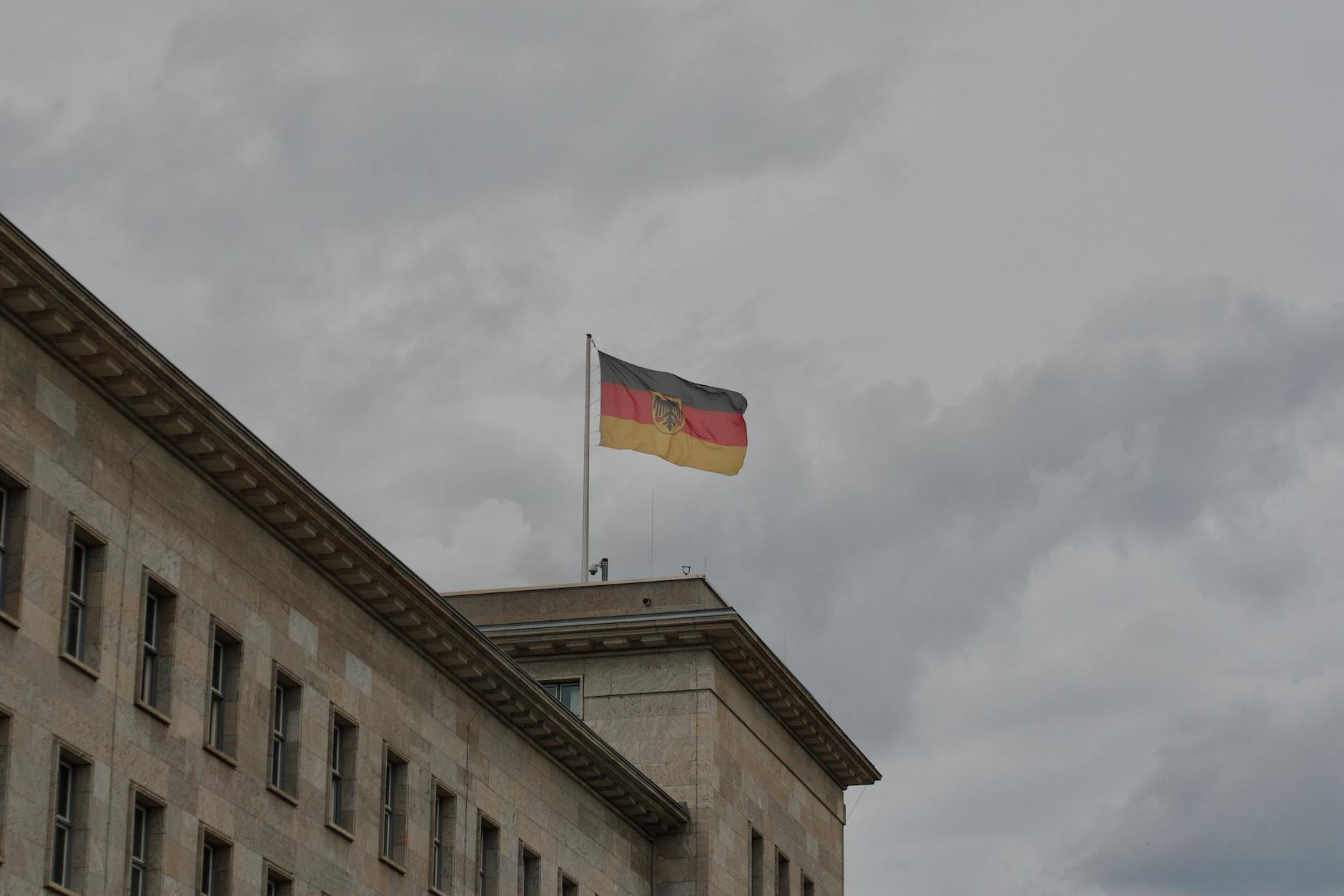
German Chancellor Friedrich Merz announced an ambitious repatriation strategy on Tuesday, stating that 80% of Syrian refugees currently residing in Germany should return home within three years. The proposal emerged following a high-profile meeting with Syrian President Ahmed al-Sharaa in Berlin, marking a significant shift from previous migration policies established since the 2015 crisis. Merz cited fundamental changes in the security situation in Syria as the primary driver for this reassessment of protection needs across the continent. He emphasized that the window for maintaining permanent status is narrowing as stability returns to the region, necessitating urgent policy adjustments. This target follows the arrival of almost one million Syrians during the height of the civil war.
Under the new framework, the German government prioritizes the return of individuals without valid residence rights, including criminal offenders, before addressing broader refugee populations. Merz acknowledged that the situation on the ground has evolved significantly since the end of the civil war over one year ago. He emphasized that the necessity for international protection status must be recalibrated based on current conditions rather than historical precedents. The administration plans to review individual cases systematically to determine eligibility for continued residency or mandatory departure under new legal guidelines.
Geopolitical Shifts
The initiative reflects a broader political pivot in Berlin, where support for the anti-immigration Alternative for Germany party has surged in recent polls. This policy stance contrasts sharply with the 2015 decision by former Chancellor Angela Merkel to keep borders open during the initial refugee crisis. Critics argue the move signals a departure from the humanitarian principles that defined German foreign policy for decades. Merz's government views the shift as a pragmatic response to changing domestic economic pressures and social cohesion concerns.
President al-Sharaa, who came to power after leading an Islamist rebel offensive in December 2024, expressed hope that Syrians could contribute to reconstruction efforts without losing their stability in Europe. He proposed a circular migration model that would allow professionals to work abroad while supporting development at home. Sharaa stated that Germany would never forget the hospitality shown to Syrians during the height of the conflict. The plan aims to balance economic contribution in both nations while ensuring eventual repatriation for the majority of the displaced population.
Human Rights Concerns
Opposition politicians and activists remain skeptical about the feasibility of mass returns given the unstable security environment and lack of basic infrastructure in parts of Syria. Franziska Brantner of the Green Party warned that many refugees are deeply anchored in German society, holding systemically important jobs and raising children in schools. She noted that returning to areas with ongoing sectarian violence poses a significant risk to civilian safety. The government has not yet provided a timeline for infrastructure recovery in northern regions where many refugees reside.
Protests accompanied the diplomatic visit, led by the Kurdish Community in Germany demanding binding commitments regarding minority protection in Damascus. The organization accuses al-Sharaa of human rights violations and has called for guarantees before any return process begins. Recent clashes between government-aligned forces and Kurdish groups in the north-east highlight the fragility of the ceasefire. International observers question whether the interim parliamentary body offers meaningful representation for excluded groups seeking autonomy.
From an economic perspective, the departure of skilled workers such as doctors and carers could strain Germany's labor market if replacements are not found quickly. However, Merz indicated that retaining essential personnel would remain a priority where it aligns with national interests. The potential loss of human capital represents a complex trade-off between domestic political demands and economic stability. Labor unions have yet to formally respond to the implications for the healthcare and social care sectors where shortages are acute.
Implementation details remain sparse, leaving questions about enforcement mechanisms and the legal status of those who choose to stay in Germany. International observers will watch closely to see if the three-year timeline aligns with the stabilization of the Syrian conflict zone. The outcome of this policy could set a precedent for migration management across the European Union in the coming decade. Diplomatic relations between Berlin and Damascus will likely deepen as funding for reconstruction is discussed and negotiated.