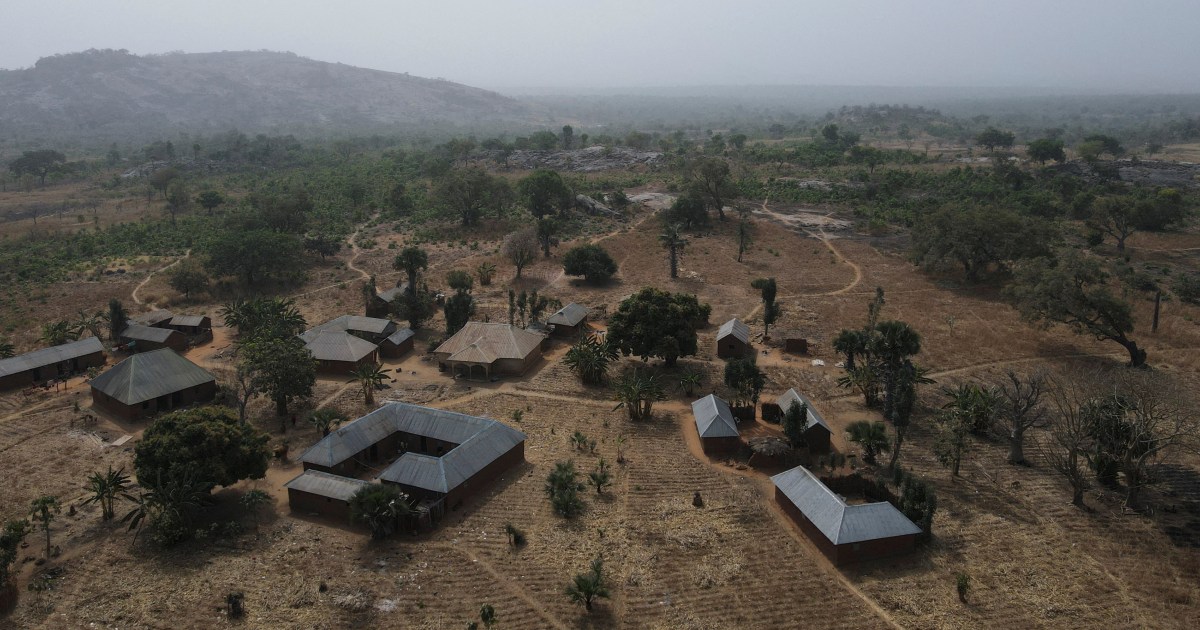
Gunmen, locally identified as bandits, forcibly abducted 177 residents from Kurmin Wali village in Nigeria’s Kaduna State on Sunday, January 18, marking a severe escalation in regional insecurity. The coordinated attack involved seizing victims from homes and three local churches before marching dozens into the surrounding forest at gunpoint, according to reports detailed by Al Jazeera.
Following the incident, Kaduna state officials initially refuted the reports, with the police commissioner labeling accounts of the abduction as 'falsehood peddled by conflict entrepreneurs.' Two days later, national police spokesman Benjamin Hundeyin confirmed the event, stating security operations were underway to locate and rescue the victims.
Victims recounted being tied and beaten before being forced to trek long distances into the bush; at least 11 individuals managed to escape their captors during the transit. One survivor, Maigirma Shekarau, managed to flee with his young daughter while the captors paused, though the rest of his immediate family remains in captivity. The scale of the event suggests a significant operational capacity among the non-state armed actors plaguing the region.
Broader economic implications are evident as residents, fearful of further raids and subsequent ransom demands—one of which demanded the return of 10 motorcycles allegedly hidden from military patrols—are abandoning the farming community. Village Chief Ishaku Danazumi confirmed that captors frequently loot grain stores, directly threatening the subsistence economy of the area.
Despite Governor Uba Sani's commitment to establishing permanent protection, including the potential deployment of a military post, villagers expressed deep skepticism regarding official security assurances. Residents noted that the police presence appeared focused on documenting victims after initial denial, rather than proactive deterrence, prompting many survivors to plan immediate relocation.
This incident follows a recent pattern where 21 other kidnap victims were returned after a ransom payment just days prior to the mass abduction, suggesting that successful past operations embolden further attacks. The continuous cycle of violence and extortion places severe strain on local governance and discourages long-term settlement in vulnerable rural zones.