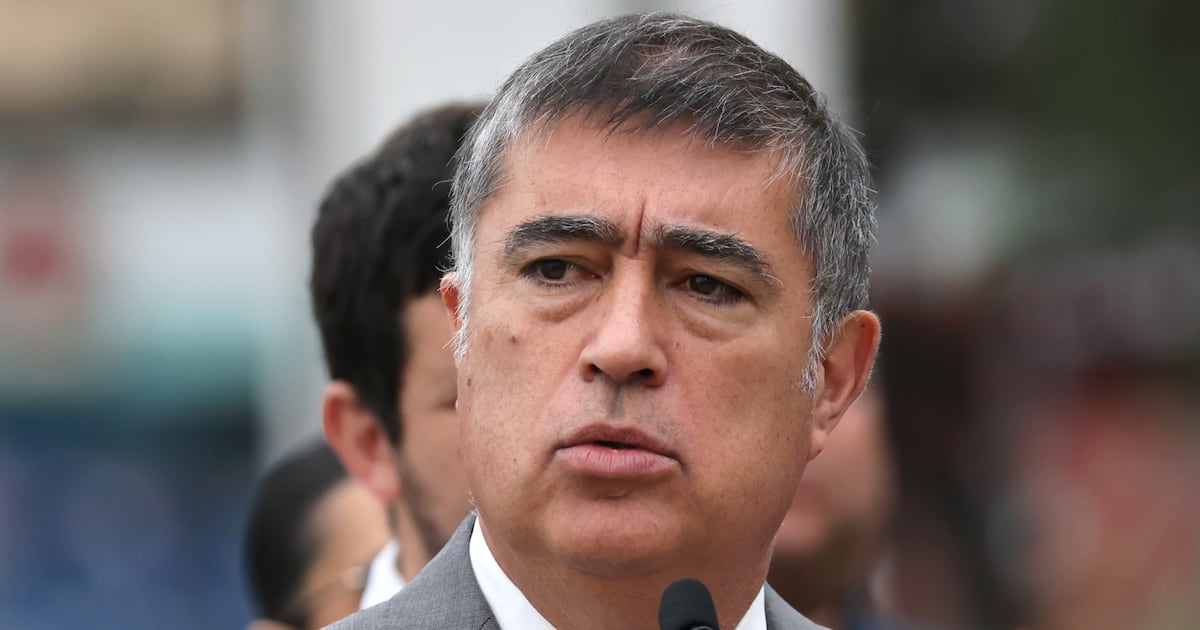
Mario Desbordes, the current mayor of Santiago, officially announced his resignation from Renovación Nacional on Tuesday. This move concludes a 26-year period of active militancy within the conservative political organization. The announcement arrives just days before the party is scheduled to hold its internal elections on March 28.
Sources indicate the departure stems from growing internal discomfort regarding the strategic direction of the collective. Desbordes previously held the position of party president before stepping down from that specific role within the hierarchy. His exit marks a significant shift in the established leadership structure of the Chilean right-wing sector.
According to La Tercera, the incumbent mayor confirmed he will not issue further public statements regarding the split. This silence suggests a strategic decision to avoid further public friction during a sensitive period for the organization. The timing aligns with the registration of one list for the upcoming leadership contest.
The upcoming vote will determine the future direction of Renovación Nacional for the next administrative period. Senator Andrea Balladares currently heads the sole registered list to lead the conservative collective. Her administration was previously established during her tenure as the general secretary of the group.
Political analysts suggest this departure reflects broader tensions within the Chilean conservative movement regarding policy alignment and future goals. Previous leadership changes have often signaled instability or realignment within the broader coalition of parties. Such shifts can impact the legislative agenda regarding economic reform in the region significantly.
Economic stakeholders monitor political stability closely as it influences investor confidence in the South American region. A fragmented right-wing party could complicate negotiations with the current administration on fiscal matters and trade agreements. Markets often react to perceived uncertainty in governance structures and policy continuity across borders. Financial institutions in Chile may adjust their risk assessments based on the evolving political landscape.
Desbordes remains a notable figure in Chilean public life despite leaving the formal party structure behind. His administrative record in the capital city drew attention from domestic and international observers alike. The resignation highlights the volatility inherent in the current political climate for the nation.
Observers will watch the outcome of the March 28 election for signs of unity or division within the ranks. The results will define the operational strategy of Renovación Nacional moving forward into the next term. Future developments depend on how the remaining leadership manages this transition effectively.