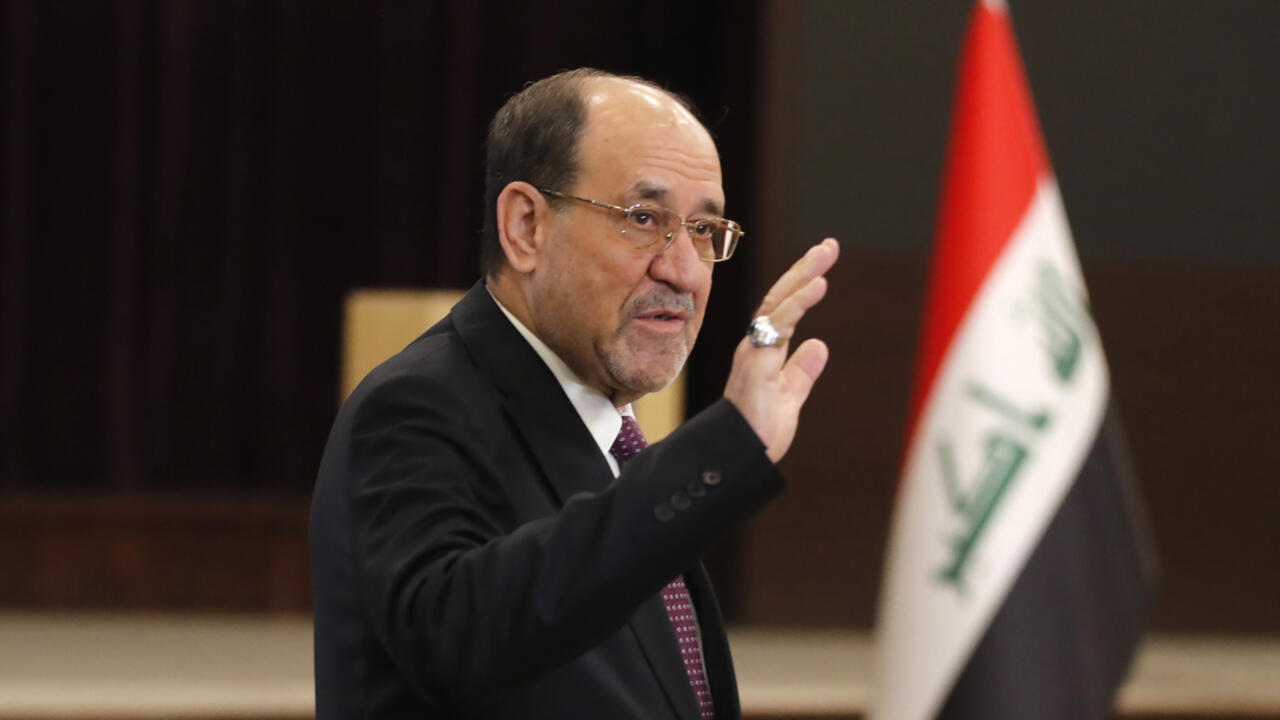
Nouri al-Maliki, the dominant figure in the Coordination Framework alliance and Iraq's frontrunner for the premiership, formally denounced what he termed "blatant American interference" after former US President Donald Trump issued a stark ultimatum regarding his potential return to power. Maliki, a two-term former prime minister, asserted on the social media platform X that the US position violates Iraq's post-2003 democratic framework.
The escalating rhetoric follows Trump’s warning that the US would withdraw all assistance to Baghdad should Maliki, whom Trump cited for his "insane policies and ideologies," assume the top governmental post. This threat immediately triggered demonstrations near the US Embassy in Baghdad, underscoring Maliki’s significant domestic support base among certain Shiite factions.
Iraq has long served as a crucial, yet volatile, geopolitical theater where successive governments have navigated the competing interests of the United States and Iran. Maliki’s potential ascendancy is particularly sensitive, given his contentious past relationship with Washington during his previous tenure (2006-2014) over perceived alignment with Tehran and sectarian policies.
Economically, the stakes are profoundly high. Iraq relies heavily on its relationship with the US, particularly concerning access to the international dollar system, which is vital for managing oil revenues. Political analysts warn that punitive US measures, including sanctions already leveraged against entities aiding Tehran in evading restrictions, could severely undermine Iraq’s nascent economic recovery and regional stability.
Sources close to the Coordination Framework indicate the governing alliance faces internal divisions over how to respond to the explicit US ultimatum. While some factions advocate maintaining the nomination to avoid appearing subservient to foreign dictates, the broader coalition must weigh this political posturing against the tangible economic risk of US reprisal.
The situation is compounded by recent diplomatic overtures from Washington, including concerns voiced by Secretary of State Marco Rubio to the outgoing Prime Minister Mohammed Shia al-Sudani. Sudani's bloc has publicly maintained that the selection of a premier is an "Iraqi affair," while simultaneously emphasizing the necessity of balanced, respectful ties with the US.
As Iraq seeks to solidify recent gains in stability after decades of conflict, this high-stakes diplomatic standoff between a powerful domestic political bloc and a major international patron places Baghdad at a critical juncture. The incoming administration will immediately be tasked with addressing Washington's core demand: the disarmament of Iran-backed paramilitary groups operating within Iraqi borders, as reported by France 24.