Ukraine is closely monitoring developments on January 30 for confirmation that Russia is abiding by a commitment, reportedly conveyed through third-party intermediaries, to temporarily suspend strikes against the country's power grid. This monitoring occurs while several regions experience one of the most severe winter cold spells in recent memory, increasing the immediate humanitarian stakes of infrastructure stability.
Russia indicated its willingness to agree to a cessation of energy infrastructure targeting, a move that could alleviate immediate civilian hardship. However, official reactions from Kyiv have been marked by caution, reflecting a history of unfulfilled security assurances from Moscow during the conflict.
Ukrainian officials stated clearly that any halt in Russian strikes is contingent upon a corresponding restraint on Ukrainian forces regarding reciprocal actions. This conditional stance emphasizes Kyiv's demand for verifiable, mutual de-escalation rather than unilateral trust in Russian declarations.
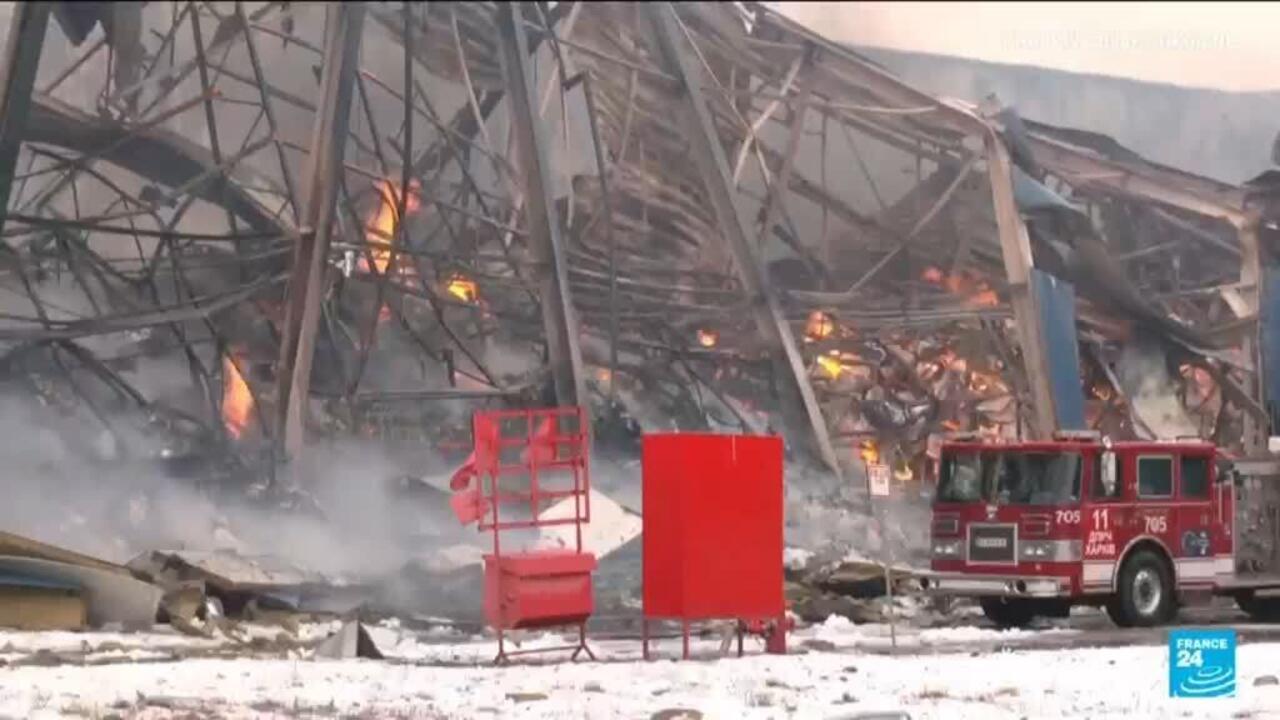
These infrastructure attacks have systematically degraded Ukraine's energy capacity, significantly impacting economic activity and civilian life throughout the winter months. The potential pause, if sustained, would represent a marginal, yet critical, reprieve for the national power sector.
Geopolitical observers note that any temporary truce around energy infrastructure often serves strategic purposes beyond immediate humanitarian concerns. Such pauses can be used to regroup military assets or influence international perceptions regarding the adherence to international norms of conflict.
Data from energy monitoring groups, cited by local authorities, indicated a sharp reduction in reported strikes overnight, though confirmation of a sustained policy shift by the Kremlin remains elusive. Verification is complicated by the decentralized nature of military operations along the front lines.
For the international community, the adherence to this reported agreement will be viewed as a key indicator of Russia’s willingness to engage in even limited, pragmatic de-escalation measures. Failure to maintain the pause will likely result in renewed calls for stronger international sanctions coordination against Moscow.
The broader implication concerns the precedent set for protecting civilian infrastructure during future conflict phases. The ability of diplomatic channels, even indirect ones, to enforce basic protections in active war zones is under intense scrutiny.