Israeli ground forces have re-entered Lebanon, marking a significant escalation in the ongoing conflict with Tehran-backed groups. This development positions the Mediterranean nation as a critical second front in the broader war against Iran. The move follows a month-long series of operations that have destabilized the region's security architecture. Military analysts warn that the expansion of ground troops could prolong the duration of the engagement significantly. Political stability in the region is currently being tested by these renewed military incursions.
Key Details
Government officials in Beirut face mounting pressure to address the security vacuum left by prolonged hostilities. Approximately 1.2 million civilians have been displaced from their homes since the intensification of fighting began. This internal displacement poses a significant challenge for humanitarian aid distribution and long-term recovery planning. The logistical burden on local infrastructure may hamper economic recovery efforts for years to come.
United Nations peacekeeping missions have suffered casualties during the recent clashes between state and non-state actors. Several peacekeepers were reported killed or injured while attempting to maintain neutrality in the conflict zone. These losses highlight the dangers faced by international observers in high-intensity warfare environments. The safety of multinational forces remains a primary concern for international diplomatic bodies.
Historical precedents suggest this conflict follows a pattern of regional powers utilizing Lebanon as a proxy battleground. The nation endured a brutal civil war decades ago and recently faced the catastrophic 2020 port explosion. Previous Israeli operations in 2024 aimed to neutralize Hezbollah capabilities but failed to secure lasting stability. The recurrence of violence suggests deep-seated structural issues within the national security framework.
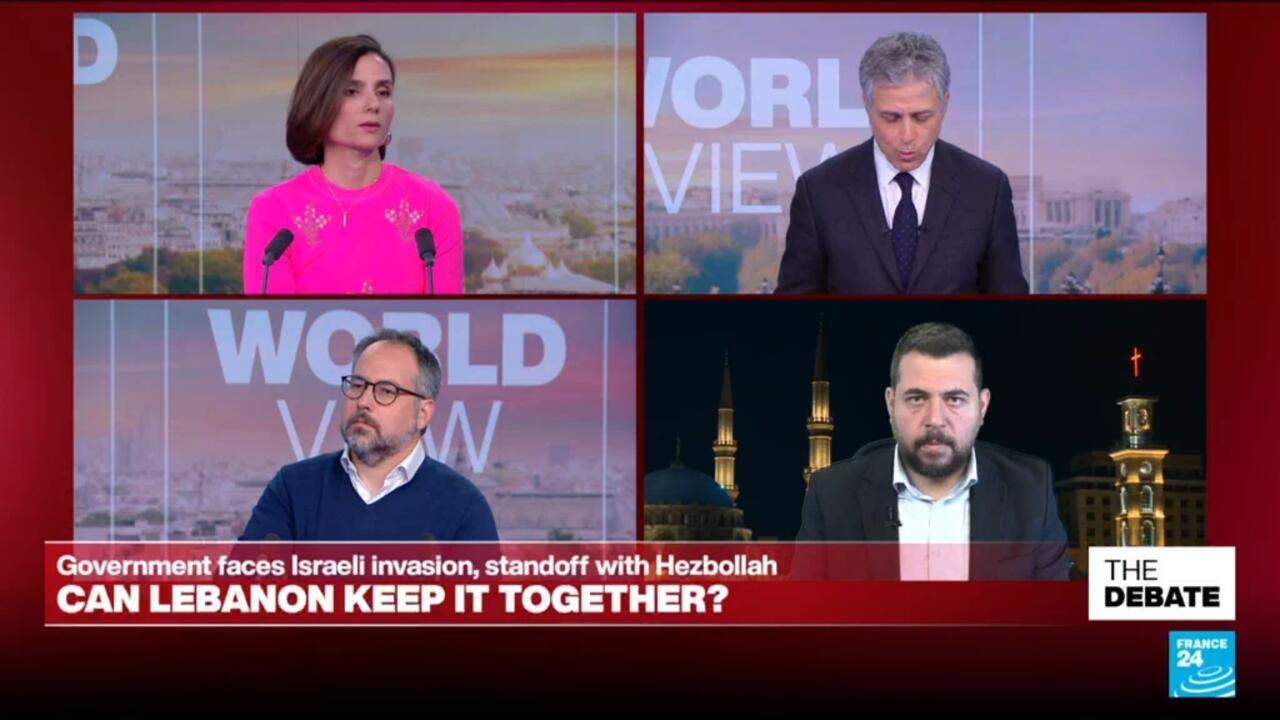
Analysts question whether the Lebanese government can maintain sovereignty against armed factions operating as laws unto themselves. For over half a century, local militias have often acted independently of central state authority. Breaking this cycle requires significant political will and regional diplomatic intervention. The persistence of parallel power structures undermines the legitimacy of the central administration.
"The Lebanese have seen it all, from civil war to the 2019 protests demanding an end to revolving door politics," France24 reported.
What This Means
A younger generation of Lebanese citizens is pushing for reforms beyond traditional clan and confession-based politics. Their efforts to transcend sectarian divides may determine the country's ability to rebuild after the conflict. Success depends largely on whether these groups can influence the post-war political landscape. Demographic shifts could alter the traditional balance of power within the parliament.
Regional powers remain decisive factors in determining the outcome of the current military engagement. External support and funding continue to fuel the duration and intensity of the fighting. The stability of the Middle East hinges on how these actors manage their strategic interests. Neighboring states are increasingly concerned about the spillover effects of the instability.
Global markets will likely react to any further expansion of the war into neighboring territories. Oil prices and regional supply chains remain vulnerable to disruptions in the eastern Mediterranean. Investors are watching closely for signs of de-escalation or prolonged regional instability. The economic impact could ripple through global energy sectors and shipping lanes. Inflationary pressures in import-dependent nations may worsen if energy costs remain elevated.
Future developments will depend on the diplomatic efforts of major powers to contain the spread of violence. Without a clear political roadmap, the risk of a prolonged humanitarian crisis remains high. The situation requires immediate attention from international security councils. Continued dialogue between the involved parties is essential to prevent further regional degradation.