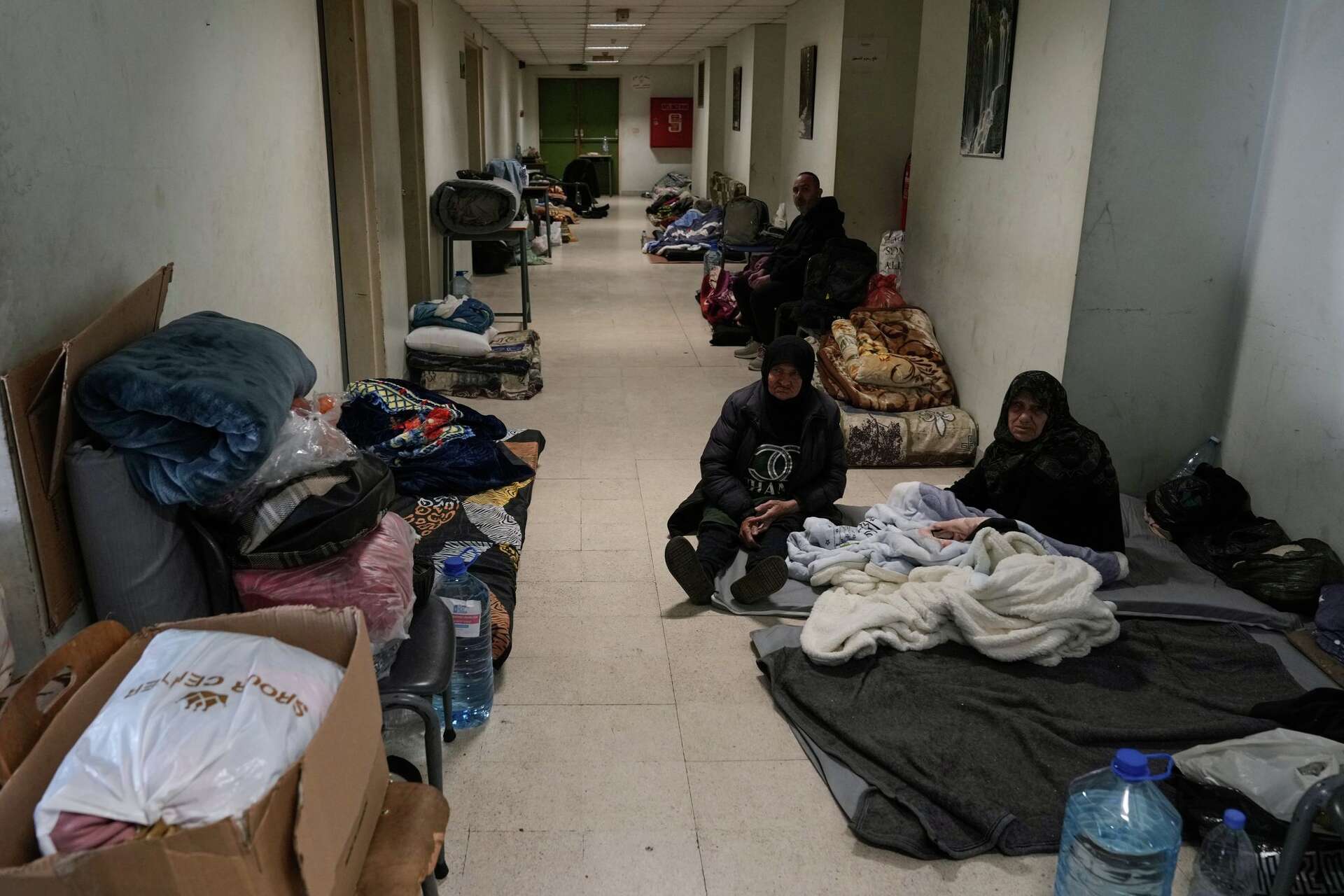
Israeli military operations across Lebanon have triggered a massive humanitarian crisis, with authorities reporting that nearly 1.2 million people have been forced to flee their homes since March 2. The escalation, which includes a deepening ground invasion and widespread aerial bombardment, has left more than 1,450 people dead, including 126 children, according to Lebanese government figures. An additional 4,400 individuals have been wounded.
In a recent strike on southern Beirut, at least 15 people were killed and 39 others wounded, France 24 reported on Sunday. This follows a string of attacks in the Jabal Amel region, where infrastructure including bridges has been targeted. Observers warn that the destruction of transport routes is isolating the south, effectively cutting off 150,000 people from humanitarian aid.
“We are seeing a re-emergence of tactics used in the 2006 war, particularly the targeting of transport infrastructure to isolate the south,” said Elie Yaacoub, head of the Mercy Corps’ Lebanon Crisis Analysis Team. “The difference today is the scale of need and the fragility of systems already under strain, which makes the humanitarian consequences even more severe.”
In Kfar Hatta, an Israeli strike killed seven people, including a four-year-old girl and a Lebanese soldier, despite the area being a destination for those already displaced. Other recent attacks include a raid on a car in Kfar Rumman that killed four people and a strike near Ghandour Hospital in Nabatieh al-Fawqa. In Toul, a couple was killed, leaving their two children, aged 15 and nine, injured.
A Nation in Transit
The scale of displacement has overwhelmed the country’s shelter capacity. Many families, like that of 49-year-old Aymane Malli, have taken refuge in schools or public buildings. Malli, who fled Habbouch with his wife and five children, told Al Jazeera, “It’s very difficult. But for me, it’s OK because I have to survive. I have to take care of my family.” When asked about the future, he added, “We wait. Maybe one day everything will end, and we can return home … if we can return home. We don’t have another choice.”
Lebanese President Joseph Aoun has issued urgent calls for negotiations to prevent further destruction. “Why don’t we negotiate … until we can at least save the homes that have not yet been destroyed?” he asked during a televised address on Sunday. The conflict stems from a cycle of violence that intensified after Hezbollah launched rocket barrages in response to a joint US-Israeli war on Iran, which included the February 28 killing of Iranian Supreme Leader Ayatollah Ali Khamenei.
While the current displacement figure stands at 1.2 million, previous records indicate that 899,725 people were forcibly displaced between October 2023 and November 2024. Most of those families had returned to their villages by last October, only to be forced to flee again. The World Bank previously estimated that 99,000 homes were damaged or destroyed during that 14-month period, with residential damages totaling approximately $2.8 billion. As the military expands evacuation orders—now reaching as far as 40km north of the Israeli border—the humanitarian situation continues to deteriorate.