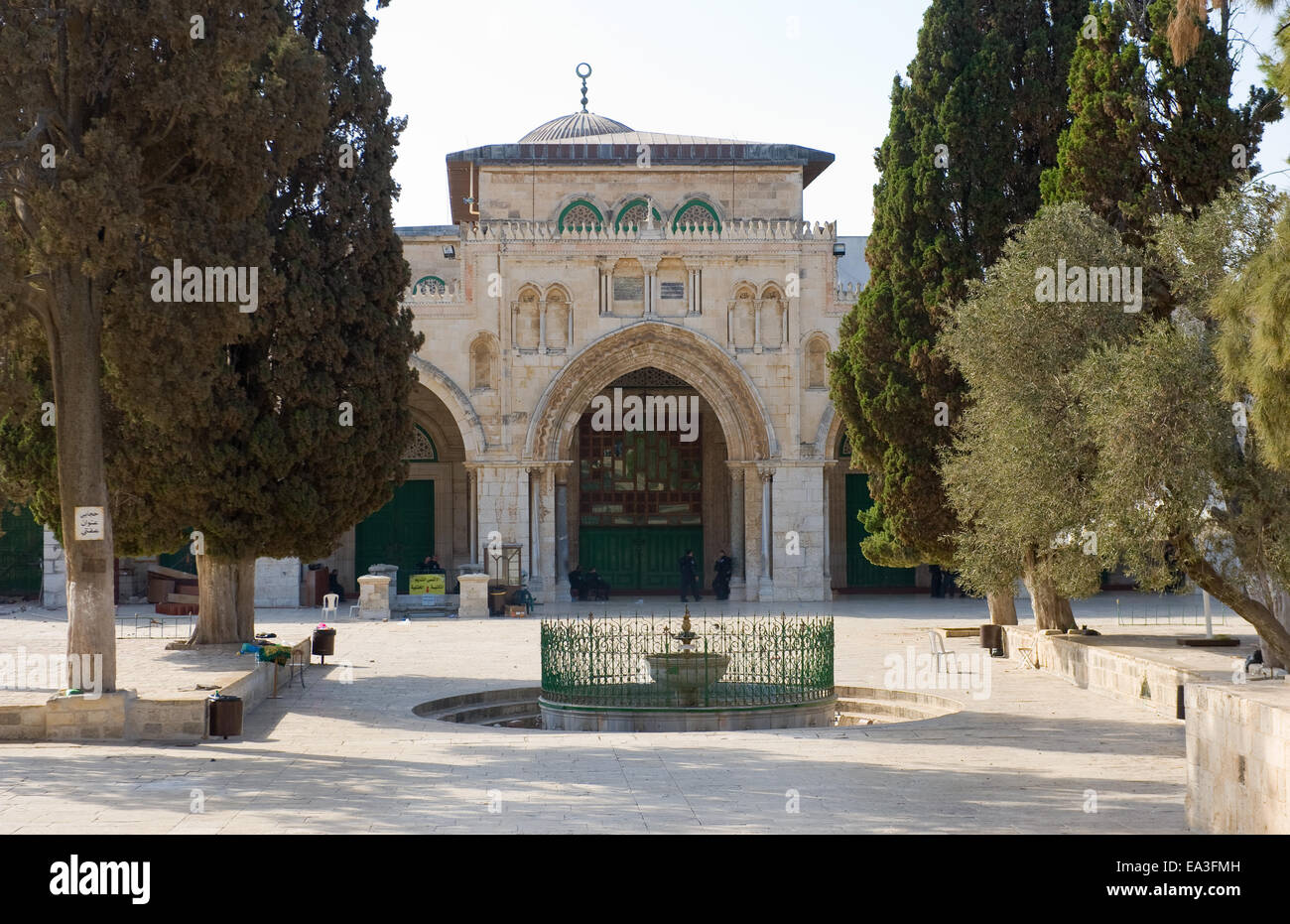
Israeli authorities have blocked Muslim access to the Al-Aqsa Mosque compound for more than 30 consecutive days. While the site remains shuttered to the Muslim public, Israeli government ministers and groups of settlers continue to enter the holy site under heavy police protection.
Human rights organizations are now labeling the policy as both selective and discriminatory. Critics argue the restrictions represent a calculated effort to alter the long-standing management of the compound.
Shifting control at the compound
The Al-Aqsa compound, known to Jews as the Temple Mount, has long been a flashpoint for conflict. Currently, the site’s status quo is being tested by policies that prioritize access for specific groups while barring the broader Muslim population.
Rights groups monitoring the situation claim the closure is not a security-based necessity but a political tool. By restricting Muslim worshippers while allowing settlers and officials inside, the state is effectively reshaping its control over the contested area.
Local observers have noted that police presence inside the compound has intensified during this period. The ongoing exclusion of worshippers has prevented daily prayers and limited the mosque's role as a center for the Muslim community in Jerusalem.
There has been no official timeline provided by the Israeli government for reopening the gates to the public. As the closure stretches into its second month, tensions surrounding the site continue to mount among local residents and religious authorities.