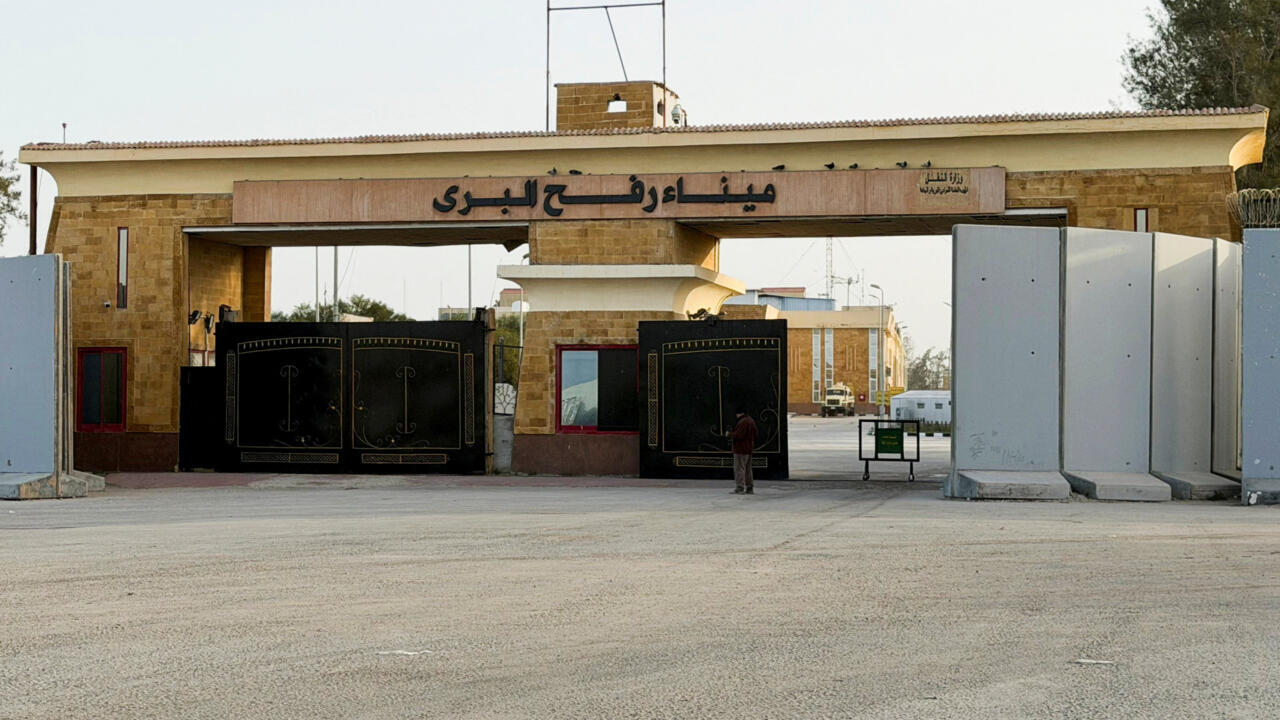
Israeli Prime Minister Benjamin Netanyahu announced that the Rafah border crossing into Egypt will reopen shortly, indicating progress within the framework of the second phase of the ongoing Israel-Hamas ceasefire negotiations. This crossing represents the primary gateway for Gazans to the outside world, which has been largely closed since Israeli forces took control of the facility in May 2024.
Reports indicate that the resumption of activity at Rafah is contingent upon the implementation of the broader truce agreement, which includes the phased release of hostages held by Hamas. The closure has severely restricted the flow of essential goods and delayed the evacuation of critically ill residents requiring specialized care outside the besieged territory.
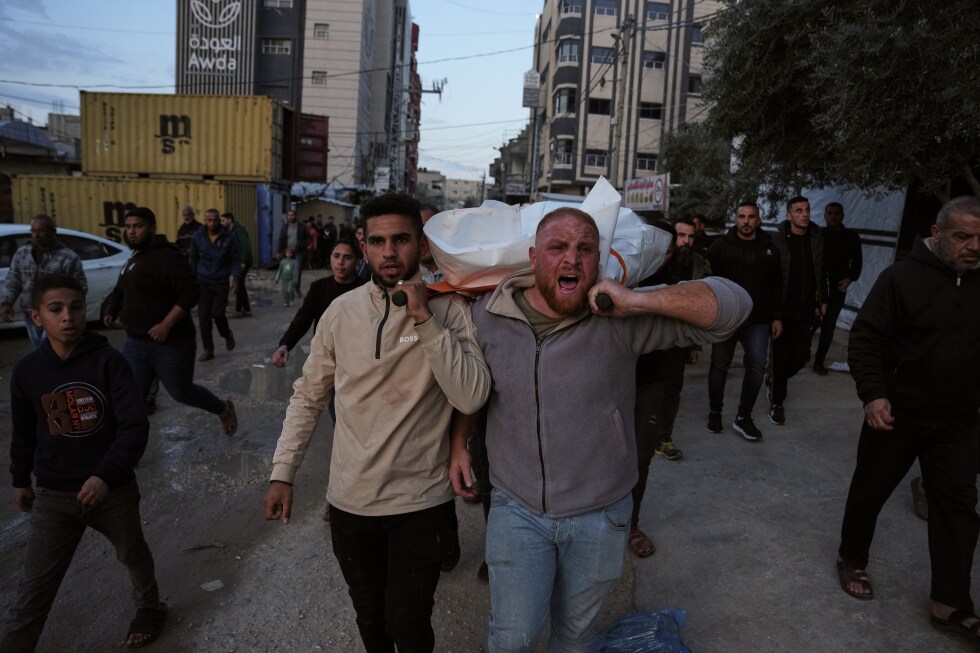
Thousands of Palestinians wounded during the conflict have been awaiting passage to receive advanced medical treatment in neighboring countries. For those Palestinian nationals currently stranded abroad, the reopening is also crucial for their ability to return home to Gaza, according to reports citing regional officials.
Data from aid organizations prior to the closure showed that the Rafah crossing handled the majority of civilian movements and significant volumes of humanitarian imports. Its sustained closure has exacerbated the humanitarian crisis inside the Gaza Strip, straining existing aid corridors.
Geopolitically, the functionality of the Rafah crossing remains a key point of contention between Israel and Egypt, given security concerns and the strategic importance of the border area. International mediators continue to press for robust mechanisms to ensure the crossing operates efficiently for civilian and aid purposes.
Netanyahu’s statement signals a potential de-escalation point in the current phase of negotiations, linking operational infrastructure with security and political milestones. The precise timeline for the reopening, however, remains subject to the finalization of the phased agreement details.
Global economic observers are monitoring the situation closely, as disruptions to border management directly impact regional stability and supply chain reliability in the Levant. The sustained flow of aid through functioning crossings is necessary to prevent further economic collapse in the area.