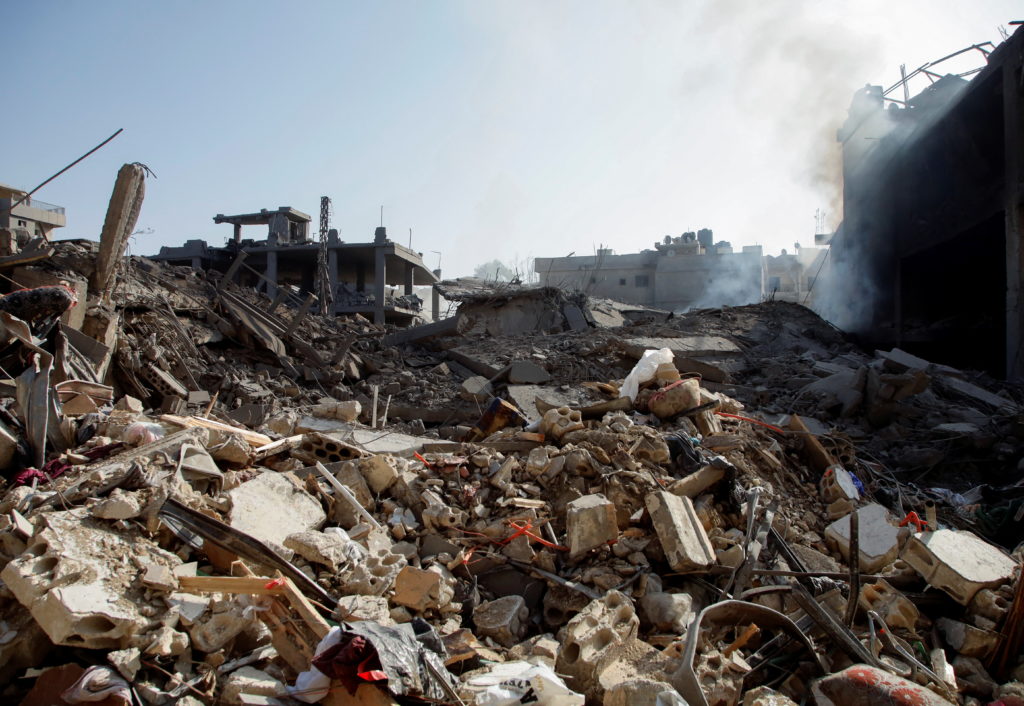
Israeli warplanes launched a massive, simultaneous wave of airstrikes across several Lebanese regions on Wednesday, marking a significant escalation in regional hostilities. According to Al Jazeera, the strikes involved at least 100 air raids within a 10-minute window, hitting Beirut, its suburbs, the south of the country, and the eastern Bekaa Valley. The Lebanese Ministry of Health reported that the attacks resulted in at least 254 deaths and more than 1,160 injuries, with officials warning that the toll is likely to rise as rescue operations continue.
In response to the casualties, the Lebanese Prime Minister’s office declared Thursday a national day of mourning. The government ordered all public administrations to close and directed that national flags be flown at half-mast.
Israeli Defense Minister Israel Katz confirmed the military executed a surprise operation targeting hundreds of Hezbollah members throughout Lebanon. Katz described the offensive as the largest strike against the Iran-backed group since the widespread pager explosions recorded in 2024. Al Jazeera reported that the strikes were carried out without warning, causing widespread panic in central Beirut.
Diplomacy in conflict
The military action follows a ceasefire agreement between Tehran and Washington, which Israel and the United States claim does not apply to Lebanon. U.S. President Donald Trump clarified the exclusion in remarks to PBS, labeling the fighting in Lebanon a "separate skirmish," while Israeli Prime Minister Benjamin Netanyahu asserted that the truce "does not include Lebanon," according to Al Jazeera. Analysts suggest Netanyahu is attempting to "maximize operational achievements" in the region while the situation remains fluid.
However, the interpretation of the truce remains a point of intense diplomatic friction. Pakistani Prime Minister Shehbaz Sharif, who has served as a mediator in the conflict, insists the ceasefire agreement applies "everywhere, including Lebanon."
Lebanese President Joseph Aoun welcomed the two-week truce between Tehran and Washington but demanded that regional peace efforts must include his country. Meanwhile, Iranian President Masud Pezeshkian emphasized that a ceasefire in Lebanon is a fundamental condition of his government’s 10-point plan to end the broader conflict in the Middle East, according to the Isna news agency.
The strikes represent a volatile turn in the regional security landscape. While Washington and Tehran have moved to stabilize their direct confrontation, the status of the Lebanon-Israel front remains contested, with both sides citing conflicting mandates regarding the reach of the recent truce.