The arrival of the USS Abraham Lincoln carrier strike group within the US Central Command's area of responsibility signals an escalation in geopolitical tension between Washington and Tehran, reported the BBC. This military positioning coincides with the most extensive internal crackdown on protests in Iran recently seen, underscoring the proximity to a direct military confrontation not observed in recent years.
Iranian leadership confronts extreme internal pressure from a protest movement demanding regime change, compounded by the deliberately opaque intentions of the US administration. Consequently, any military strike by the US carries an amplified risk of rapid escalation, affecting both the broader region and domestic stability inside Iran.
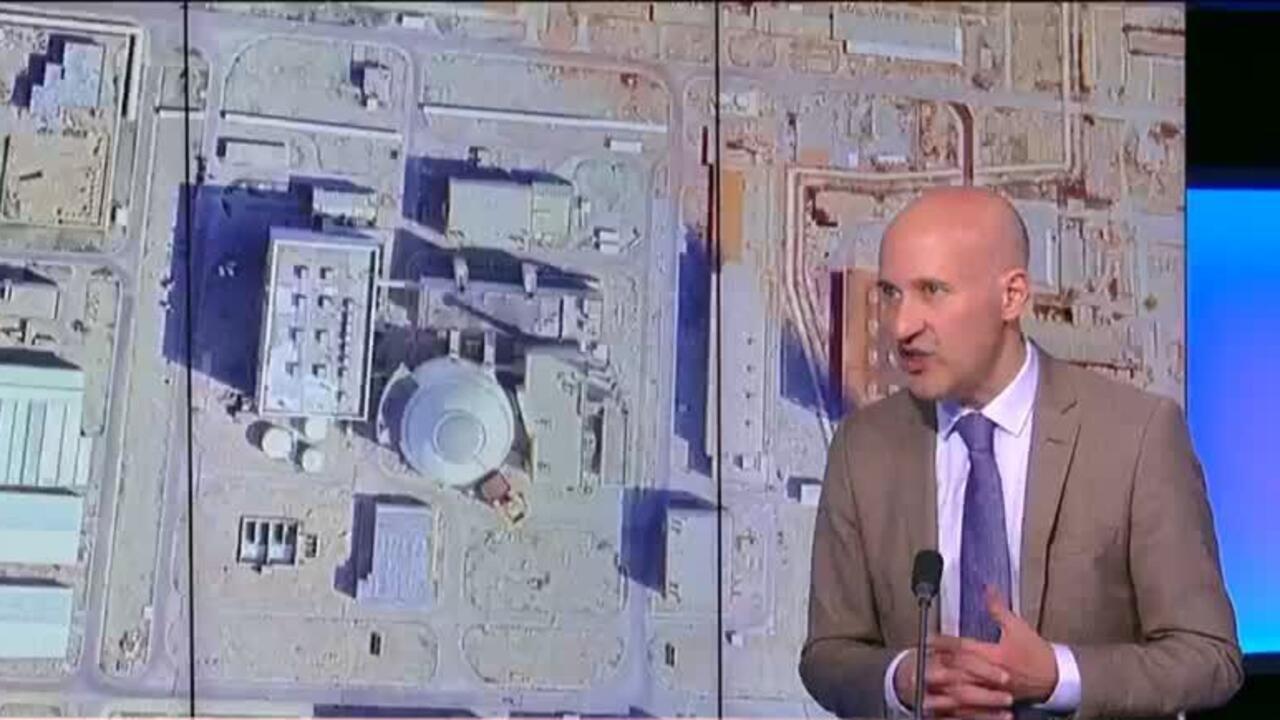
Historically, Tehran favored delayed and limited retaliation, as seen following US strikes on nuclear facilities in June 2025, when Iran responded with a missile attack on Al Udeid Air Base that reportedly allowed for interception. A similar measured response occurred in January 2020 after the US assassination of Qassem Soleimani, where the attack on Ain al-Asad airbase provided advance warning, according to reports.
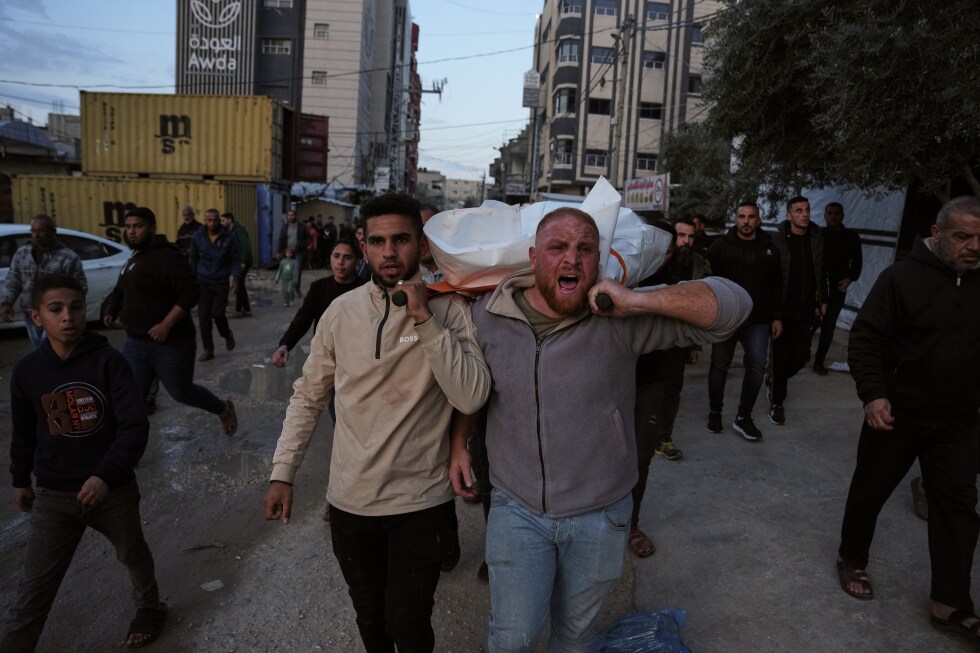
The current situation is markedly different, as Iran is reeling from severe domestic unrest since late December, met with a violent suppression resulting in thousands of casualties, injuries, and detentions, per human rights organizations. The sustained internet blackout prevents independent verification of the exact toll, while Iranian authorities blame external actors like Israel for fomenting the unrest.
The diminished but persistent protests, following security forces briefly losing control in several urban areas, have deeply unsettled the ruling system. The current imposed calm remains highly combustible, meaning the nature of any US strike is now critical to preventing further radicalization or chaos.
A limited US attack might offer Washington a political win but risks providing Iranian authorities a pretext for intensified internal repression, potentially leading to mass arrests and harsher sentencing for detainees. Conversely, a broader campaign crippling the state could precipitate prolonged instability across a nation of over 90 million people, experts caution.
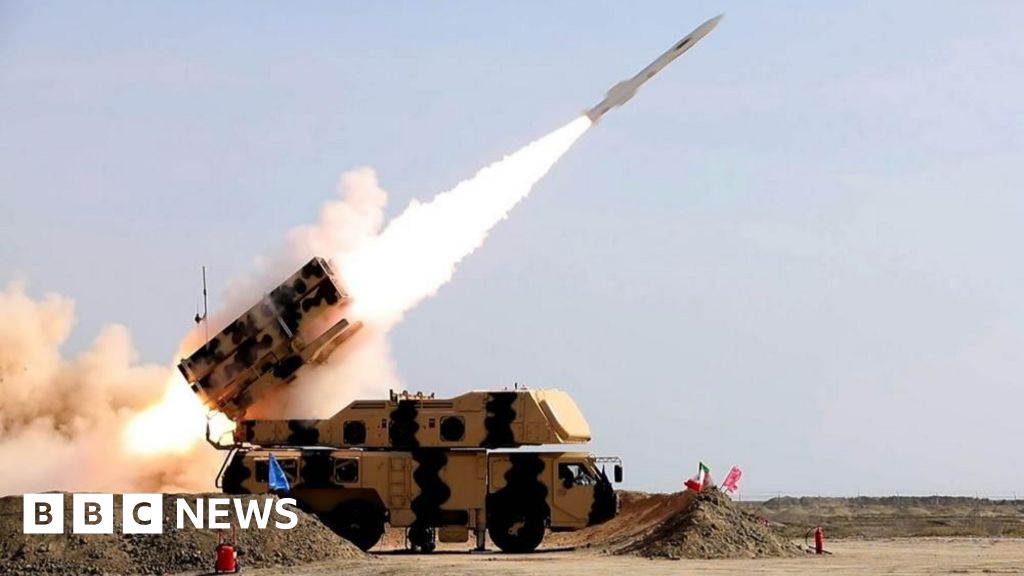
Senior Iranian military and political officials have issued warnings that any US attack, regardless of scale, will be treated as an act of war, unsettling Gulf states hosting US forces. This heightens the immediate risk to regional actors should a rapid Iranian response occur, potentially spreading conflict beyond the immediate belligerents.
Both Washington and Tehran recognize mutual limitations: the US is aware of Iran's diminished military strength post-last summer's conflict, while Tehran understands the US President's reluctance for an open-ended war. However, according to the BBC analysis, this mutual awareness risks dangerous miscalculation, as previous models of delayed, symbolic retaliation may prove insufficient for reasserting deterrence internally.