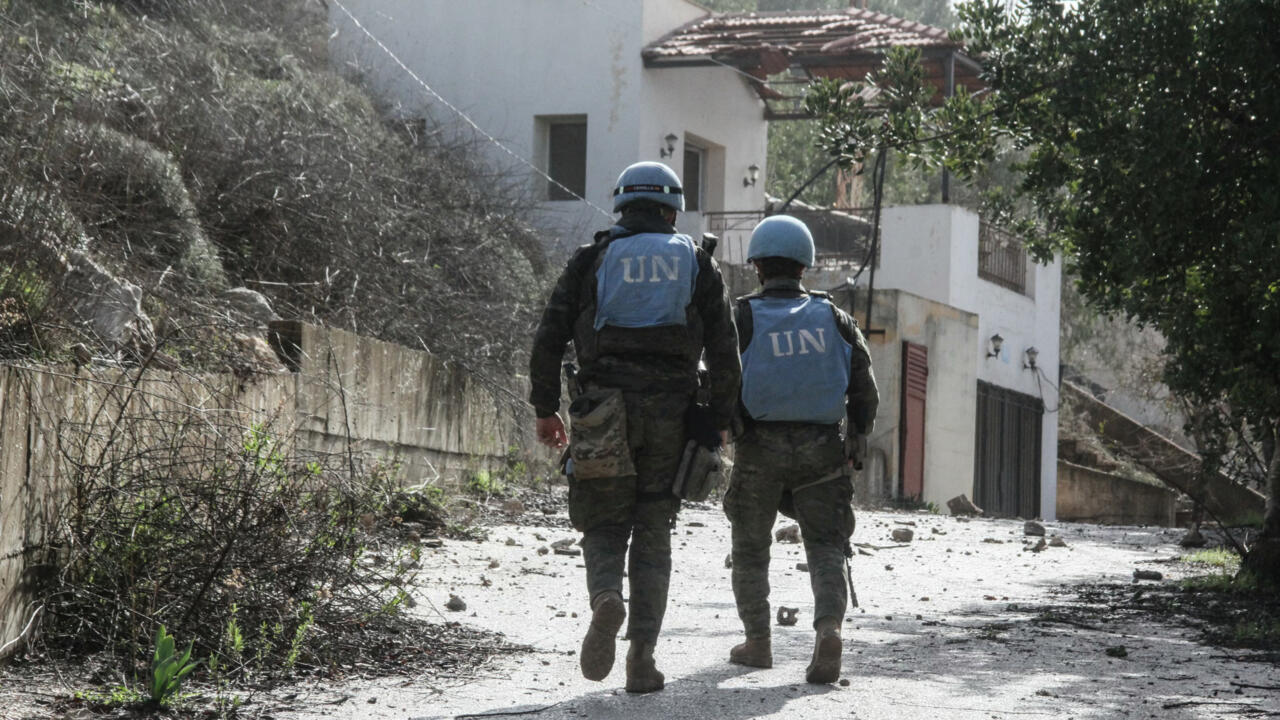
Iranian missile launches triggered air raid sirens across northern Israel on March 30, 2026, causing significant structural damage to residential areas in the Galilee region. The incident marks a significant escalation in regional hostilities, prompting immediate emergency responses and strong international condemnation from world leaders and diplomatic bodies. Global financial markets reacted swiftly to the news, highlighting the inherent volatility associated with instability in the Middle East region and its impact on international trade.
Missile debris from the Iranian launches struck parts of central and northern Israel, damaging multiple areas according to local reports released by emergency services. Emergency services mobilized immediately to assess structural integrity and ensure public safety following the impact of the falling munitions on civilian infrastructure and homes. Authorities confirmed that while casualties were not immediately reported, the physical damage required urgent attention from civil defense units and local municipalities across the zone.
This event represents a continuation of the ongoing friction between Tehran and Tel Aviv, which has intensified significantly over the past twelve months of heightened tension. Previous exchanges involved drone strikes and cyberattacks, but this direct missile deployment signals a shift in operational tactics and risk tolerance by the Iranian military command. Analysts suggest the move was intended to demonstrate military capability rather than achieve strategic territorial gains in the immediate term or alter the strategic balance.
Regional Response
Regional leaders convened in Jeddah to address the situation, with Saudi Arabia, Qatar, and Jordan condemning the attacks publicly during a high-level summit meeting. The summit highlighted a unified front among Arab nations against the escalation, despite varying diplomatic relations with Israel in the past decade and complex regional alliances. Diplomats emphasized the urgent need for de-escalation to prevent a broader regional war that could engulf neighboring states and destabilize the entire Gulf region.
Economic Implications
Economic concerns emerged alongside the security crisis, with Kuwait warning of a potential oil spill after a fire broke out on a tanker in Dubai port. This development threatens to disrupt global energy supplies, which are already sensitive to geopolitical shocks in the Persian Gulf and Red Sea shipping lanes. Investors are closely monitoring the situation for any impact on crude oil prices and shipping routes through the strategic Strait of Hormuz and global supply chains.
The United States has historically maintained a complex relationship with Iran, often mediating tensions in the region through diplomatic channels and economic sanctions. Current diplomatic channels appear strained, with reports suggesting heightened military readiness among American forces stationed in the area to protect allies and interests. The administration faces significant pressure to respond without triggering a wider conflict involving multiple state actors and proxy groups in the volatile region.
Future developments will depend on whether Iran escalates further or if diplomatic efforts succeed in stabilizing the volatile situation before it widens into a larger war. Markets remain volatile as traders assess the risk of prolonged conflict in the Middle East affecting global trade flows and energy logistics for the coming quarter. Observers will watch for official statements from Tehran and Tel Aviv in the coming days to gauge the trajectory of the crisis and potential military responses.
Al Jazeera confirmed the timing of the attack, noting that sirens sounded across the northern region shortly after the launch was detected by radar systems and defense networks. The news agency cited local emergency officials who described the extent of the debris field and subsequent fires burning in the vicinity of populated zones and infrastructure. "Homes damaged as Iranian missiles trigger sirens across northern Israel," Al Jazeera reported on March 30. This reporting aligns with earlier warnings from regional security agencies regarding potential Iranian retaliation against Israeli infrastructure and military targets in the north.