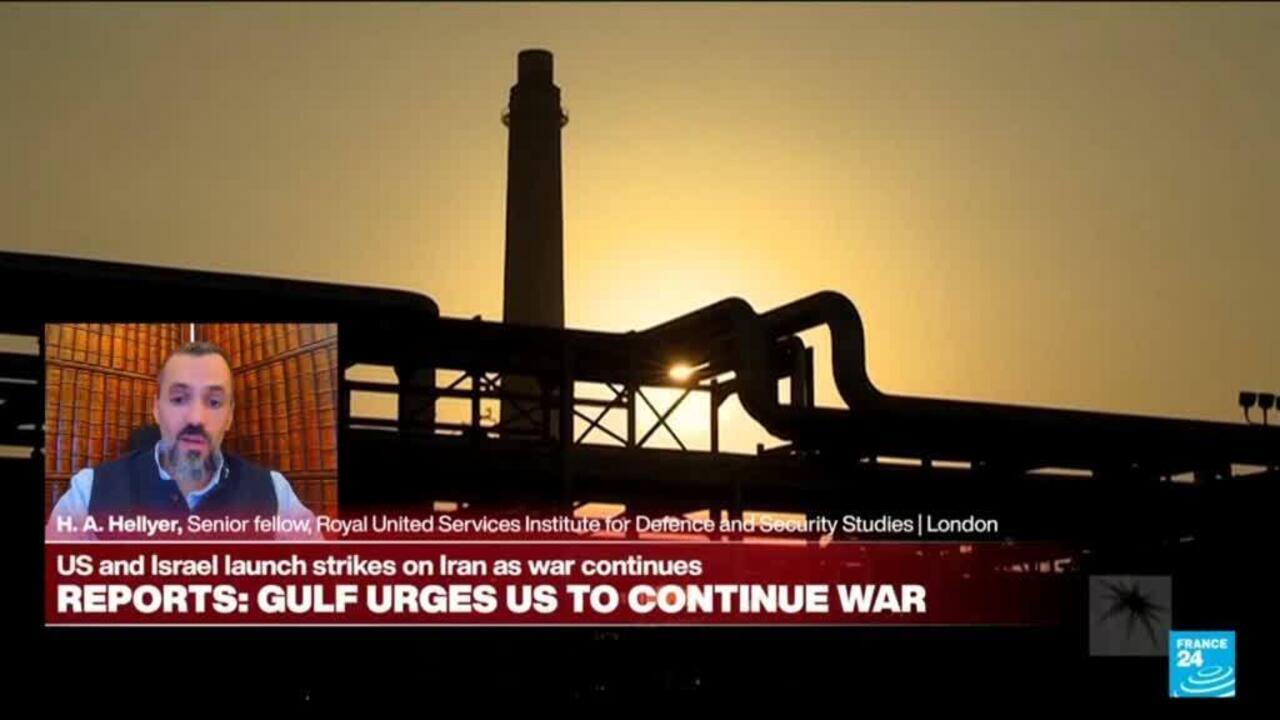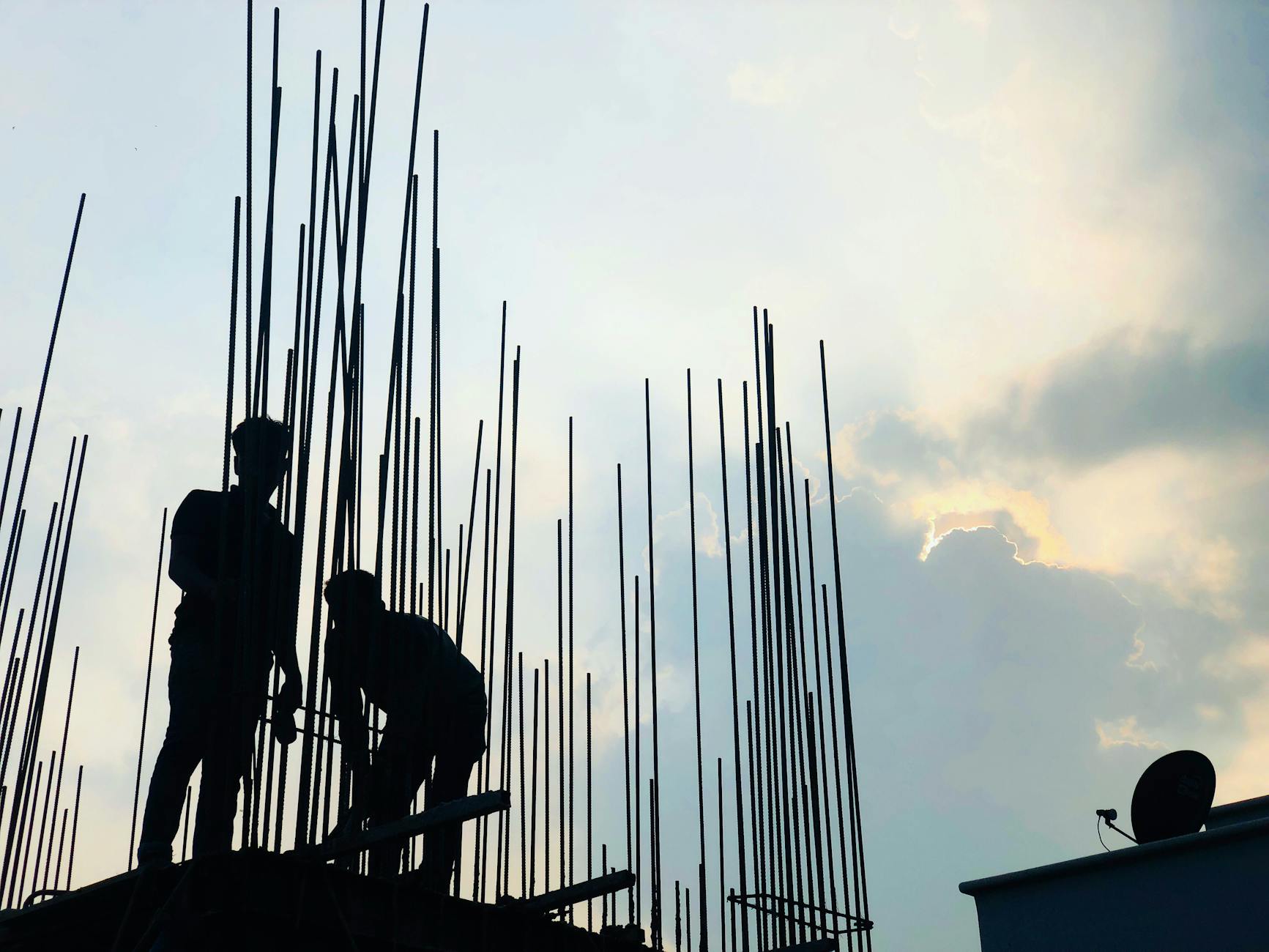
Escalating conflict between Iran and Israel has placed millions of Asian migrant workers in the Gulf at severe risk. Missile strikes on commercial infrastructure and military bases have disrupted daily life across Qatar, the United Arab Emirates, and Kuwait. 24 million migrants reside in the region, making it the world's top destination for overseas labor according to the International Labour Organisation.
Key Details
At least 12 South Asian workers have died since the war began, including a Nepali security guard and a Bangladeshi supplier. Mary Ann Veolasquez, a Filipino caregiver, was injured while protecting a patient during a ballistic missile attack in Tel Aviv. Families in Dhaka and Manila report losing breadwinners who were sending crucial funds home.
Remittances from these nations account for approximately 10% of the Philippine economy and support millions in Bangladesh. Domestic workers in Qatar earn a minimum wage of $500 a month, roughly four times their earnings at home. This financial incentive keeps many workers in harm's way despite the growing danger.
Norma Tactacon, a 49-year-old maid in Qatar, says she prays for safety while sirens blare outside her apartment. She plans to use her savings to fund her children's education and support her husband in the Philippines. Tactacon worries the conflict will end her financial security before she secures her family's future.
"I get scared and nervous every time I see pictures and videos of missiles in the air," she told the BBC.
Asian governments are scrambling to bring workers home, but missile threats have disrupted air travel. The last repatriation flight moved 234 Filipino workers by land to Saudi Arabia before they could fly to Manila. Nearly 2,000 Filipinos and dependents were flown back as of March 23.
What This Means
Some migrants cannot leave because their home countries face worse instability. Su Su, an operations specialist from Myanmar, fled a bloody civil war in 2021 to find safety in Dubai. She keeps an emergency bag ready despite the relative calm compared to her previous experience.
The uncertainty surrounding the region's stability threatens long-term labor agreements between Asian and Gulf nations. Employers face a potential shortage of workers if confidence does not return to the construction and domestic sectors. Economic analysts warn that prolonged conflict could permanently alter migration patterns for the next decade.
Families back home now face a difficult choice between financial survival and physical safety. While some workers have returned, many remain trapped by debt and the need to support aging parents. The situation highlights the fragility of global labor markets during times of geopolitical tension.