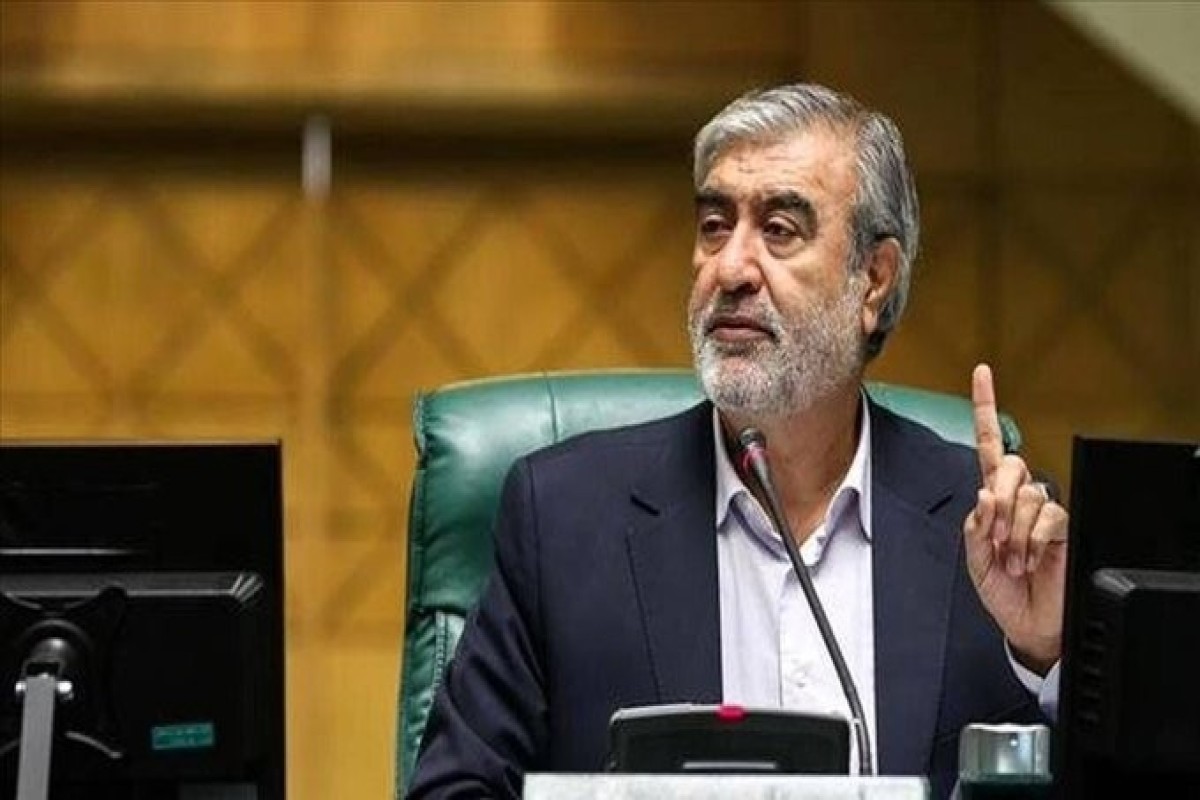
Tehran issued a stark warning to Kyiv regarding its military assistance to Jerusalem. Iranian lawmakers claim that supplying unmanned aerial vehicles effectively draws Ukraine into the ongoing regional conflict. This statement marks a significant escalation in rhetoric from the Islamic Republic regarding the war in Eastern Europe.
Ibrahim Azizi, the head of the National Security Commission at the Iranian Parliament, made the announcement on social media. He cited reports from the United Nations Network for News regarding the specific nature of the military aid. The platform X served as the primary venue for disseminating this new diplomatic threat to the West.
Azizi argued that Kyiv has turned its entire territory into a legitimate target under international law. The official specifically referenced Article 51 of the United Nations Charter to justify potential countermeasures. This legal interpretation suggests self-defense rights against nations supporting adversaries in the Middle East.
Ukraine has reportedly provided unmanned systems to Israel for use in the Middle East conflict. Previous reports indicated transfers of Skystrider and Harop drones to the Jewish state for defensive operations. Such cooperation complicates the strategic alignment between European nations and the United States.
Tehran has maintained a close relationship with Moscow throughout the conflict between Russia and Ukraine. Iranian drones currently supply the Russian military for use against Ukrainian positions. This reciprocal support structure creates a complex web of military dependencies across Eurasia.
Legal scholars question the validity of targeting civilian infrastructure under the guise of self-defense. International law generally prohibits direct attacks on sovereign territory without a declaration of war. The ambiguity of Azizi's statement leaves room for interpretation by diplomatic observers.
Regional stability remains a primary concern for security analysts monitoring the broader conflict. An open confrontation between Iran and Ukraine could expand the war into the Middle East permanently. This potential expansion poses risks to global energy markets and supply chains.
Economic sanctions on both Tehran and Moscow influence the capacity for military operations. Financial restrictions limit the ability of these nations to acquire advanced technology components. Consequently, the conflict relies heavily on domestic production and third-party suppliers.
Kyiv has not issued an immediate public response to the specific threats made on X. Western allies typically monitor such rhetoric to assess the likelihood of kinetic retaliation. Silence from government officials may indicate a desire to avoid further escalation at this time.
Observers will watch for subsequent statements from the Iranian Foreign Ministry regarding this matter. The situation requires close monitoring to prevent miscalculation or unintended conflict. Future developments could reshape the diplomatic framework of the European security architecture.