Tehran has declared it will irreversibly destroy essential infrastructure across the Middle East if the United States proceeds with attacks on its power plants. Iranian officials issued this stark warning on Sunday following a threat from President Donald Trump to obliterate Iranian energy sites. The statement comes as the conflict enters its fourth week with no immediate resolution in sight and tensions reaching critical levels globally among allies.
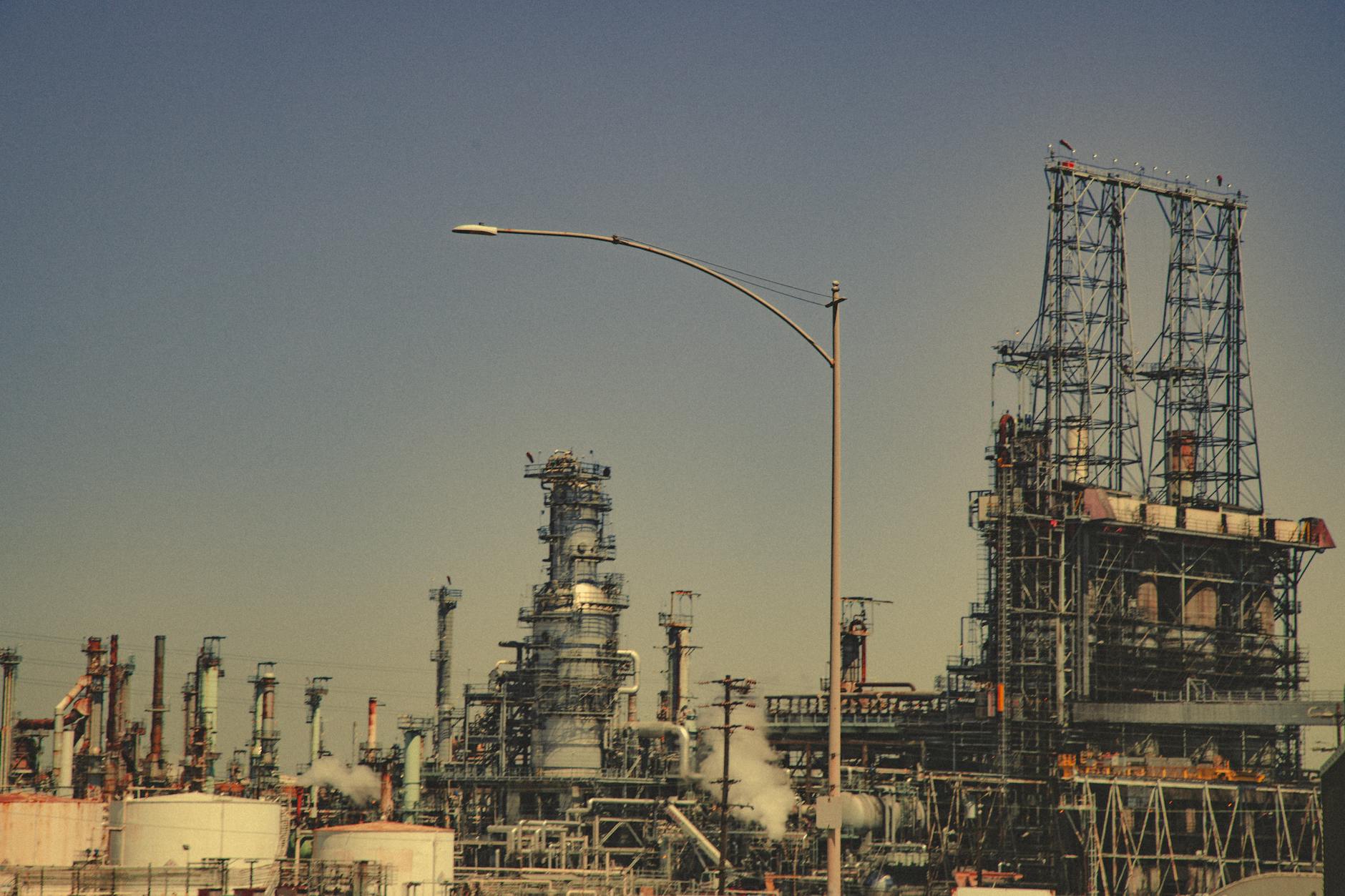
Mohammad Bagher Ghalibaf, the speaker of the Iranian parliament, identified desalination and energy facilities as legitimate targets for retaliation against the United States. He stated that vital infrastructure in the region would face destruction if Tehran’s own systems were struck by American forces or allied nations. This declaration expands the scope of potential retaliation beyond military installations to include civilian support systems relied upon by millions of people.
The crisis has severely impacted global energy markets since Iran effectively closed the Strait of Hormuz to vessels linked to its enemies and their economic partners. European gas prices surged by as much as 35% last week as the narrow waterway carries about 20% of global oil supplies. Only a small fraction of shipping, estimated at five percent of prewar volume, has been permitted to transit the strategic route through the Persian Gulf without interference.
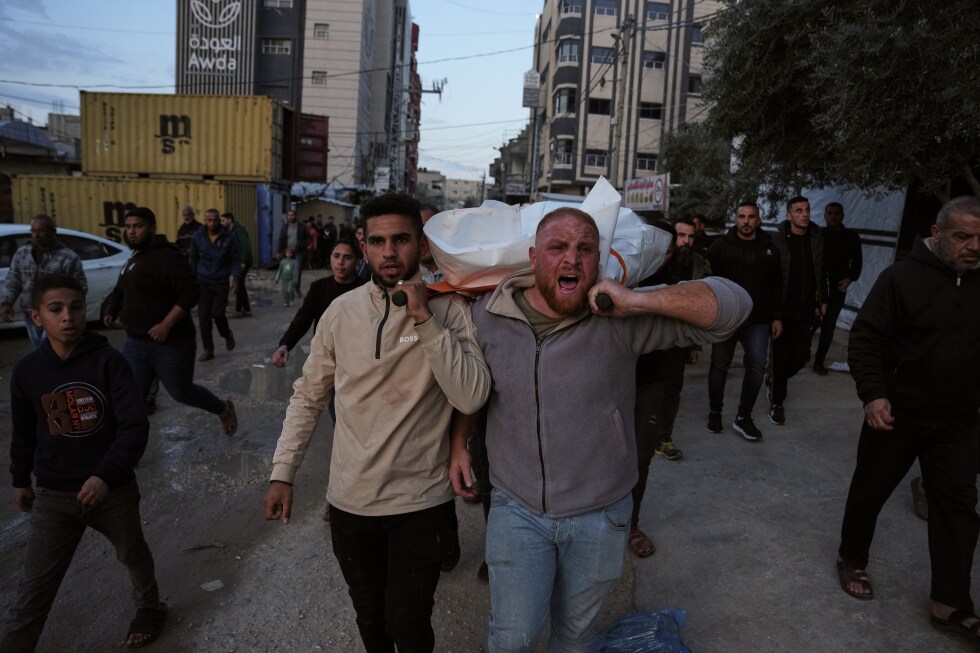
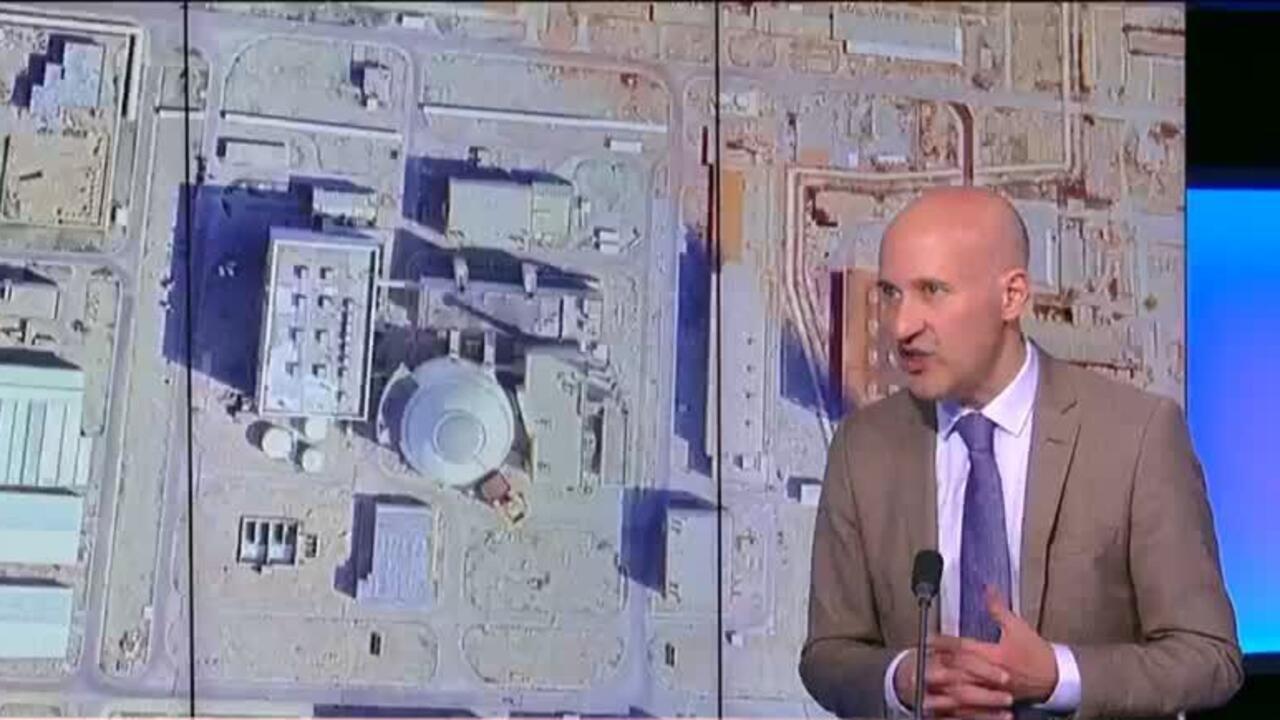
Military exchanges intensified overnight as Iranian missiles struck two southern Israeli cities, injuring dozens of people across the region including vulnerable children. Tehran deployed long-range missiles for the first time, targeting locations near Israel’s nuclear center in the Negev desert. The Israeli military reported intercepting some weapons but admitted failure to stop the strikes on Arad and Dimona effectively during the early hours.
President Trump gave Iran a 48-hour ultimatum on Saturday to fully open the strait or face obliteration of its power plants starting with the biggest one first. US Ambassador to the UN Mike Waltz defended the threat, insisting the Islamic Revolutionary Guard Corps controls much of the infrastructure. He noted the president would target the largest power plant first without specifying the exact location publicly to maintain operational advantage.
Israeli Prime Minister Benjamin Netanyahu vowed to strike Tehran in retaliation for the recent attacks on his country and its civilian population centers directly. He described the Iranian leadership as a criminal gang and promised to target their economic assets and military installations personally. The Israeli army indicated it would actively pursue senior commanders from the Revolutionary Guard to dismantle their command structure entirely.
Amnesty International warned that attacks on systems providing essential services could amount to war crimes under international law due to widespread civilian harm. The organization highlighted the risk of vast, predictable, and devastating civilian harm from such widespread infrastructure destruction. The World Health Organization also described the situation as a perilous stage for public health and environmental safety.
Regional violence has expanded beyond the direct Iran-Israel confrontation into Lebanon and the West Bank with increased intensity and frequency daily. Hezbollah fighters were killed during an Israeli raid in southern Lebanon while settlers injured Palestinians in the occupied territories. Saudi Arabia and the UAE reported missile detections over their territories during the broader escalation affecting the Gulf states significantly.
Financial markets face significant uncertainty with analysts predicting a black Monday of plunging stocks and surging energy prices globally across exchanges. The 48-hour ticking timebomb has placed elevated risk over energy and financial sectors globally as the situation remains fluid. Oil prices remain volatile as the potential for further disruption looms over the Gulf region and international supply chains.
The situation remains volatile with the deadline approaching shortly before midnight GMT on Monday for compliance from Tehran. Diplomats and military officials are monitoring the situation closely for signs of de-escalation before the window closes entirely. The outcome of this ultimatum will likely determine the severity of the next phase of the conflict and regional stability.