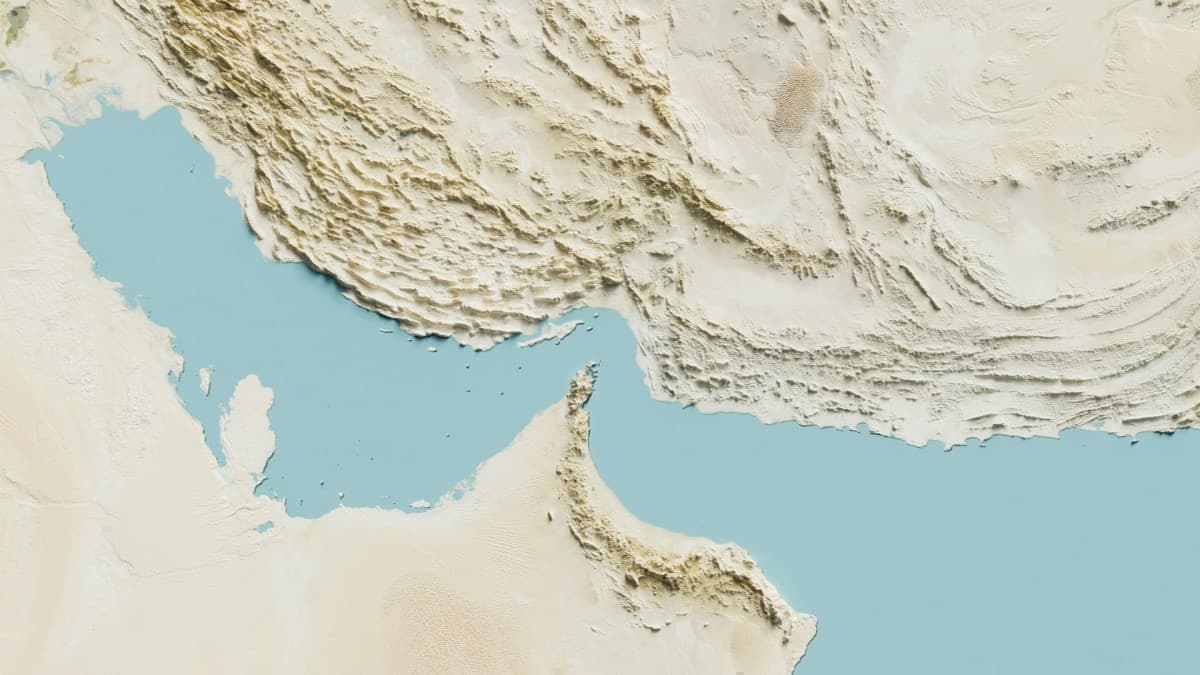
Iran is generating approximately $139 million in daily oil revenue as the ongoing Strait of Hormuz crisis disrupts regional supply chains. This financial windfall occurs while competing Gulf producers face significant logistical bottlenecks. The Islamic Republic benefits from resilient export volumes and narrowing price discounts compared to historical norms.
Bloomberg calculations based on Tankertrackers.com data indicate March earnings reached this specific level. Daily proceeds rose nearly $25 million compared to February averages of $115 million. Steady volumes and higher prices have been bringing millions of dollars of additional oil revenues for the Islamic Republic since the war began.
International crude prices climbed above $100 per barrel due to the Middle East supply shock. Brent crude traded around $105 per barrel early Thursday morning. This price hike adds significant revenue from oil sales for Tehran, offsetting potential sanctions costs.
The discount on Iranian Light crude narrowed significantly compared to pre-war levels. Previously, the gap exceeded $10 per barrel against Brent benchmarks. This week, the discount narrowed to just $2.10 per barrel, signaling market tightness.
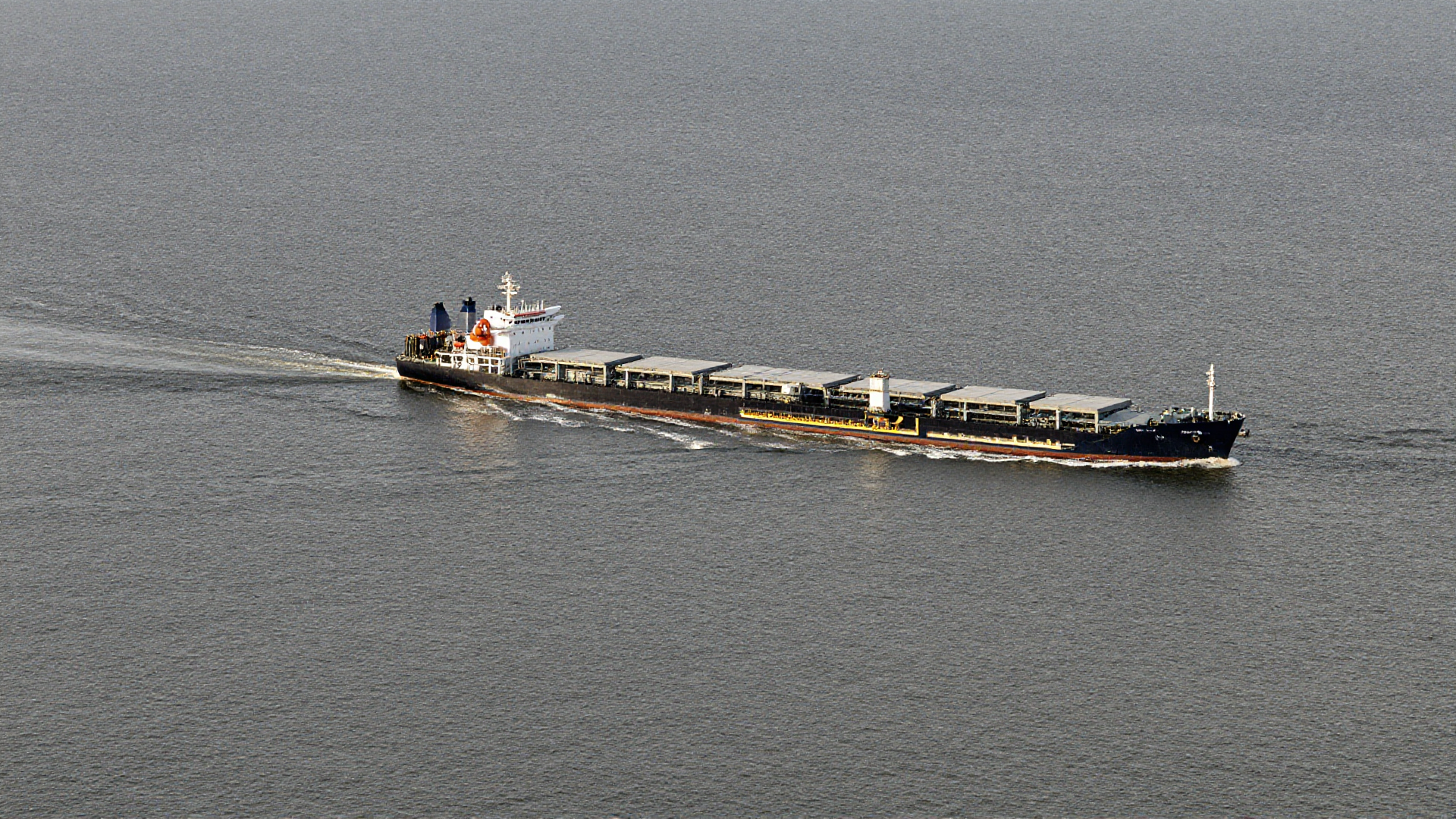
Maritime intelligence firm Windward reported that Iranian crude exports remain relatively steady. Most other Gulf oil supply remains trapped while Iranian tankers transit freely. The U.S. waiver on Iranian sales may not be attracting buyers beyond established customers, yet it drives up prices.
Chinese independent refiners continue to purchase the crude without new major entrants. However, the pricing dynamics are driving up the value of Iranian barrels. The free flow through the Strait is likely hiking revenues despite the geopolitical risks.
The report notes the U.S. and Israel started bombing Iran and killed the Ayatollah. This conflict context explains the heightened volatility in the region. This access remains critical for their economic stability.
Prolonged blockage could wipe out 14 million barrels per day of oil supply. Iraq's economy reels as Hormuz blockade chokes oil revenues. This situation highlights the vulnerability of global energy markets to regional instability.
What comes next depends on diplomatic resolutions. Markets will watch for changes in tanker traffic. Investors will monitor the discount spread against Brent closely for further signals.