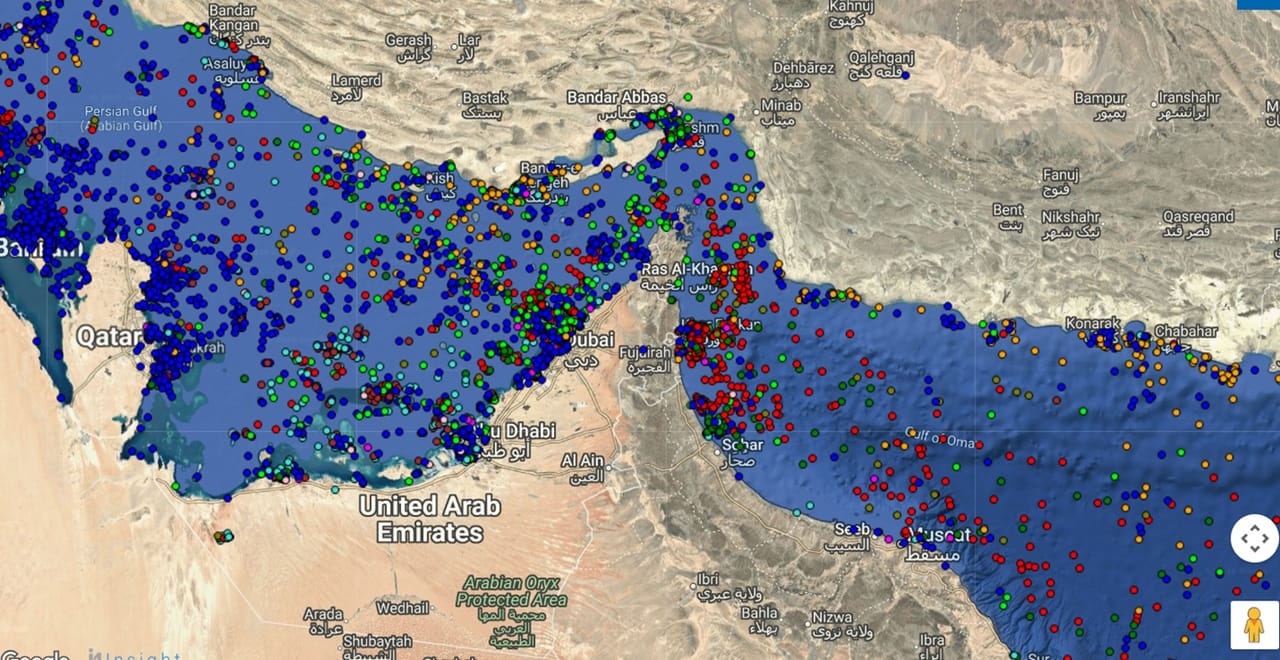
Iranian state media reported today that the country has halted the passage of oil tankers through the Strait of Hormuz. The Fars news agency stated the move is a direct response to recent Israeli airstrikes in Lebanon. According to Al Jazeera, the intensity of these strikes was significant, with Israel reporting that it bombed Lebanon 100 times in just 10 minutes, resulting in hundreds of deaths. The escalation was captured in viral social media footage of a 13-year-old girl fleeing with her father during the assault.
Despite the reported halt, Fars noted that two oil tankers were permitted to transit the strait this morning following the activation of a ceasefire between Iran and the United States.
Oil industry pushes back on transit tolls
The maritime disruption comes as major oil companies intensify pressure on the Trump administration regarding separate Iranian proposals to levy tolls on ships navigating the strait. Oil executives are meeting with senior State Department officials and members of the administration to protest these charges.
Industry representatives argue that paying such tolls would violate existing sanctions laws and set a dangerous global precedent. One industry consultant told Politico, “Hell yes,” when asked if executives were actively lobbying the White House to block the toll plan. “We didn’t have to do that before — and I thought we won the war. Any place you have access to the administration, you ask, what are you guys thinking?”
According to an attendee of a Wednesday meeting with State Department staff, the administration’s response to these concerns has been non-committal. “It’s more like, ‘Yeah, ok, we’ll take note,’” the source reported.
Industry experts warn that the proposed tolls would add approximately $2.5 million per shipment in costs and insurance premiums, expenses that would inevitably reach consumers. There is also fear that if Iran gains authority to charge for transit in Hormuz, nations like Turkey or Singapore could follow suit for the Bosporus and the Strait of Malacca.
While some companies are engaging with the White House, others are proceeding with caution. One source familiar with the lobbying efforts noted, “The president is extremely sensitive to the legacy and judgment on the success of this war so pushing the president right now is seen as a risky proposition.”