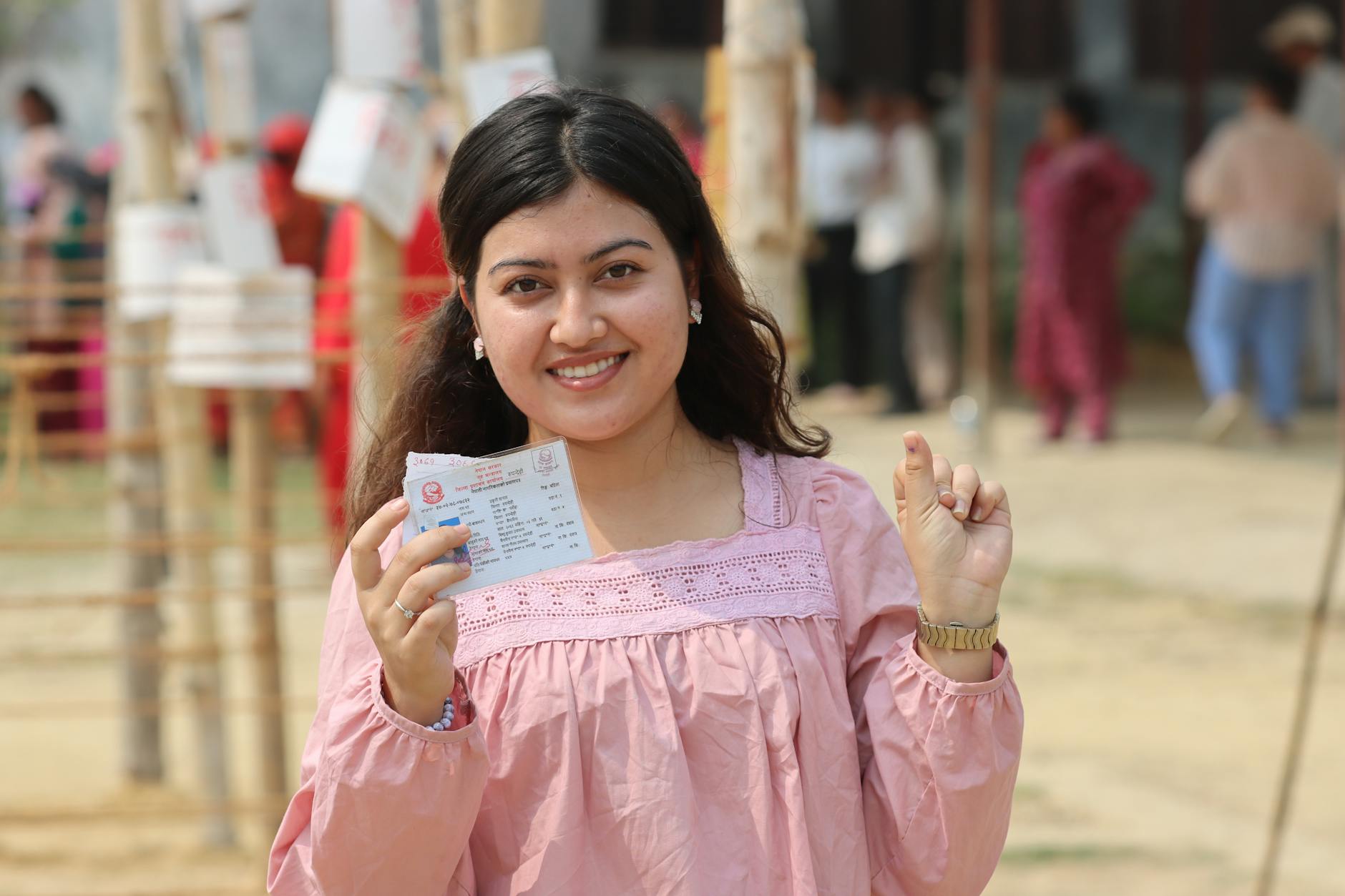
Indian Muslim communities have expressed concerns that they are being specifically targeted following a massive cleanup of electoral rolls in India. The deletions follow a 'Special Intensive Revision' (SIR) program launched by the Election Commission of India last year.
According to reports from France 24, the Election Commission of India removed more than 55 million voters across 13 states and territories. The commission described the large-scale exercise as a necessary administrative step to eliminate duplicate entries and remove deceased voters from the system.
The process has triggered intense political friction, particularly in West Bengal. In that state, approximately 9 million voters have been deleted ahead of upcoming elections.
Opposition leaders and former officials have raised concerns regarding the scale and timing of these removals. They suggest the deletions could undermine democratic fairness and potentially tilt the upcoming state election in favor of Prime Minister Narendra Modi’s Bharatiya Janata Party (BJP).
While the government maintains the deletions are purely administrative, the impact in West Bengal has become a central issue in the local political landscape. Many Indian Muslims have voiced fears that the purge is being used to disenfranchise specific populations.
The controversy has highlighted deep fault lines regarding voter rights and the integrity of India's electoral system. As the state election approaches, the legitimacy of the voter rolls remains a defining feature of the regional political contest.