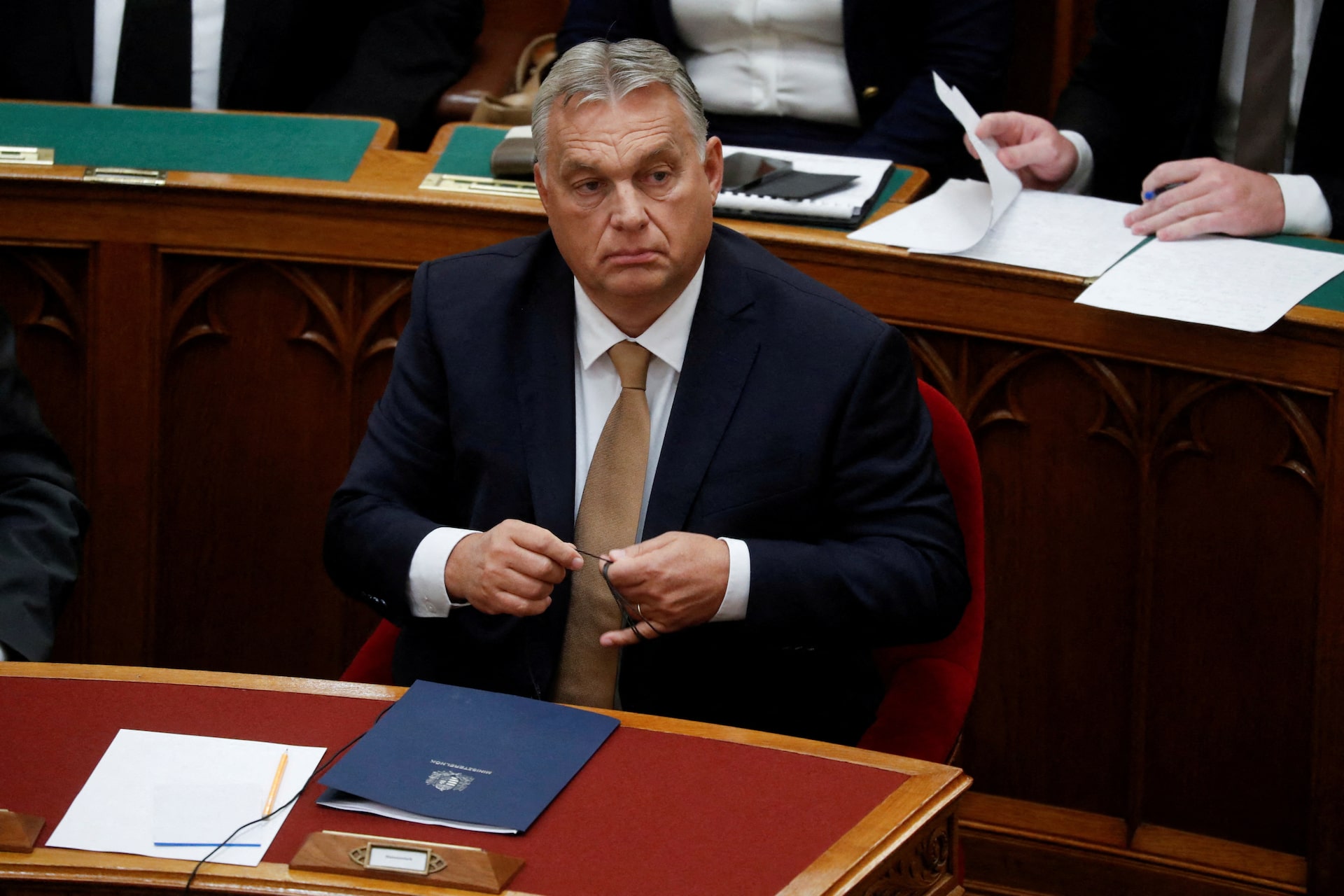
Hungarian Prime Minister Viktor Orban convened an emergency meeting of the National Defence Council on Sunday following the discovery of explosives near the TurkStream pipeline in northern Serbia. Serbian forces located two rucksacks filled with detonators and high-grade explosives near the village of Tresnjevac, roughly 12 miles from the Hungarian border.
Serbian President Aleksandar Vucic confirmed the find, describing the cache as having "devastating power." He stated that he is keeping the Hungarian government updated as the investigation proceeds. The TurkStream pipeline serves as a critical artery for Hungary, delivering between five and eight billion cubic meters of Russian gas annually.
Election pressure and security fears
The discovery occurs just one week before Hungary’s national elections. Orban’s Fidesz party is currently trailing in the polls, and the Prime Minister has frequently utilized his stance on Russian energy as a cornerstone of his campaign. He argues that Hungary’s relatively low heating and fuel costs are only possible through continued imports from Moscow.
However, the timing of the discovery has drawn immediate skepticism from the political opposition. Peter Magyar, the leader of the main opposition faction, dismissed the incident as "panic-mongering" orchestrated by Orban and his allies. Magyar accused the Prime Minister of attempting to manufacture a crisis to influence voters or justify an emergency declaration to delay the upcoming poll.
Security analysts had previously flagged the possibility of such an event. On April 2, Hungarian security expert Andras Racz warned on social media that a staged attack on the pipeline could be used to frame Ukraine and generate sympathy for the incumbent government. Former senior counter-intelligence officer Peter Buda corroborated this, telling the BBC that the operation appears designed to manipulate public opinion rather than serve a legitimate strategic military interest.
Despite these claims, the Hungarian government maintains that the threat is part of a broader campaign against the country’s energy security. Foreign Minister Peter Szijjarto pointed to recent incidents, including an oil blockade via the Druzhba pipeline and drone strikes on Russian territory, as evidence of a coordinated effort to force Hungary into a European military conflict.
"The Ukrainians organized an oil blockade against us," Szijjarto wrote on Facebook. "And now we have today's incident, in which Serbian colleagues found explosives capable of blowing up the pipeline."
No official evidence has linked the explosives to Ukraine. Serbian authorities are expected to release preliminary findings from their investigation as early as Monday, which could set the tone for the final week of Hungary's high-stakes election cycle.