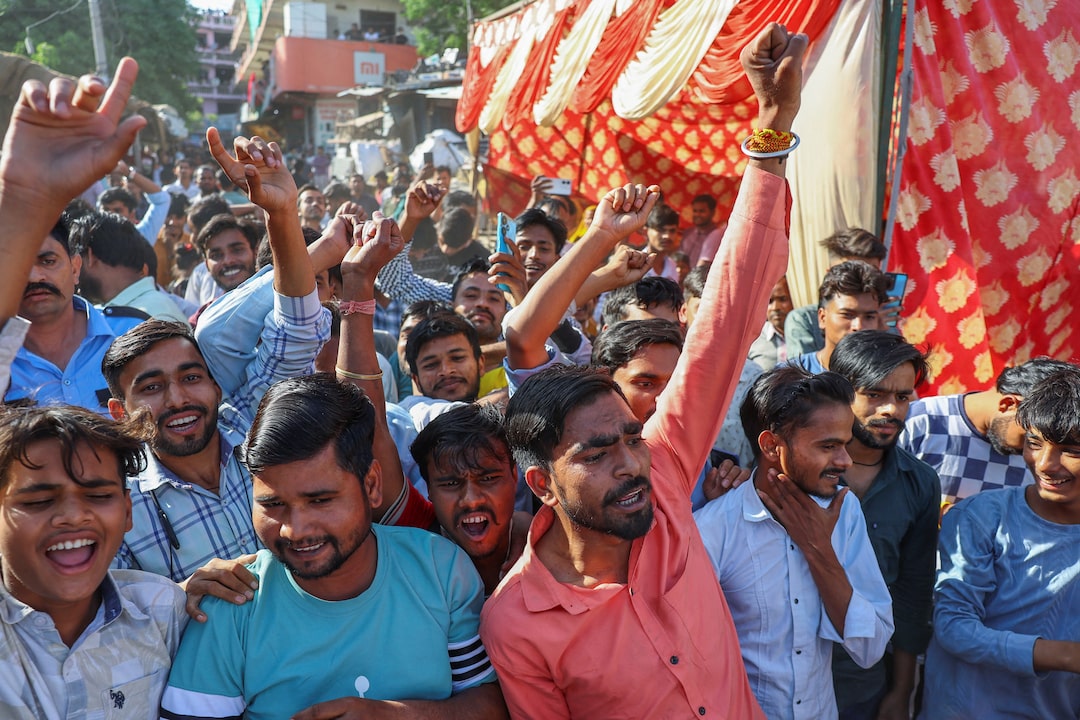
Police have increased enforcement in Noida, India, as factory worker protests turned violent for the fourth consecutive day, according to Al Jazeera.
The unrest in the Indian city stems from rising living costs, a trend linked to global economic pressures caused by the ongoing US-Israeli war on Iran.
In Israel, the impact of the conflict is being felt through both physical destruction and a growing sense of psychological exhaustion, according to the BBC.
Liat Zvi, standing by cracked walls in her Tel Aviv apartment, described the atmosphere as depressing.
"It's depressing… we've been in war for two and a half years and this just feels like another round," Zvi said.
Six weeks ago, an Iranian missile bypassed Israel's air defenses and struck a residential building in her neighborhood, killing 32-year-old Filipino carer Mary Anne Velasquez de Vera.
Public division over ceasefire
New polling from the Hebrew University of Jerusalem indicates that while Israelis are war-weary, two thirds oppose the current tentative truce between Washington and Tehran.
One third of respondents described their current emotion as "despair," followed by "confusion" and ""anger," with "hope" ranking fourth.
Most surveyed Israelis believe that neither Iran nor Hezbollah has been significantly weakened by recent US and Israeli bombardments.
While Prime Minister Benjamin Netanyahu claims "huge achievements" in his campaign to destroy Iran's ballistic missile capability, his opponents argue he has failed to meet his war goals.
Public opinion remains split on whether to continue strikes, with 39.5% favoring continued attacks and 41.4% supporting the respect of the ceasefire.
A significant divide exists between Israel's Jewish and Arab populations regarding the conflict's resolution.
Less than 20% of Arab respondents believe Israel should resume strikes on Iran.
Earlier data from the Institute of National Security Studies showed 61% of the Arab public wanted a ceasefire as soon as possible, while a June survey by the Jewish People Policy Institute found 93% of Jews supported the war.
"If we're not going to break sponsoring Iran's proxies [armed groups backed by Iran] around here then it's [the ceasefire] not worth anything," Zvi said.