International press coverage this week has focused intently on the evolving geopolitical posture of the United States, contrasting domestic turbulence with symbolic gestures in Washington. French daily *Libération* framed its critique under the headline, "American flop power," arguing that escalating actions by US enforcement agencies are actively eroding the nation's global influence. The publication suggests that the reported six percent drop in US tourism for 2025 is directly attributable to perceptions of 'excessive behaviour' emanating from the executive branch.
Further scrutiny centered on the fiscal implications of deploying domestic security forces. Analysis from *The Washington Post*, citing data from the nonpartisan Congressional Budget Office, estimates that the deployment of National Guard units between June and December of the previous year cost American taxpayers half a billion dollars. Projections suggest this expenditure could exceed $1 billion in the current fiscal year, raising questions about resource allocation.
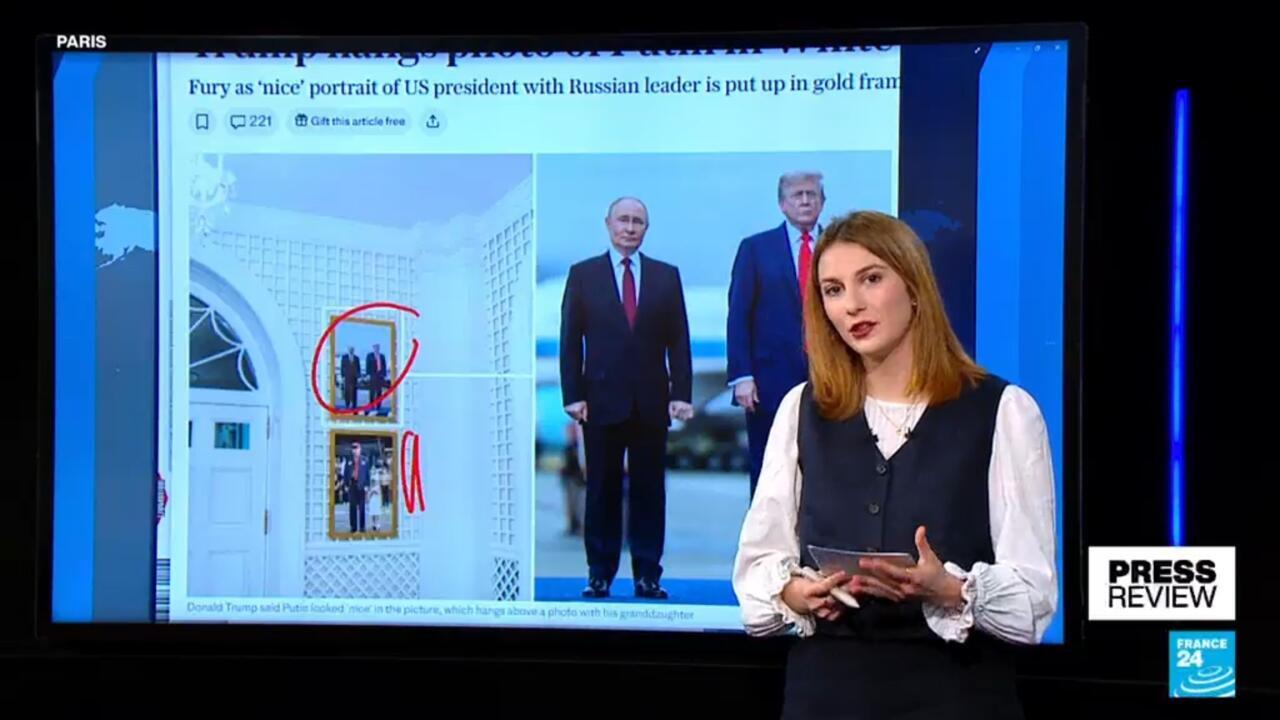
Against this backdrop of domestic expenditure and soft power erosion, President Trump's recent White House decoration choices have drawn commentary. *The Telegraph* reported the framing and prominent display of a photograph depicting the President alongside Russian leader Vladimir Putin. The President reportedly deemed the Russian leader's appearance in the photo as 'nice,' a gesture observers note amidst ongoing strategic competition between Washington and Moscow.
Shifting focus eastward, reports from Balkan Insight indicate a concerning regional trend where surveillance technologies are being actively weaponized against political opposition. In Georgia, following the government's suspension of European Union accession talks—a decision that triggered massive pro-democracy protests throughout 2025—the state has reportedly deployed extensive 'Big Brother'-style cameras to identify demonstrators.
Serbia is reportedly employing similar tactics. Facial recognition cameras have allegedly been utilized against student-led mass protests in Belgrade. This deployment is particularly contentious as the collection and processing of biometric data in Serbia is technically prohibited under existing law, creating a potential regulatory and human rights flashpoint, though the government has not formally confirmed the use of the technology.
These developments underscore a period of significant global realignment, where domestic policy choices and symbolic international signaling intersect with increasing state reliance on digital monitoring tools to manage internal dissent in key strategic regions. The narrative emerging from international papers suggests a period of volatility for established Western soft power metrics, juxtaposed against the tightening grip of digital authoritarianism in other theaters.
(Source: Aggregated from various international press reviews, including France 24, Libération, The Washington Post, and The Telegraph.)