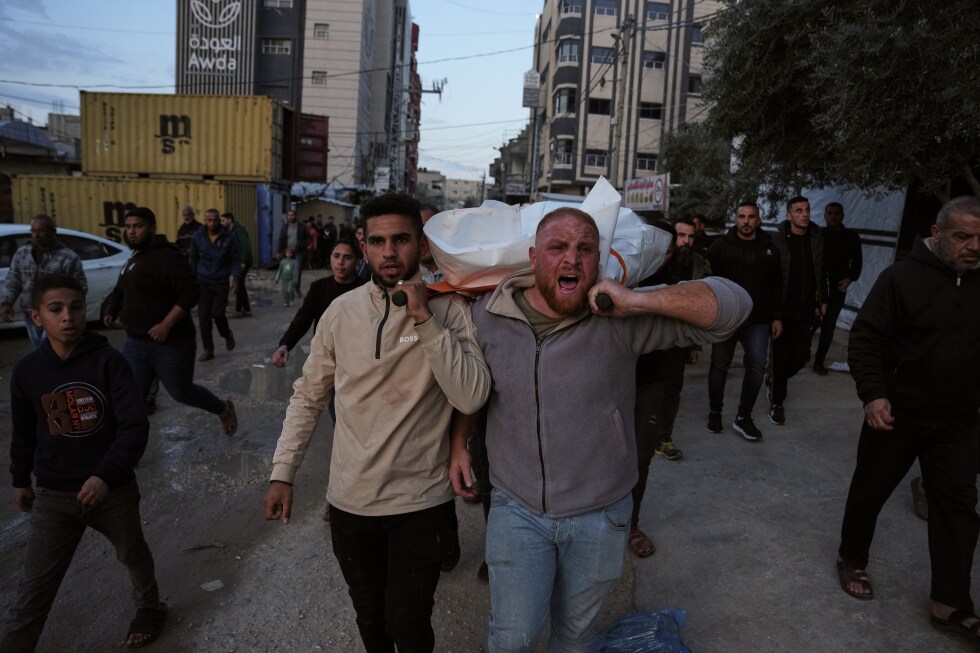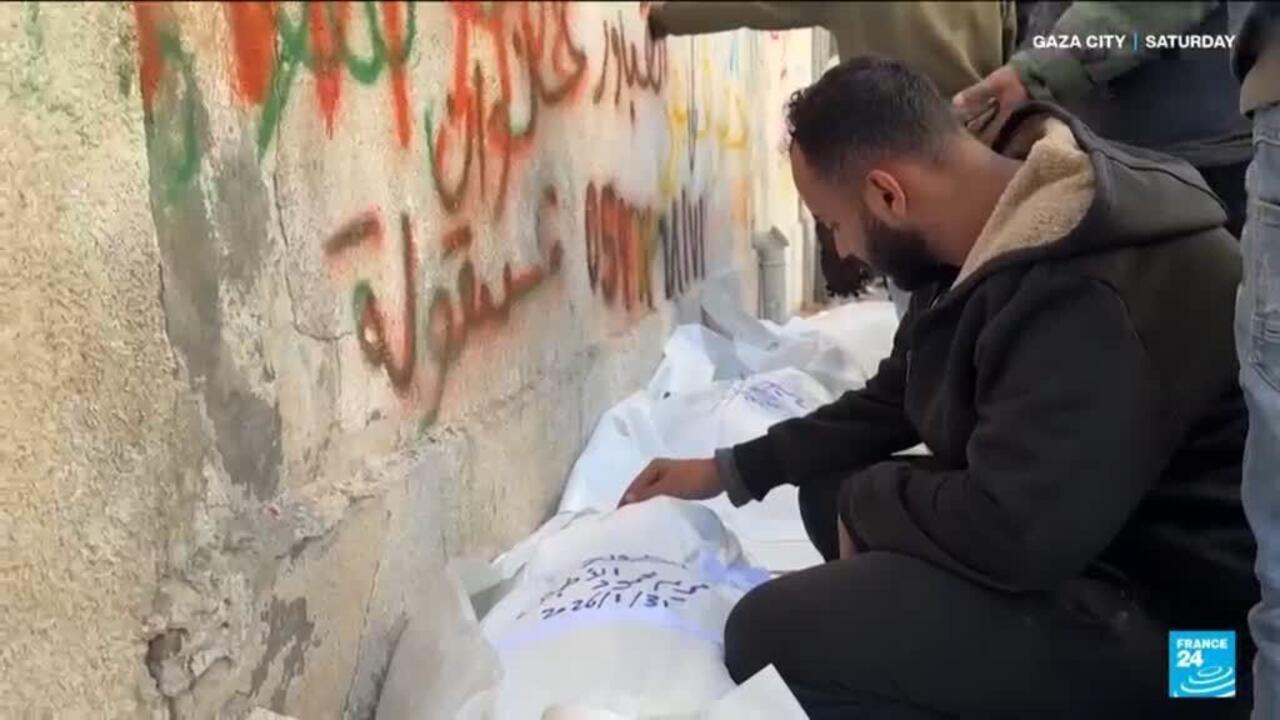
Israeli air strikes killed at least thirty people in the Gaza Strip on Saturday, hospital officials confirmed, reporting that fatalities included several children. The Israel Defense Forces (IDF) asserted the attacks were a direct response to Hamas violating the terms of the ongoing truce agreement.
Reports from the ground indicate sustained conflict despite diplomatic efforts to maintain a cessation of hostilities across the region. This latest incident signals a significant setback for the fragile truce which entered its second phase earlier in the current month.
Both Israel and Hamas have publicly accused the opposing side of breaching the terms of the US-brokered understanding designed to pause fighting and facilitate prisoner exchanges. These mutual accusations complicate international efforts to solidify a lasting de-escalation.
Data from local medical facilities points to an increasing civilian toll amidst the renewed intensity of the exchanges. The continuation of such high-casualty events challenges the operational viability of the current pause in fighting, according to regional analysts.
International mediators, including officials from the United States, have reportedly been engaged in urgent discussions aimed at halting the renewed cycle of violence. The focus remains on securing adherence to the agreed-upon parameters of the truce to prevent wider regional instability.
Geopolitical observers note that the ongoing friction jeopardizes broader normalization talks and complicates humanitarian access to the densely populated territory. The commitment of regional actors to enforce the truce appears increasingly strained by these intermittent flare-ups.
The immediate outlook suggests continued volatility until a clear mechanism for verifiable compliance with the ceasefire terms is established and accepted by all parties involved. Further military actions risk deepening the humanitarian crisis within Gaza.