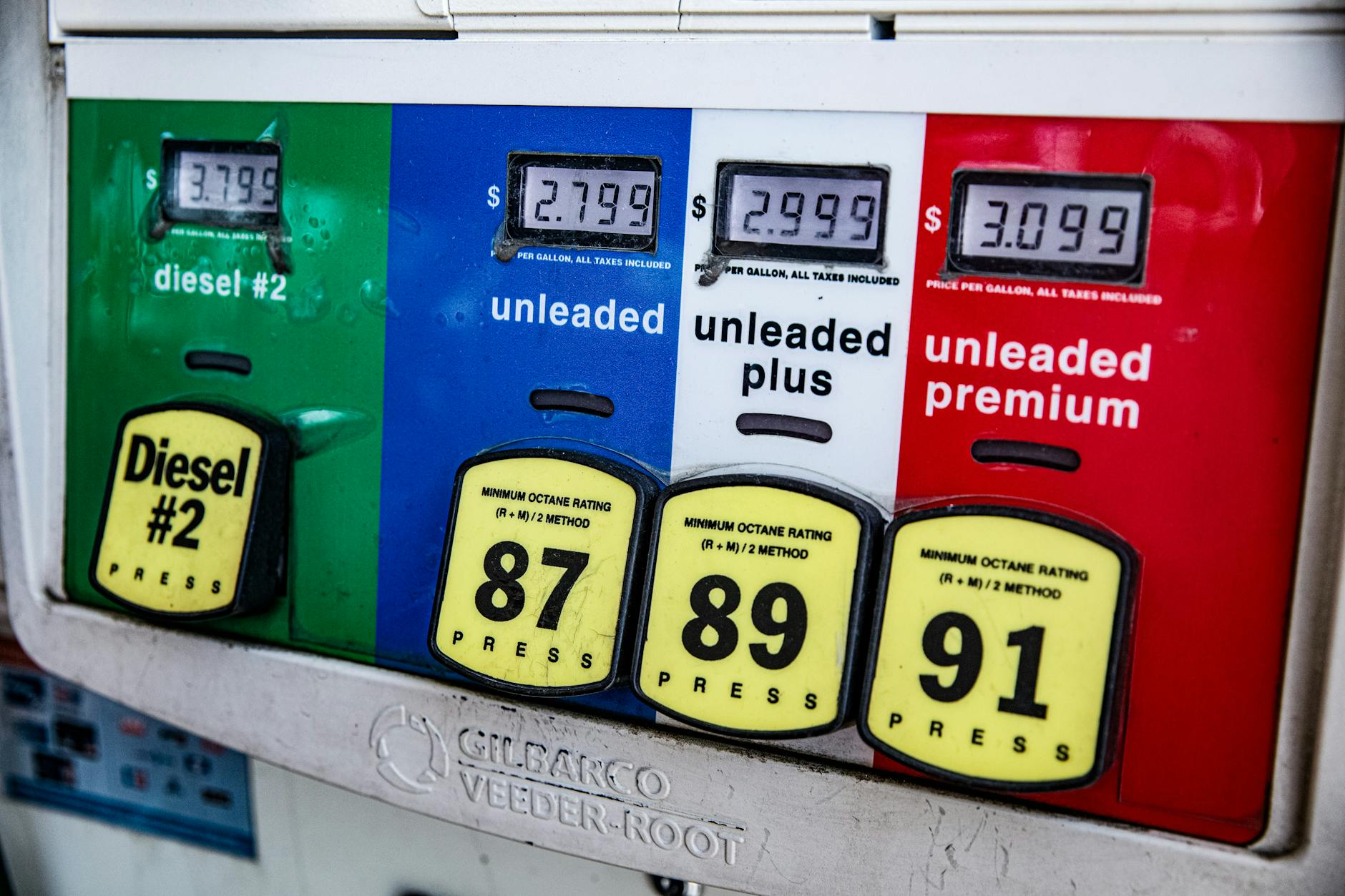
Petrol and diesel prices rose again on Thursday as uncertainty over the durability of the US-Iran ceasefire pushed oil markets higher.
Brent crude prices jumped 3.2% to $97.94 per barrel. The increase follows initial price drops seen after the announcement of a conflict pause, but renewed tensions have reversed those gains.
US Vice President JD Vance described the current truce as "fragile" as pressure mounts on the agreement. Tensions escalated after Israel launched strikes on Lebanon, prompting Tehran to warn of a "regret-inducing response."
Shipping threats impact energy costs
One critical condition of the ceasefire involves the safe passage of ships through the Strait of Hormuz. Reports that Iran may keep the key shipping route closed have renewed fears of energy supply disruptions.
Iran's navy has warned vessels in the Gulf that any ships attempting to cross the strait without permission "will be targeted and destroyed," according to shipping brokerage firm SSY.
Iranian Deputy Foreign Minister Saeed Khatibzadeh told the BBC that the country would only provide security for safe passage once the United States withdraws its "aggression."
Motorists are already feeling the impact of the ongoing conflict. According to UK motoring group the RAC, the average petrol price reached 158.03p a litre on Thursday, while diesel hit 191.11p a litre.
A full tank of petrol is now £13.86 more expensive than it was at the start of the conflict, the RAC reported. Diesel costs have surged by £26.80 per tank since the war began on February 28.
Some analysts suggest relief may be possible if the truce holds. Luke Bosdet, a spokesman for the AA, said that if wholesale costs continue to drop, drivers could see prices level or fall by next weekend.
"Based on the fuel industry's rule of thumb of a 10 to 14-day lag between wholesale cost movements and those at the pump, drivers should expect prices on forecourts to level by next weekend and then fall," Bosdet said.
However, maritime experts warn that the backlog of ships is substantial. Marine tracking firm Pole Star Global estimates it will take at least 10 days to clear existing vessels, even if shipping resumes at normal volumes.
Nils Haupt of Hapag-Lloyd said the current volatility makes planning nearly impossible. He warned that if new fees are introduced for passing through the Strait, the cost could be "ridiculous for the entire industry."