French voters returned to polling stations on Sunday, March 22, 2026, for the second round of local elections. Observers noted a measurable increase in participation across major urban centers compared to previous cycles. This shift follows a disappointing first round that recorded historically low engagement rates nationwide.
Major cities including Paris recorded higher activity levels around midday than seen in 2014 and 2020. Data collected at key locations suggests a reversal in the trend of declining civic participation. Voters in these dense areas appear more motivated to influence regional outcomes significantly.
The initial round in late March saw record apathy among the general electorate. Political analysts had warned that low turnout could undermine the legitimacy of the results. The midday report indicates a possible recovery in public interest before final closing.
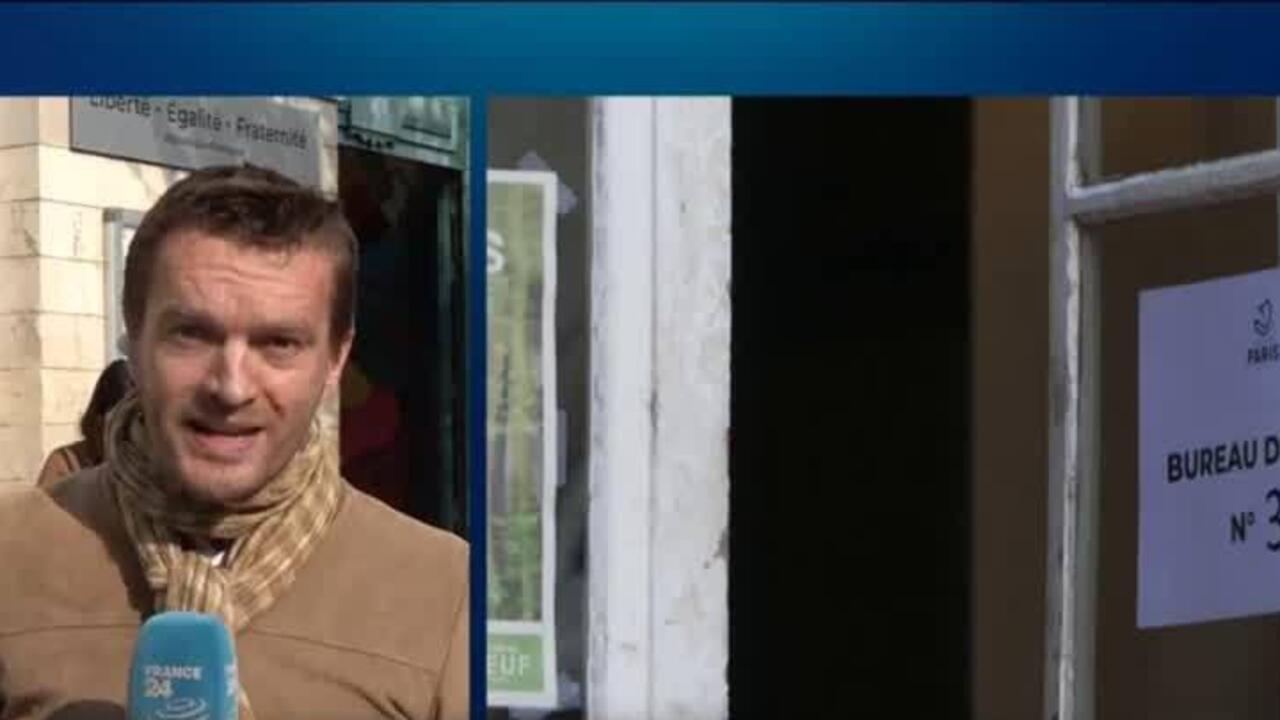
Jamie Smith-Maillet reported the findings from Paris on behalf of FRANCE 24. The broadcaster tracked real-time indicators at specific polling stations throughout the day. Their monitoring provides one of the earliest assessments of the second round dynamics.
Local governance structures directly influence economic development strategies in French regions. Stable political outcomes allow municipal authorities to maintain long-term infrastructure projects. Uncertainty often delays investment decisions in sectors reliant on public contracts.
Geopolitical stability within the European Union relies on functioning democratic institutions at all levels. A resurgence in voting could signal renewed trust in the domestic political system. Conversely, persistent apathy might fuel populist narratives regarding institutional failure.
Regional councils manage significant portions of the national budget and economic planning. Their decisions affect transportation networks and business regulations within specific territories. Investors monitor these bodies for signs of regulatory continuity or sudden policy shifts.
The contrast between the two rounds highlights the volatility of voter sentiment. Early fatigue often sets in as campaigns drag on without clear resolution. Mobilizing the base requires effective communication strategies from competing political factions.
Final results will determine the composition of regional assemblies for the next term. Political parties must now pivot toward policy implementation rather than campaign rhetoric. The outcome will shape the administrative landscape for years to come.
International observers will watch these results for trends in European electoral behavior. A successful turnout could encourage confidence in democratic processes across the continent. Future elections may see similar patterns depending on the economic climate.