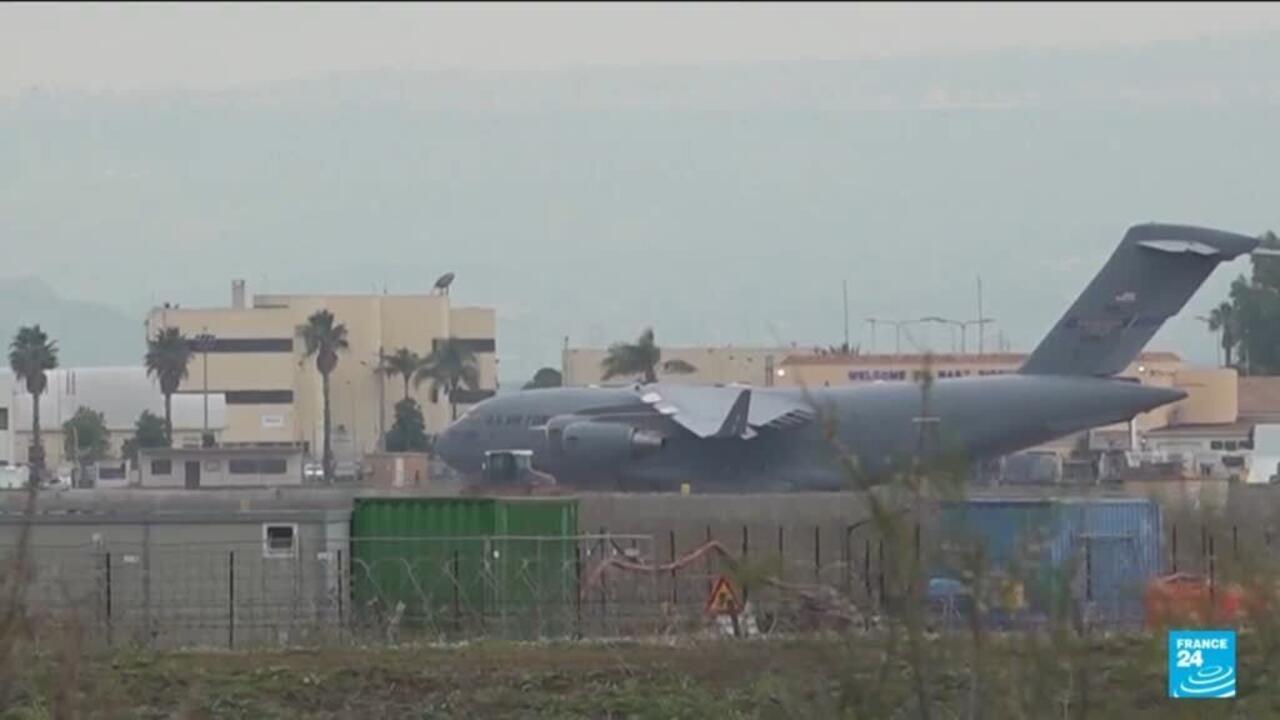
France, Italy, and Spain have formally opposed recent United States military operations in the Middle East, sources confirmed on Tuesday. This diplomatic rift emerges as tensions escalate over the ongoing conflict involving Iran and Israel. President Donald Trump recently criticized European NATO partners for their lack of support during the month-long war. The decisions highlight deepening divisions within the Western alliance regarding foreign policy strategy.
Diplomatic Fractures
The European nations cited humanitarian concerns and the risk of regional escalation as primary factors driving their stance. France and Italy aligned their positions with Madrid earlier this week, signaling a unified front against Washington. According to France24, the coordination was reported by multiple diplomatic sources to avoid direct confrontation. These nations are seeking to limit the scope of military engagement to prevent broader instability.
"The decisions came against a backdrop of tensions between Washington and key partners over the war in Iran," a diplomatic source told reporters.
President Trump singled out these specific allies during a recent address to the public regarding the conflict. He reportedly described longtime NATO allies as cowards for their hesitation to join the offensive against Iran. Such rhetoric has strained relations between the administration and European capitals significantly. This verbal attack marks a departure from previous alliance management styles under prior leadership.
Strategic Implications
The discord poses significant risks to NATO cohesion and collective defense commitments across the Atlantic. European leaders worry that unilateral US actions could destabilize global markets and energy supplies. Economic sanctions on Iran remain a contentious point of debate among the transatlantic partners. The European Union must navigate these pressures while maintaining its own strategic autonomy.
Historical precedents suggest that such rifts often lead to reduced intelligence sharing and military cooperation. The current situation echoes tensions seen during the 2003 Iraq War when France and Germany opposed the invasion. However, the stakes in the current conflict involve nuclear proliferation and regional hegemony. Analysts warn that prolonged friction could weaken the bloc's global influence.
Future Outlook
Washington and Brussels must engage in urgent consultations to repair the diplomatic damage quickly. Without a unified front, the effectiveness of international sanctions on Tehran will diminish significantly. The European Commission is expected to issue a statement clarifying its position on the matter soon. Observers will watch for any shifts in US troop deployments or aid packages to the region.
The outcome of these negotiations will define the future of the transatlantic security architecture permanently. If unresolved, this could encourage other nations to pursue independent foreign policy paths globally. The situation requires careful management to prevent the erosion of shared democratic values.