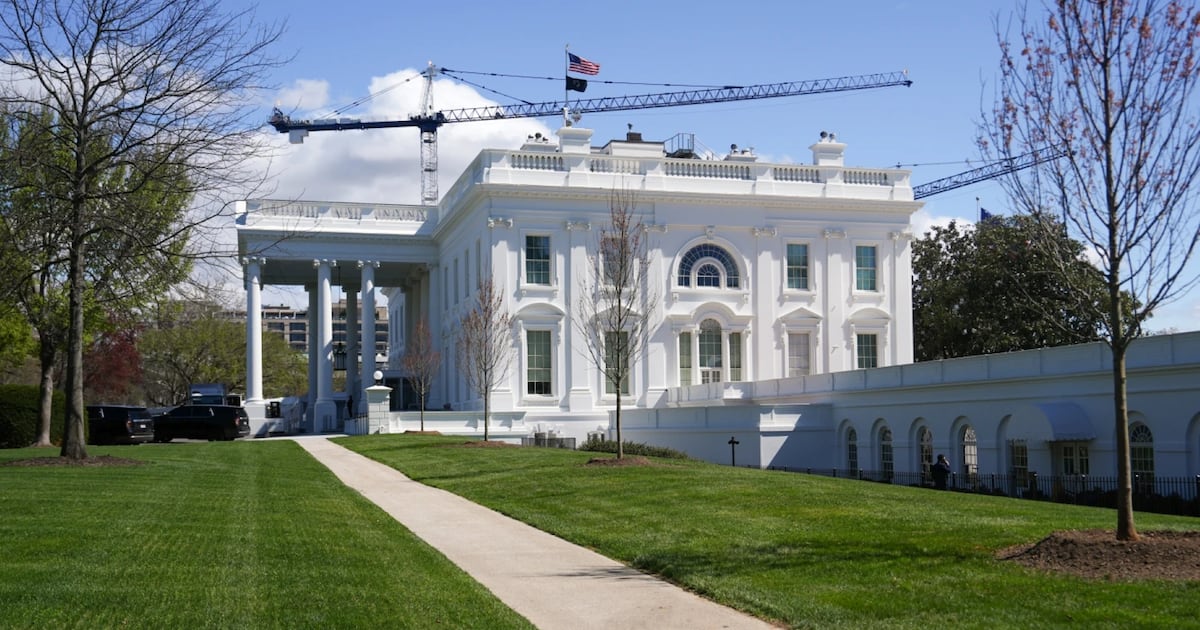
A federal judge in Washington ordered the Trump administration on Tuesday to suspend construction of a $400 million ballroom at the White House. Judge Richard Leon prohibited the work from continuing without congressional approval, citing existing statutes. The ruling effectively blocks the project currently underway where the East Wing was previously demolished.
Key Details
The National Trust for Historic Preservation filed the lawsuit seeking the preliminary injunction against the executive branch. Leon, who was nominated by President George W. Bush, concluded the group has a strong case for legal success. He determined that no statute grants the president the specific authority claimed for this renovation.
"The president of the United States is the custodian of the White House for future generations of First Families. However, he is not the owner," Leon wrote in his ruling. This distinction underscores the legal argument regarding the limits of executive power over historic sites.
What This Means
According to The Associated Press, this decision represents the first significant setback for Trump's extensive White House reform plans. Construction crews had already demolished the East Wing, fundamentally altering the historic grounds before the order was issued. The physical changes to the site remain in place while the legal status of the project is disputed.
The case highlights a broader question regarding separation of powers and federal budgeting authority. Congressional approval is typically required for major public works involving historic landmarks. This ruling suggests that executive orders alone cannot justify significant structural modifications to federal property.
If the court maintains the ban, the $400 million investment may be lost or redirected to approved projects. Observers will watch for how the White House responds to this judicial constraint on its authority. Legal experts suggest this precedent could affect other executive branch infrastructure initiatives in the future.
Future Outlook
The administration must now navigate the legal process to either comply with the injunction or seek an appeal. This pause impacts the timeline for any future renovations planned for the presidential residence. The decision reinforces the necessity of legislative oversight for high-cost government projects.