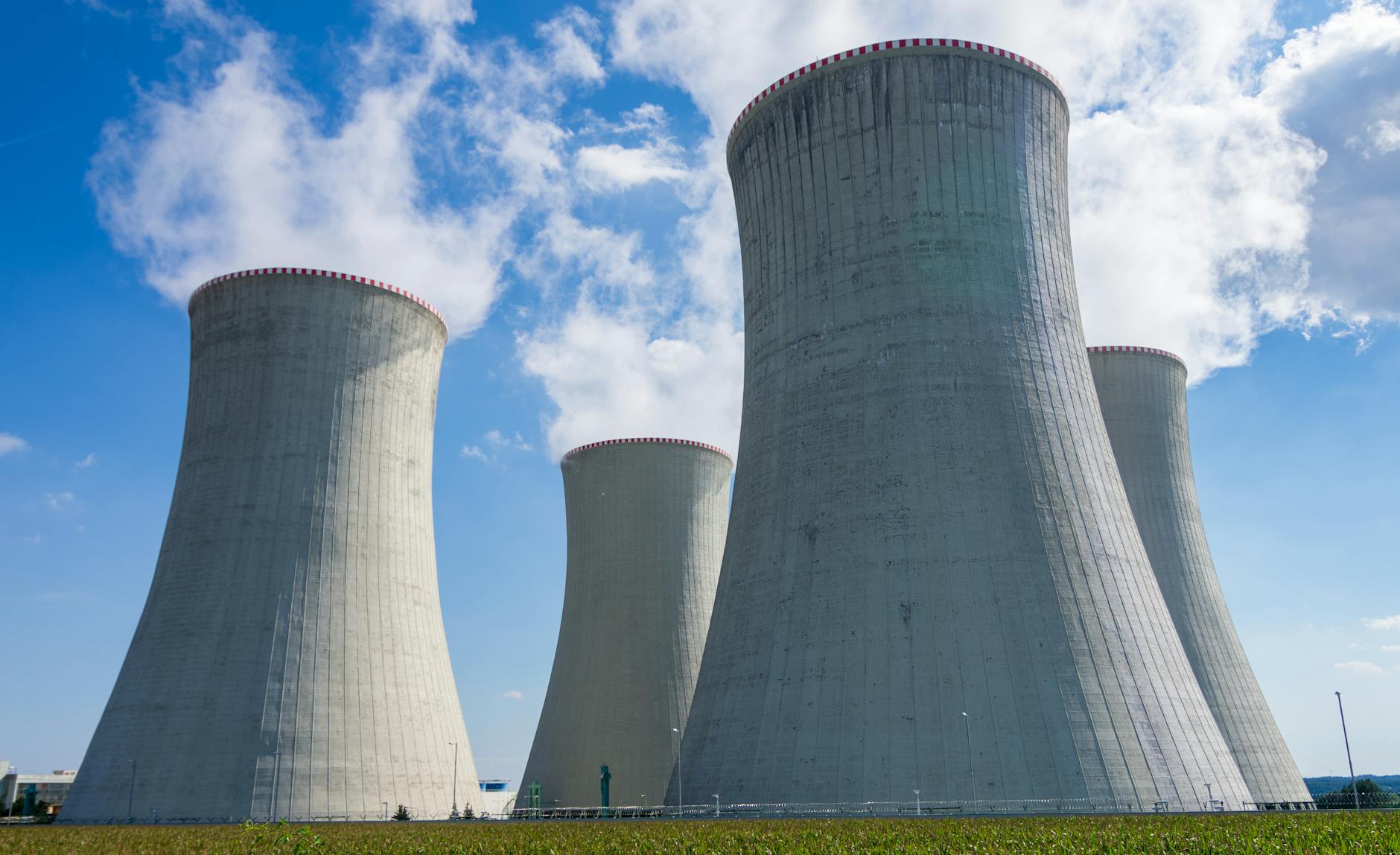
European governments are accelerating a return to nuclear energy as volatile global gas prices threaten to destabilize the continent’s economy. The shift follows a fresh energy shock triggered by supply concerns in the Middle East, which has forced policymakers to rethink their reliance on imported fossil fuels.
European Commission President Ursula von der Leyen recently labeled the continent's historical move away from nuclear power a "strategic mistake." Europe’s nuclear output has dropped from roughly one-third of its total electricity in 1990 to just 15% today. Von der Leyen argued this decline left the region vulnerable to the price fluctuations and supply chain disruptions currently roiling global markets.
The shift toward energy sovereignty
The economic impact of current energy prices is stark. Germany, which shuttered its nuclear reactors following the 2011 Fukushima disaster, has seen its growth forecast for 2026 slashed to 0.6% due to high gas costs. In contrast, France continues to generate 65% of its electricity from nuclear power, shielding its economy from the price spikes currently impacting its neighbors.
Across the continent, nations are scrambling to adjust their energy strategies. Italy is drafting legislation to repeal its ban on nuclear power, while Belgium is reversing its previous commitment to exit the industry. Sweden has abandoned its four-decade-old policy of phasing out nuclear technology, and the United Kingdom is streamlining regulations to fast-track new projects.
"To build national resilience, drive energy security and deliver economic growth, we need nuclear," said UK Chancellor Rachel Reeves.
French President Emmanuel Macron remains the most vocal advocate for the technology. During a recent summit in Paris, he framed nuclear power as a dual-purpose tool for achieving both carbon neutrality and energy sovereignty. Macron also highlighted the rising demand for electricity from the artificial intelligence sector, noting that stable, large-scale power generation is essential for building the data centers needed to compete in the global tech market.
While Spain has successfully leveraged high investments in wind and solar to stabilize its electricity prices, other countries remain tethered to gas-indexed markets. As the European Commission encourages citizens to reduce energy consumption, the push for nuclear power is increasingly viewed by leaders as the only viable path to long-term energy independence.