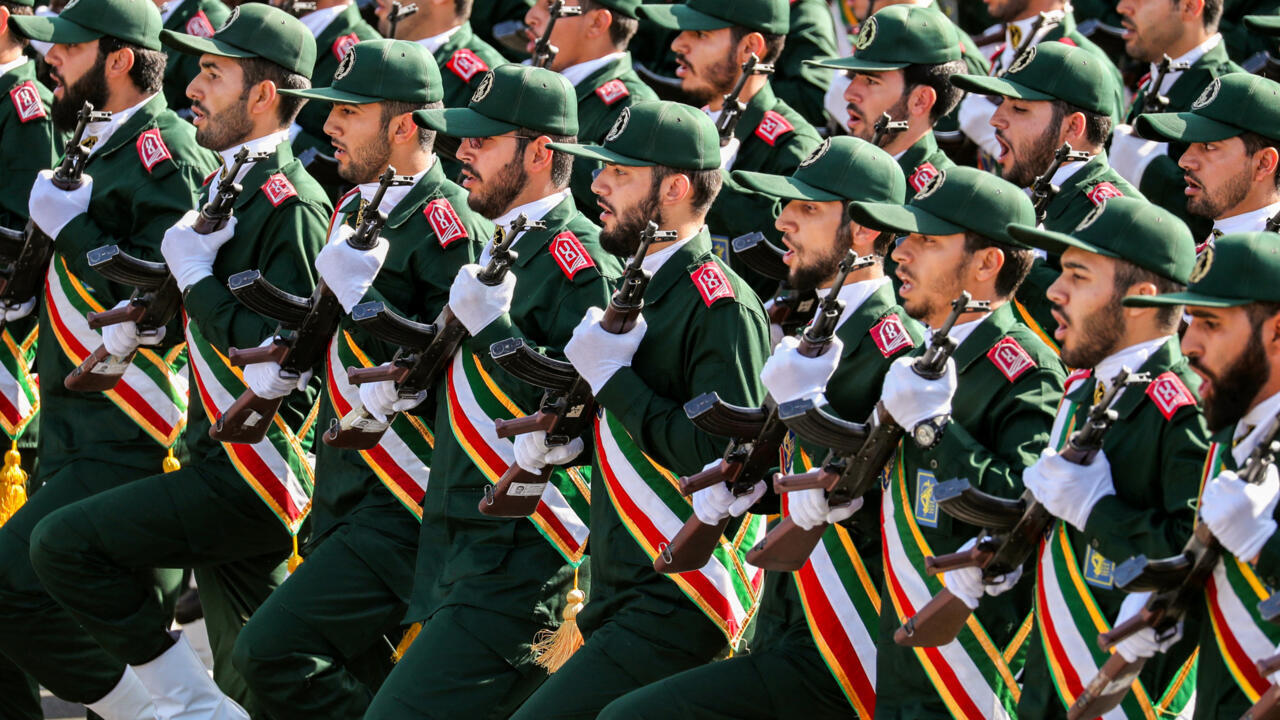
The European Union’s decision this week to formally list Iran’s powerful Islamic Revolutionary Guard Corps (IRGC) as a terrorist organization has triggered an immediate and severe diplomatic backlash from Tehran, signaling a significant escalation in trans-Atlantic relations concerning the Middle East.
Iranian Foreign Minister Abbas Araghchi decried the listing as a "major strategic mistake," arguing that while some states seek regional de-escalation, Europe is actively "fanning the flames." Tehran’s military apparatus echoed this sentiment, branding the EU’s action as "irresponsible and spite-driven," claiming adherence to US and Israeli geopolitical objectives. This rupture in diplomatic channels complicates any immediate path toward renewed engagement on the nuclear file.
Financial markets reacted swiftly to the heightened friction. Benchmark crude oil prices surged by 3%, reaching a five-month high, reflecting heightened investor anxiety over potential supply chain disruptions. Analysts, including those at Citibank, project that in the near term, limited US military actions or oil tanker seizures remain plausible coercion tactics aimed at forcing Iran back to the negotiating table regarding its nuclear programme. The principal market concern revolves around Iran’s capacity to disrupt transit through the vital Strait of Hormuz.
Concurrently, US President Donald Trump indicated a preference for diplomacy over kinetic conflict, despite confirming the deployment of substantial naval assets to the region. Trump stated he hopes not to utilize the military buildup, emphasizing ongoing intentions for talks, though his rhetoric maintains pressure. This juxtaposition of diplomatic overtures and military signaling creates an environment of profound strategic ambiguity for regional stability.
Geopolitical observers note the internal vulnerability within the Iranian regime, citing recent widespread unrest as evidence of deep political and social strain. This domestic pressure may influence Tehran’s calculus regarding external retaliation. Iran’s military leadership has issued stern warnings, threatening immediate and decisive strikes against US assets, including aircraft carriers and regional bases, should any adverse military action be taken against the country.
The IRGC, established post-1979 revolution, wields immense influence, controlling significant economic sectors and overseeing the nation’s ballistic missile and nuclear programmes. The EU’s adoption of this designation, long championed by certain member states, marks a formal alignment with Washington’s hardline stance, despite warnings that such a move could endanger European citizens stationed in Iran.
Efforts toward immediate de-escalation appear limited but present, with reports indicating recent high-level discussions between the Emir of Qatar and the Iranian President aimed at fostering regional stability. However, these diplomatic maneuvers are currently overshadowed by the EU’s symbolic and substantive break with conventional state-to-state engagement regarding Tehran’s military structure. The situation remains volatile, poised precariously between renewed nuclear diplomacy and potential military miscalculation. (Source: Based on reporting by France 24 and associated wire services.)