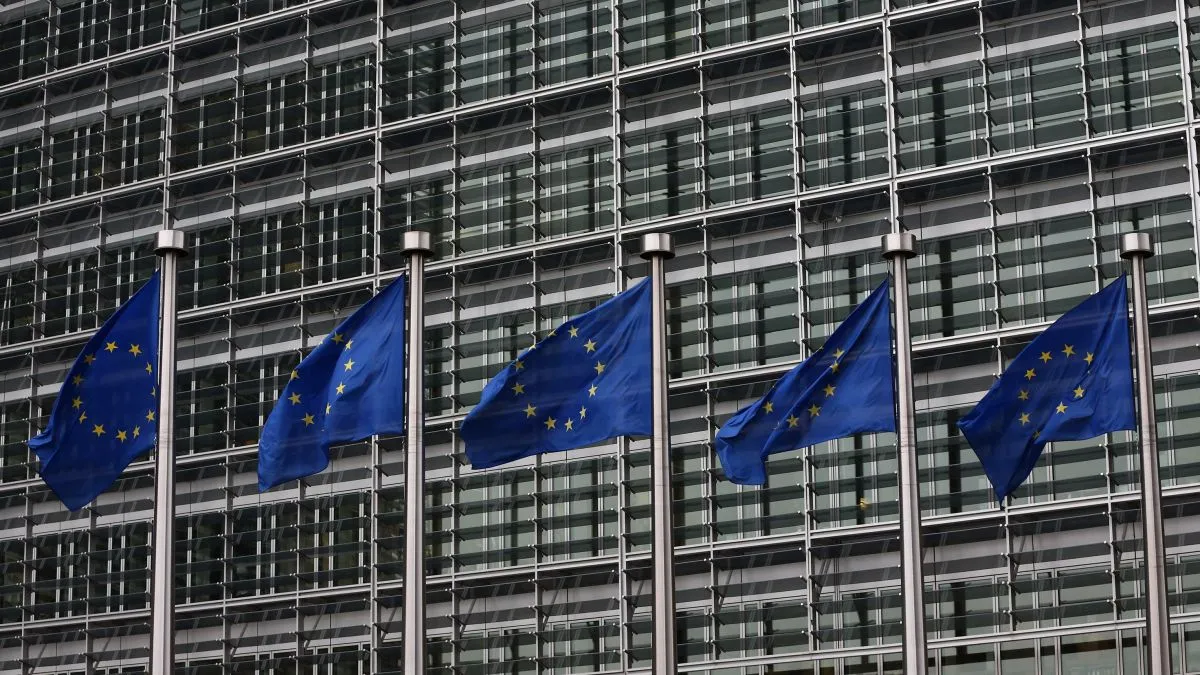
During a formal Foreign Affairs Council session in Brussels, the European Union’s High Representative for Foreign Affairs and Security Policy, Josep Borrell, confirmed that designating Iran’s Islamic Revolutionary Guard Corps (IRGC) as a terrorist entity is a key agenda item. This potential move signals a significant hardening of the EU’s diplomatic posture toward the Islamic Republic.
Borrell indicated that placing the IRGC on the bloc’s terrorism list would align the organization with groups such as Al-Qaeda and Hamas. This action is intended to serve as a potent demonstration of the EU’s commitment to addressing the violence perpetrated by the Iranian regime, particularly its crackdown on domestic protestors.
Beyond the designation, the bloc is simultaneously preparing targeted sanctions against specific Iranian officials implicated in the regime’s repressive actions. This two-pronged approach—listing the organization while sanctioning individuals—is designed to maximize economic and political pressure on Tehran’s leadership structure.
However, the potential listing presents a complex geopolitical calculation for Brussels. Despite the severe punitive measures being considered, EU diplomats are reportedly keen to maintain open communication channels with Tehran. This suggests a strategic effort to preserve the possibility of dialogue, even amid heightened confrontation.
Globally, this development occurs within an already volatile environment concerning Iran. The EU’s decision is shadowed by escalating tensions with the United States, which has increased its military posture in the region, adding another layer of strategic complexity to the situation in the Middle East.
From an economic perspective, the formal designation of the IRGC—a powerful entity with significant influence over vast sectors of the Iranian economy—carries implications for international trade and financial dealings with entities connected to the corps. European businesses operating in or near the sphere of Iranian influence will face heightened compliance risks.
The decision, if formally adopted, represents a fundamental shift from the EU’s previous cautious engagement strategy toward a more confrontational stance, reflecting dissatisfaction with the trajectory of human rights and regional stability under the current Iranian administration. (Source: Based on reporting by UA.News and affiliated correspondents.)