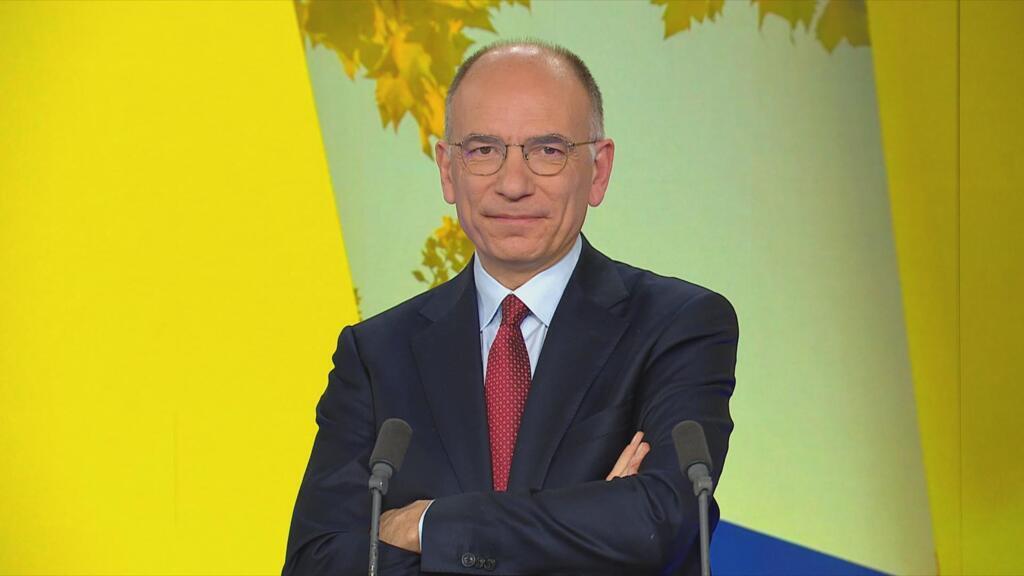
Former Italian Prime Minister Enrico Letta warned this week that the ongoing conflict in the Middle East has exposed deep structural weaknesses in the European Union. In an interview with France 24, Letta argued that the EU's inability to unify its energy and financial markets leaves the bloc vulnerable to external shocks.
"The war is a big mistake," Letta said. "It is also a big problem for the competitiveness of the European Union. We are today paying a price in terms of the rise in energy prices and in terms of a total lack of predictability."
Letta, who authored a major 2024 report on the future of the Single Market, noted that two years later, many of his recommendations remain ignored. He blamed the continued existence of 27 separate energy markets rather than a single, cohesive European system for the bloc's current economic anxiety.
Fragmentation undermines market strength
According to Letta, the EU has failed to modernize its economic framework to match the realities of a service-based economy. While the original single market agreement successfully integrated goods and people, he argued that it failed to integrate services and capital markets effectively.
"We have one currency and 27 financial markets," Letta said. "The consequence of that is the fragmentation."
He also criticized the political behavior of individual member states, specifically targeting Hungarian Prime Minister Viktor Orban. Letta called for a tougher stance against Orban regarding his decision to block a 90-billion-euro loan to Ukraine, citing a breach of the union’s fundamental rules of solidarity.
In addition to market reform, the EU is pursuing a digital euro to reduce reliance on American financial infrastructure. The project gained momentum as European officials identified risks associated with dependence on U.S.-based payment giants like Visa and Mastercard.
This vulnerability recently captured public attention when judges at the International Criminal Court faced sanctions from Washington following an arrest warrant for Israeli Prime Minister Benjamin Netanyahu. The sanctions rendered the judges unable to use their bank cards while on European soil.
While the European Central Bank maintains that a digital currency would provide a sovereign alternative beyond the reach of foreign sanctions, the project faces significant pushback. Private banks fear the initiative will drain customer deposits and erode the lucrative fees they generate from traditional payment processing.