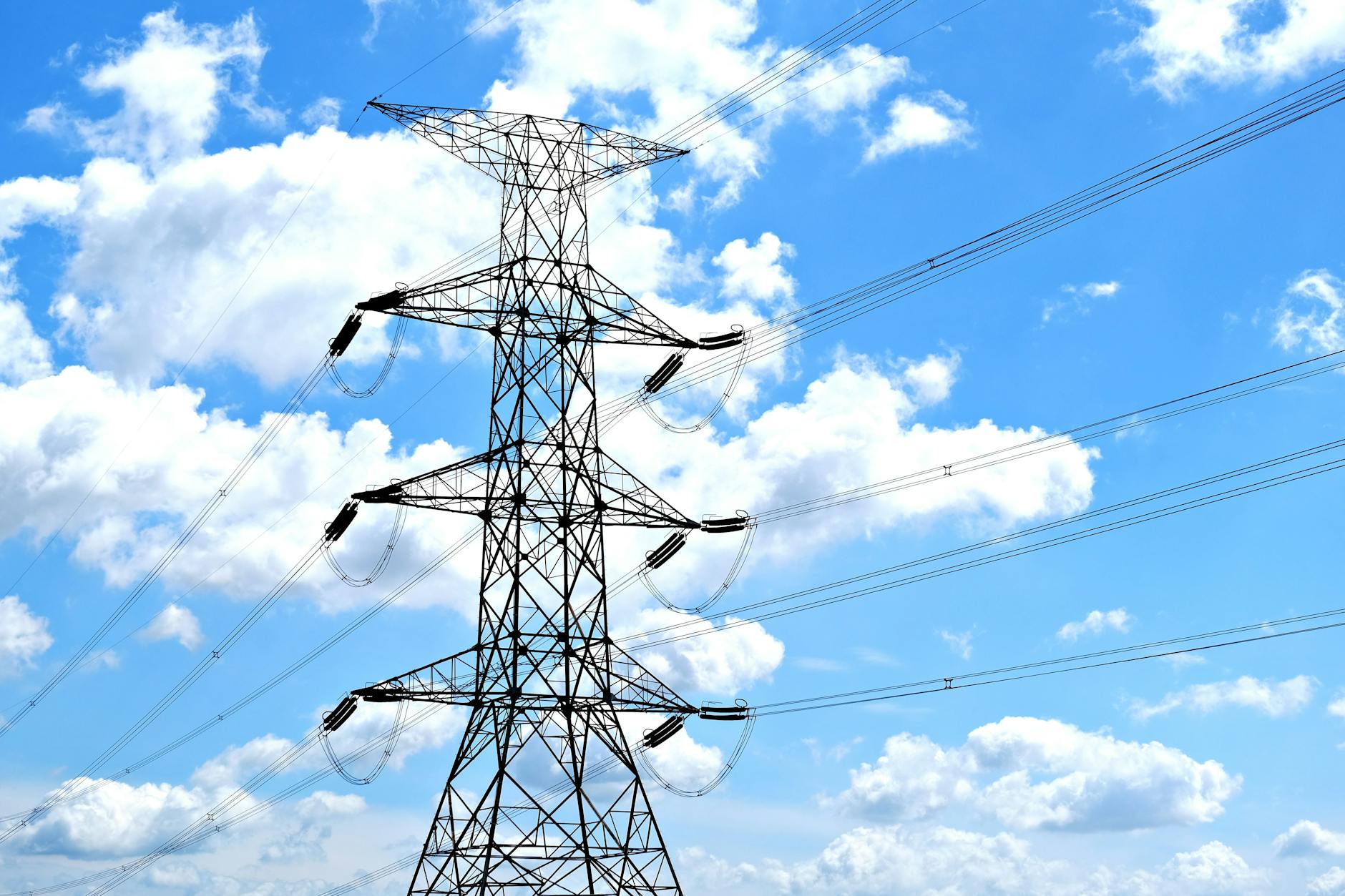
Egypt’s Ministry of Electricity confirmed on Saturday that it has implemented a series of price hikes for electricity. The new rates, which took effect in April, specifically target commercial entities and residential consumers who fall into higher usage brackets.
Officials attributed the decision to the severe global energy crisis currently unfolding. The ministry explicitly linked the domestic price adjustments to the escalating conflict in the Gulf region, which has tightened international energy supplies.
The regional instability has triggered significant concerns regarding the security of energy transit. Tensions in the Gulf have intensified following threats from U.S. President Donald Trump, who has warned Tehran of severe consequences unless the Strait of Hormuz is reopened. The waterway serves as a critical artery for global oil and gas shipments.
Regional instability compounds pressure
The situation remains volatile as the conflict spreads. Recent reports indicate that Israeli strikes have targeted Iranian intelligence officials, while fighting has expanded into Lebanon and Haifa. These military actions have further unsettled global oil markets, driving up costs for net energy importers like Egypt.
The Egyptian government has struggled to balance the rising cost of fuel imports with the need to maintain affordable public services. By shifting the financial burden to higher-use consumers and the commercial sector, the state aims to mitigate some of the fiscal strain caused by the regional energy crunch.
The government has not yet indicated whether further price hikes are planned if the conflict continues to disrupt maritime trade routes. For now, businesses and high-consumption households face an immediate increase in their operational and living expenses as the broader Middle East remains mired in a deepening security crisis.