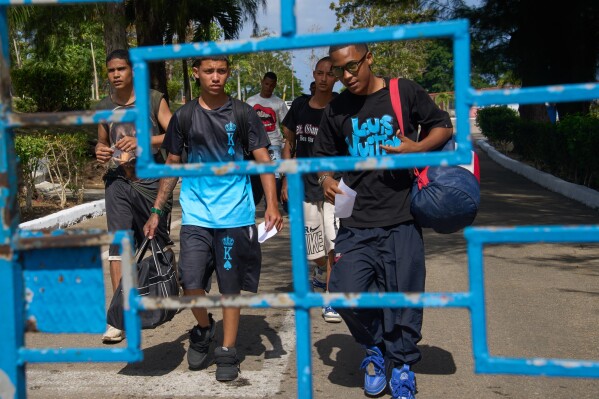
Cuban officials released more than 2,000 prisoners on Good Friday, citing a humanitarian gesture as the reason for the mass clemency. The government announced the measure during the holiday, though it maintained strict eligibility requirements for those seeking release.
The pardons exclude anyone convicted of violent crimes, including murder, sexual assault, and robbery involving weapons. Authorities also disqualified individuals convicted of drug-related offenses, corruption of minors, and crimes against authority.
Critics question scope of pardons
Human rights organizations have expressed skepticism regarding the true nature of the releases. The advocacy group Justicia 11J specifically highlighted the exclusion of those convicted for "crimes against authority," a legal category that includes resistance and contempt charges.
"It is especially worrying to see the mention of so-called 'crimes against authority,' which include figures such as assault, resistance, and contempt," the group stated. The NGO argues that Cuban authorities frequently use these specific legal categories to criminalize political opposition.
Justicia 11J estimates that there are currently 775 people held in Cuba for political reasons. As of Friday afternoon, the Miami-based rights group Cubalex reported that it had not verified the release of a single political prisoner.
Laritza Diversent, director of Cubalex, told AFP that her organization had no evidence that any of the individuals detained for their political activities were among those granted freedom. The government has not provided a full breakdown of the identities or specific charges of the 2,000 prisoners released today.
The Cuban government frequently utilizes pardons during religious holidays, often following requests from family members or in response to international pressure. However, these lists are rarely subject to independent oversight, leaving rights groups to rely on their own monitoring to determine who is included in the government's count.