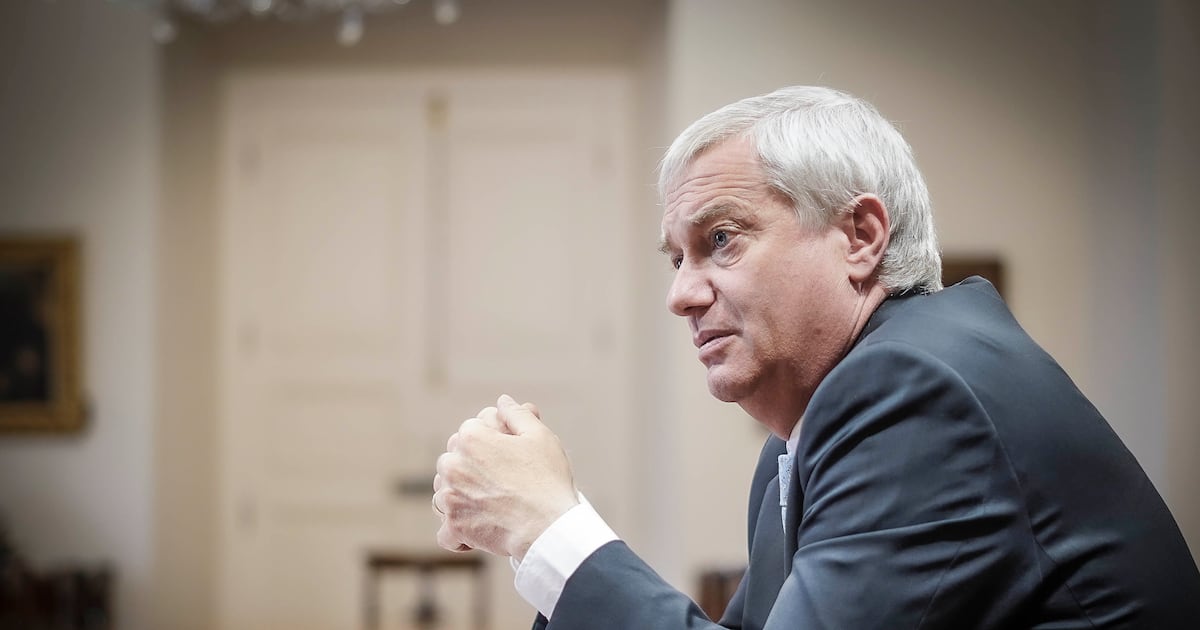
President José Antonio Kast suggested pardons for uniformed officers convicted during the 2019 social outbreak during a Sunday interview with La Tercera. Opposition lawmakers immediately rejected the proposal, citing serious concerns over human rights impunity and legal consistency within the national judicial system. This move highlights growing tensions between the administration and parliament regarding justice and national reconciliation in Chile.
Kast told La Tercera that he intends to surprise the country by calling for unity rather than maintaining political conflict with his adversaries. He stated that citizens must move past tensions and find solutions through dialogue instead of remaining entrenched in opposing political positions. The President emphasized his desire to exit the trenches he believes exist due to strong disagreements over recent social mobilizations. He further noted that living always in confrontation prevents finding any viable path to peace.
Deputy Carolina Tello from the Frente Amplio argued that true national unity cannot exist while promoting impunity for human rights violations. She stated that reconciliation efforts must strengthen the rule of law rather than reward those who caused harm to civilians during the unrest. Tello warned that such measures deepen injustice instead of fostering peace among the divided population across the nation. She insisted that the state must remain on the side of victims to achieve lasting stability.
Deputy Matías Fernández highlighted a contradiction in Kast’s previous criticisms of pardons granted to social protesters during the same period. Lorena Fries, the party leader, added that the President appears to disregard international treaties obligating Chile to sanction human rights abuses. She explicitly stated that the opposition will not accept surprises regarding these legal benefits for convicted officers. Fries emphasized that treaties require sanctions rather than the relativization of crimes through clemency.
Socialist Deputy César Valenzuela claimed the President is acting as a trench leader rather than a unifying national figure for the country. Communist Deputy Lorena Pizarro criticized the move as obscene impunity that violates international agreements signed by the state. She noted the administration prioritizes economic trade treaties over human rights commitments during this critical political period. Pizarro described the President's actions as a clear disregard for established international legal obligations.
This discussion follows Kast’s previous comments to T13 regarding the violence that occurred during the 2019 mobilizations across the nation. He previously distinguished between individuals compensated for physical damage and those imprisoned for fulfilling state mandates during the crisis. The current proposal seeks to alter the legal standing of uniformed personnel already convicted in court for their actions. It marks a significant shift in how the executive branch views the accountability of security forces.
The proposal challenges existing judicial rulings and could strain relations with international human rights organizations monitoring the situation closely. It risks polarizing the political landscape further during an already complex constitutional and economic period for the country. Legal experts suggest pardons of this nature face significant constitutional hurdles in the Chilean judicial system. These hurdles could delay any potential implementation of the President's initiative significantly.
Parliament is expected to debate the feasibility and legality of such executive actions in the coming weeks ahead. Observers will watch closely to see if the government proceeds with formal legislation or relies on discretionary presidential powers. The outcome will likely define the administration’s approach to accountability and reconciliation in the near future. Continued dialogue between the government and opposition parties remains essential to prevent further social unrest.