Bangladesh Workers Deceived Into Ukraine War Service by Russian Recruiters
Investigation reveals Bangladeshi laborers were lured to Russia with false job promises, then forced into combat roles in Ukraine through coercive military contracts.
Bangladesh Workers Deceived Into Ukraine War Service by Russian Recruiters
Publicidad
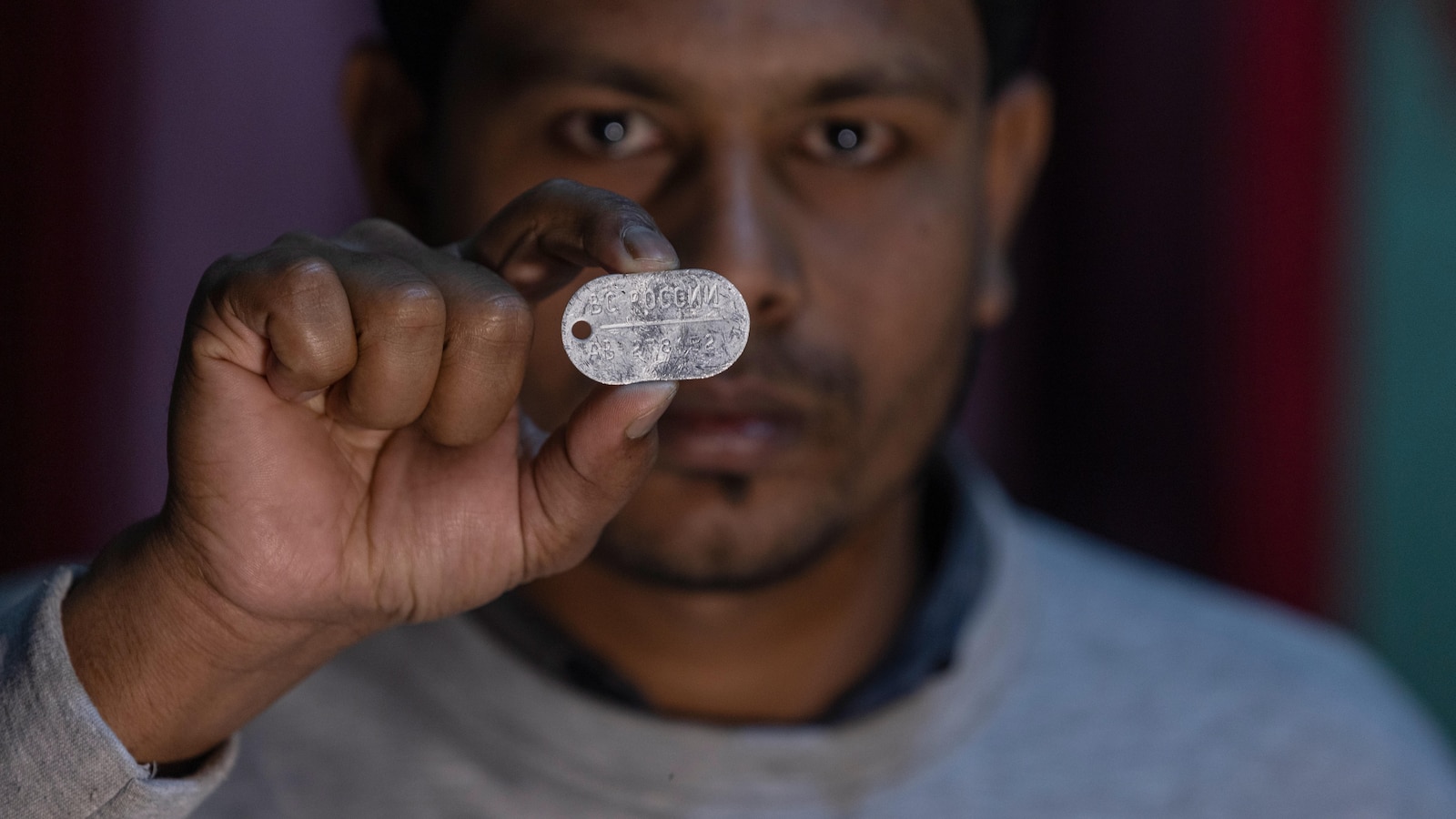
An extensive investigation has uncovered a systematic pattern of deception by Russian military recruiters who have lured Bangladeshi workers to Russia under false pretenses, only to coerce them into combat roles in the ongoing Ukraine conflict.The scheme, which has affected hundreds of Bangladeshi nationals according to witness accounts, involves labor recruiters promising lucrative civilian positions in Russia—typically cleaning or maintenance work paying $1,000-$1,500 monthly—before forcing workers into military service through fraudulent contracts.Maksudur Rahman, one of three Bangladeshi workers who managed to escape Russian military service, described his harrowing experience to investigators. After paying approximately $9,800 to a broker for what he believed was a janitorial position at a Russian military facility, Rahman found himself thrust into combat training within weeks of arriving in Moscow in December 2024."Your agent sent you here. We bought you," a Russian commander reportedly told Rahman through a translation app when he protested about the nature of his assignment. The workers were subsequently trained in drone warfare, medical evacuation procedures, and heavy weapons operation before being deployed to front-line positions near the Russia-Ukraine border.The investigation, corroborated by travel documents, Russian military contracts, medical reports, and photographic evidence, reveals a pattern of systematic exploitation targeting vulnerable migrant workers from South Asian and African nations. Officials indicate similar recruitment schemes have targeted workers from India, Nepal, and other developing countries.Mohan Miajee, another escaped worker from Bangladesh's Munshiganj district, was initially recruited as an electrician for a gas-processing plant in Russia's far east. When harsh working conditions made that position untenable, a Russian army recruiter contacted him online, promising electrical work in electronic warfare units "nowhere near combat."Instead, Miajee was deployed to the captured Ukrainian city of Avdiivka, where he faced physical abuse, torture, and forced participation in supply missions and body recovery operations. "If they told us to go to the right and we went to the left, they would beat us severely," he recounted, describing the language barriers that exacerbated their predicament.The economic desperation driving this exploitation is rooted in Bangladesh's structural unemployment challenges. In the Lakshmipur district, where Rahman originates, nearly every family depends on overseas remittances from migrant workers. The promise of permanent residency and steady income in Russia proved irresistible to workers facing limited domestic opportunities.Documentation reviewed includes contracts signed by Major Vladimir Yaltsev, head of the Kostroma regional recruitment center, indicating official Russian military involvement in these recruitment operations. Neither Russian defense nor foreign ministry officials responded to requests for comment regarding these allegations.The human cost extends beyond those who escaped. Families of missing Bangladeshi workers continue to receive fragmentary communications suggesting their relatives remain trapped in combat roles. Salma Akdar last heard from her husband Ajgar Hussein on March 26, when he reported being "sold to the Russian army." Hussein, father of two young sons, disappeared after departing Bangladesh in December 2024 for what he believed was civilian employment.This investigation highlights broader concerns about labor trafficking in conflict zones and the exploitation of economic migrants from developing nations. The systematic nature of these deceptive recruitment practices suggests coordinated efforts to address military personnel shortages through coercive means, raising significant questions about international labor protection mechanisms and diplomatic oversight of migrant worker welfare.This report is based on an Associated Press investigation and includes accounts from multiple sources and documentary evidence.