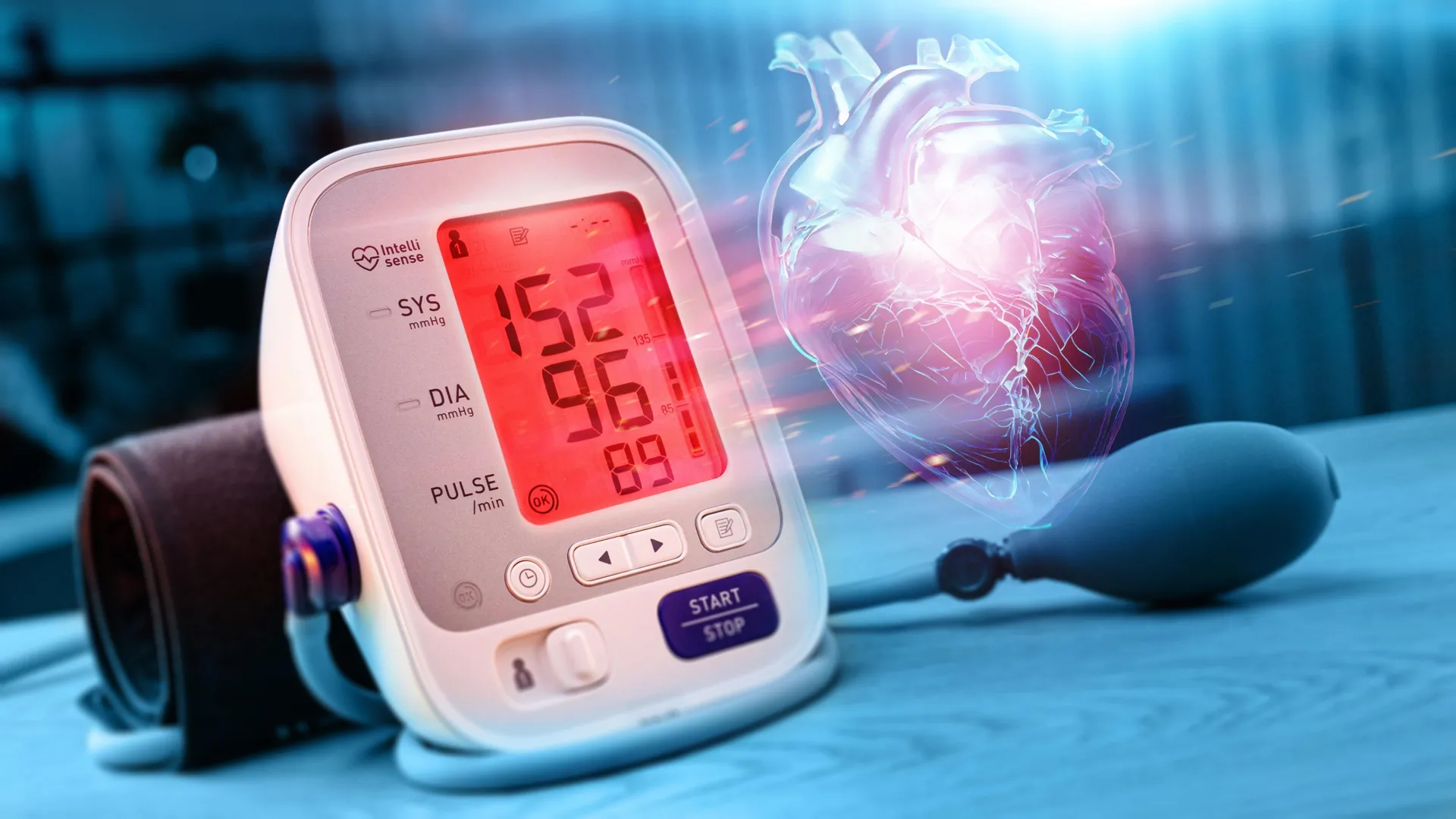
The MOMENTUM study revealed that 27% of patients with resistant hypertension suffer from hypercortisolism. This finding challenges previous assumptions about the prevalence of excess cortisol in chronic high blood pressure cases. Nearly 10 million Americans currently face this difficult-to-treat condition.
Key Details
Researchers evaluated 1,086 participants across 50 centers nationwide, including Mount Sinai Health System. Participants underwent a dexamethasone suppression test to measure morning blood cortisol levels after a night dose. Doctors classified patients with levels above 1.8 ug/dL as having the condition. The methodology provided robust data across diverse medical facilities.
Out of the total group, 297 individuals were found to have elevated cortisol. This represents a significant portion of the population previously treated with standard therapies. The study marks the first large-scale assessment of this frequency within the United States. Statistical significance confirms the link between stress hormones and uncontrolled pressure.
Hyperaldosteronism also appeared in about 20% of participants with resistant hypertension. Roughly 6% had both disorders simultaneously, complicating treatment plans for medical teams. Physicians identified reduced kidney function as another factor increasing the likelihood of elevated cortisol. These overlapping conditions require complex management strategies to prevent cardiovascular damage.
What This Means
The findings suggest that physicians should consider elevated cortisol as a possible cause of resistant hypertension. Financial implications for healthcare systems could arise from expanded screening protocols and targeted therapies. Treating hypercortisolism might provide a new way to lower blood pressure when standard therapies are not effective. Reducing hospitalizations for heart failure could save billions in public health expenditures annually.
"The fact that such a high percentage of patients with resistant hypertension have elevated cortisol levels is very different from what doctors have been historically taught," said Deepak L. Bhatt, MD, MPH, MBA. He noted that these findings should prompt more screening for excess levels of cortisol in patients with resistant hypertension. The medical community must update diagnostic protocols to reflect these new realities.
Patients whose blood pressure remains high despite multiple medications may benefit from asking their doctor about screening. Testing is relatively simple, and many patients are eager to find an explanation for uncontrolled readings. Identifying the root cause could shift treatment strategies away from standard therapies. This approach empowers patients to seek specific explanations for their symptoms.
The next step to further this research involves conducting randomized trials to determine efficacy. Researchers aim to see if therapies that lower the impact of cortisol can safely and effectively treat high blood pressure. Study funding came from Corcept Therapeutics Incorporated, which sponsored the research. Regulatory bodies will likely monitor these trials closely before approving new interventions.
Global healthcare systems face rising costs from chronic conditions like resistant hypertension. Addressing underlying hormonal issues could reduce long-term cardiovascular event risks significantly. Continued research will determine how widespread screening impacts public health outcomes worldwide. Policymakers must weigh the cost of testing against potential long-term savings.