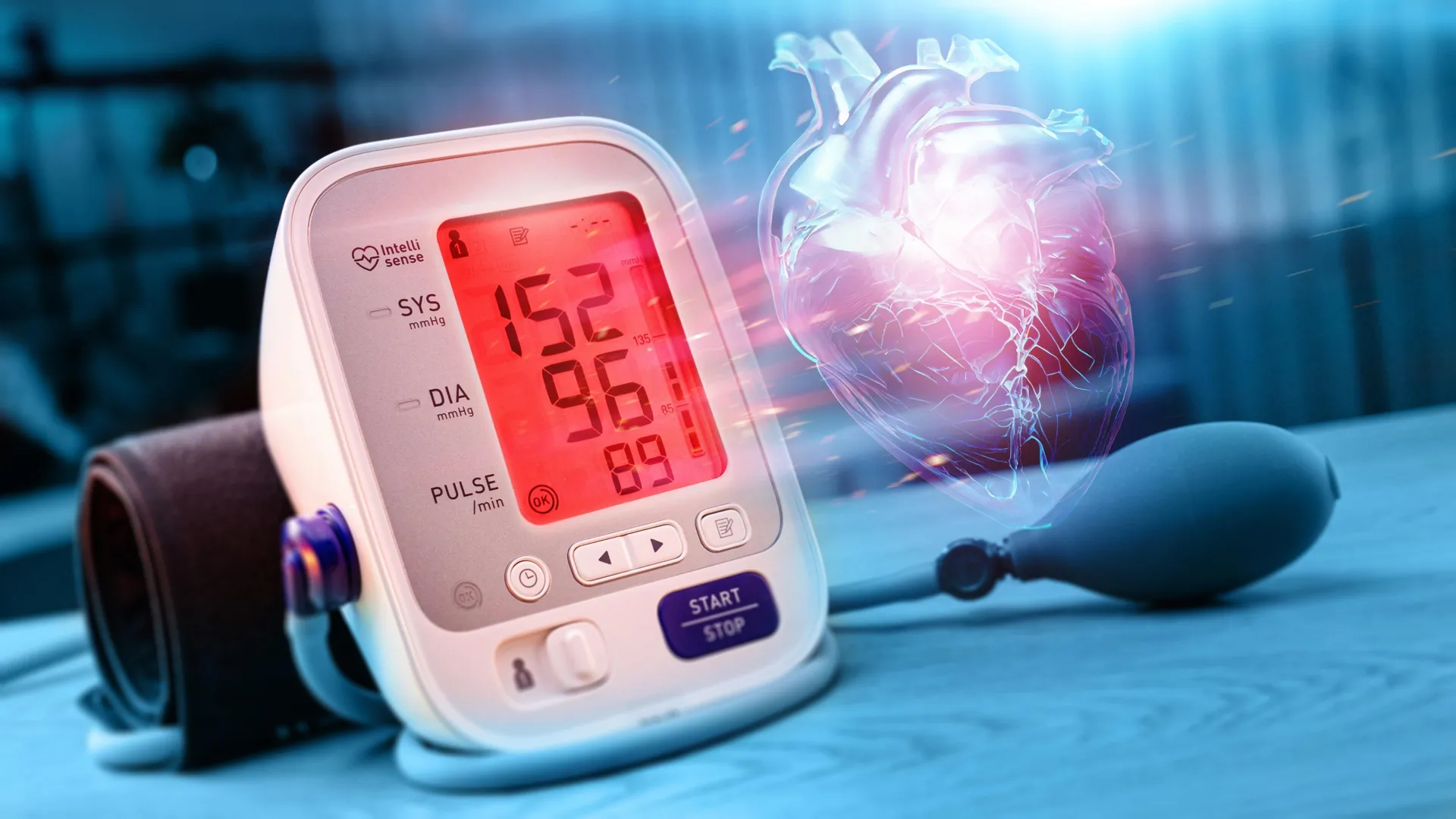
A comprehensive analysis of resistant hypertension reveals a significant correlation with hormonal imbalances. The MOMENTUM study indicates that 27% of patients suffering from uncontrolled blood pressure have hypercortisolism. Nearly 10 million people in the United States are affected by this condition alone. This finding challenges established medical protocols regarding standard hypertension treatments.
Key Details
Researchers evaluated 1,086 participants across 50 centers nationwide, including Mount Sinai Health System. The trial represents the largest study conducted in the United States to measure cortisol prevalence in this demographic. Data collection occurred recently to assess the efficacy of current diagnostic methods. The study was presented at the American College of Cardiology's Annual Scientific Session. This venue ensures the findings reach a wide audience of medical professionals.
Diagnosis involved a dexamethasone suppression test to measure morning blood cortisol levels. Patients with levels exceeding 1.8 ug/dL were classified as having the condition. This rigorous protocol ensures accurate identification of excess cortisol production. Participants took a dose of dexamethasone at night before blood draws.
Study results indicate that 297 participants met the criteria for hypercortisolism. This prevalence rate is far higher than clinicians historically anticipated. The data suggests underlying health issues often prevent standard therapies from working effectively. Previous estimates significantly underestimated the frequency of this specific hormonal disorder.
Additional risk factors included reduced kidney function and primary hyperaldosteronism. About 20 percent of participants had the latter disorder involving aldosterone production. Roughly six percent presented with both conditions simultaneously. These comorbidities complicate treatment plans for patients with resistant hypertension.
"The fact that such a high percentage of patients with resistant hypertension have elevated cortisol levels is very different from what doctors have been historically taught," said Deepak L. Bhatt, MD, MPH, MBA. He emphasized that these findings should prompt more screening for excess levels. Medical education must adapt to reflect these emerging clinical realities. Dr. Bhatt also called for randomized trials to validate new therapies. This shift could fundamentally change how physicians approach high blood pressure cases.
What This Means
Patients face higher risks of heart attacks and heart failure without proper management. Weight gain, muscle loss, and diabetes also link to the hormonal imbalance. Identifying excess cortisol opens possibilities for targeted therapies when standard treatments fail. These complications increase the long-term burden on the cardiovascular system. Early detection is key to managing these risks effectively.
The economic burden of uncontrolled hypertension remains a critical concern for global health systems. Treating resistant cases often requires expensive medication regimens that yield limited results. Effective screening could reduce overall healthcare expenditures by preventing downstream complications. Pharmaceutical companies are watching closely for new treatment opportunities in this sector. Global markets may shift as new diagnostics become standard practice.
The next step involves conducting randomized trials to test cortisol-lowering therapies. Dr. Bhatt noted the need to determine if these interventions safely treat high blood pressure. Corcept Therapeutics Incorporated funded the study and serves as the primary sponsor. Dr. Bhatt disclosed that he is a paid consultant for the company. These disclosures highlight the complex financial relationships in modern medical research.