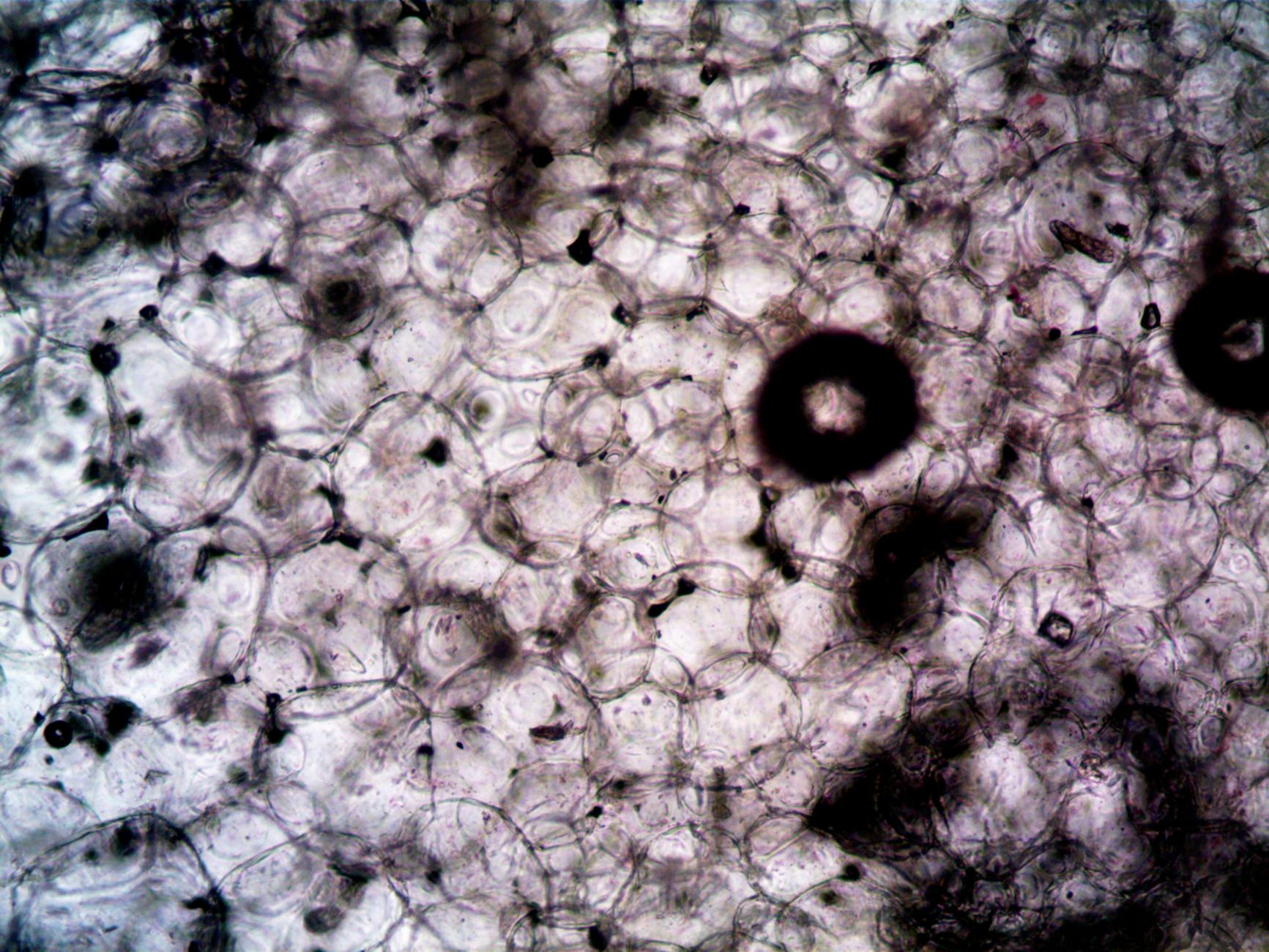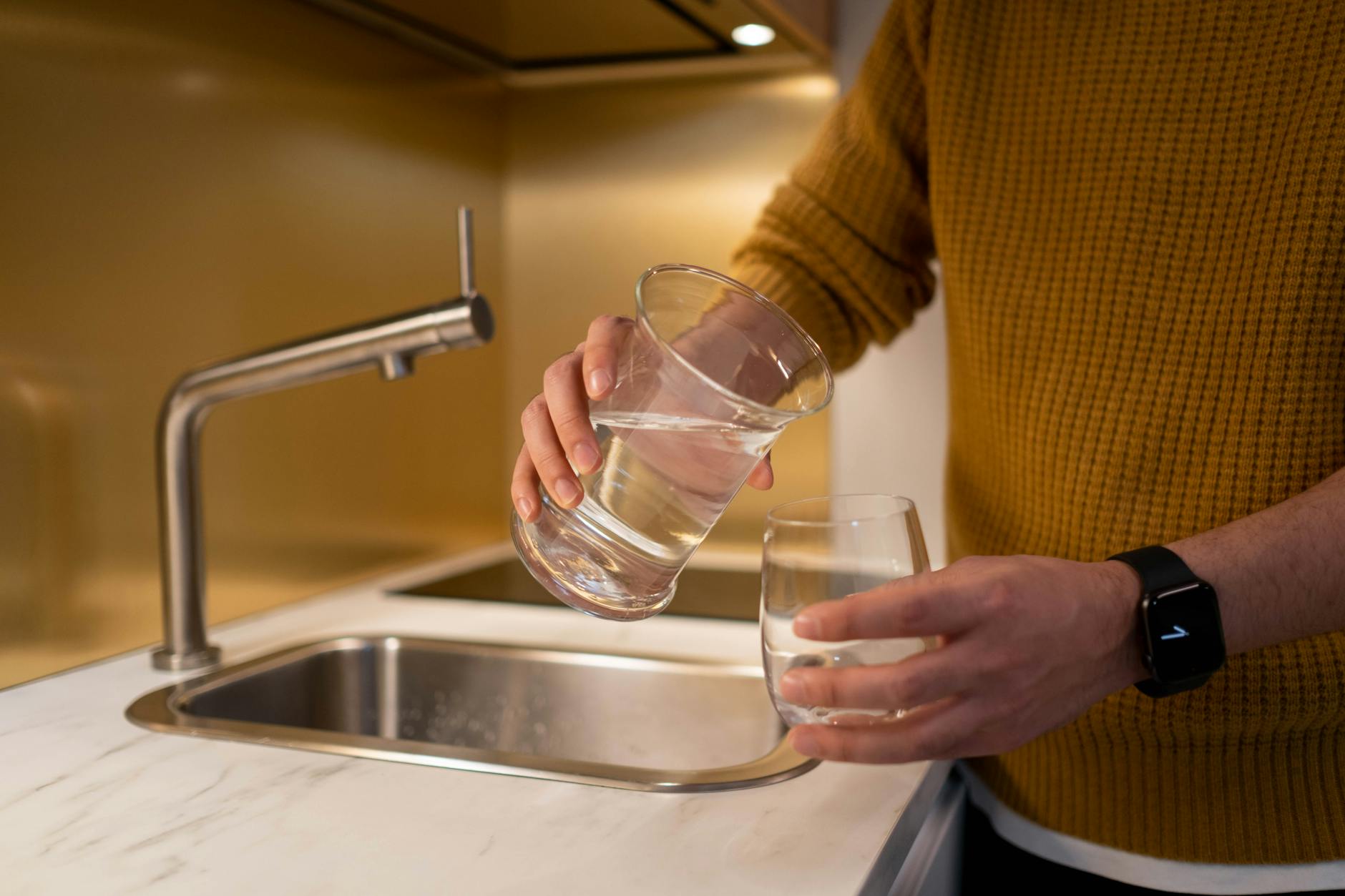
Public health experts are urging residents in Mexico to avoid drinking tap water directly from the faucet, citing consistent risks of bacterial and parasitic contamination. Despite municipal efforts to treat water supplies, experts warn that the aging infrastructure and storage methods often compromise water quality before it reaches the consumer.
According to Ecofiltro, untreated tap water in Mexico and much of Latin America often contains chemical pollutants, parasites, and fecal matter. These contaminants frequently lead to severe gastrointestinal illnesses, eye infections, and skin irritations. While the Mexican Official Standard NOM-127-SSA1-1994 mandates specific processes for water potabilization, the integrity of that water is often lost during transport through pipes and storage in household tanks.
The hidden dangers in the pipes
The presence of E. coli remains one of the most significant threats to public safety. This fecal coliform bacteria, which originates in the intestines of humans and animals, can enter water supplies through environmental exposure. Once ingested, harmful strains of E. coli cause significant gastrointestinal distress and systemic infections.
In addition to E. coli, researchers at the University of Arizona have identified Salmonella and the protozoan parasite Cryptosporidium as frequent contaminants in substandard water supplies. Cryptosporidium is particularly concerning because it is resistant to chlorine treatment. The parasite targets the human gastrointestinal tract and has been identified as the source of several large-scale waterborne disease outbreaks.
Experts note that unpleasant odors or unusual tastes in tap water are often the first indicators of contamination. While water may be treated at a municipal plant, the journey through contaminated distribution networks or dirty home cisterns can introduce new pathogens.
Health officials emphasize that the only way to ensure safety is by implementing a secondary filtration process at home. The market for home water purifiers has expanded rapidly, offering accessible alternatives to the daily reliance on heavy bottled water jugs. By utilizing certified filtration systems, households can effectively remove biological and chemical impurities, turning questionable tap water into a safe, potable resource for the family.