Storm Kristin has inflicted significant material damage and human cost across Portugal, prompting high-level government response and urgent calls for federal aid. The storm system, characterized by wind gusts reaching 178 km/h at its apparent entry point in Leiria, caused extensive flooding and landslides, leading to at least five confirmed deaths, according to civil protection authorities (ANEPC).
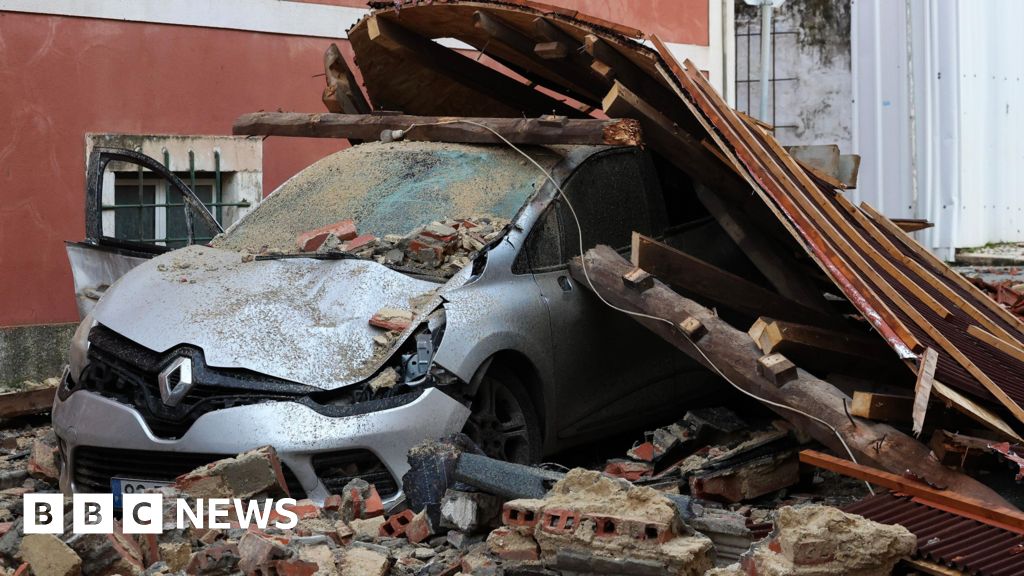
The infrastructural impact is profound. Key transport arteries, including the main motorway connecting Lisbon to the north, were rendered impassable due to debris and downed trees. In the coastal municipality of Figueira da Foz, visual evidence of the storm’s ferocity included an overturned Ferris wheel and structural damage to buildings, highlighting the risk posed by extreme weather to commercial and public assets.
Economic activity has been severely curtailed. Over 850,000 residential and commercial customers faced prolonged power outages, directly impacting productivity and supply chains. Furthermore, the Portuguese Institute of the Sea and Atmosphere (IPMA) issued red warnings for coastal areas, anticipating waves up to 14 meters, which threatens maritime commerce and coastal infrastructure.
Local governance is signaling an unprecedented challenge. Goncalo Lopes, the Mayor of Leiria, one of the hardest-hit districts where three fatalities occurred, explicitly likened the destruction to the aftermath of a bombing, urging the central government to declare a state of emergency to mobilize necessary recovery resources. This suggests recovery costs will extend well into the medium term.
Following its destructive path through Portugal, Storm Kristin immediately migrated eastward, bringing severe weather conditions, including heavy snow and high winds, to Spain. This trans-European weather event emphasizes the interconnected nature of regional stability and preparedness against increasingly volatile climate patterns.
While Prime Minister Luis Montenegro offered condolences and pledged governmental assessment, the immediate focus remains on managing the crisis and restoring essential services. The intensity and frequency of recent severe weather events demand a strategic reassessment of national resilience planning against climate-related economic shocks. (Source: BBC News reporting, updated by La Era analysis.)