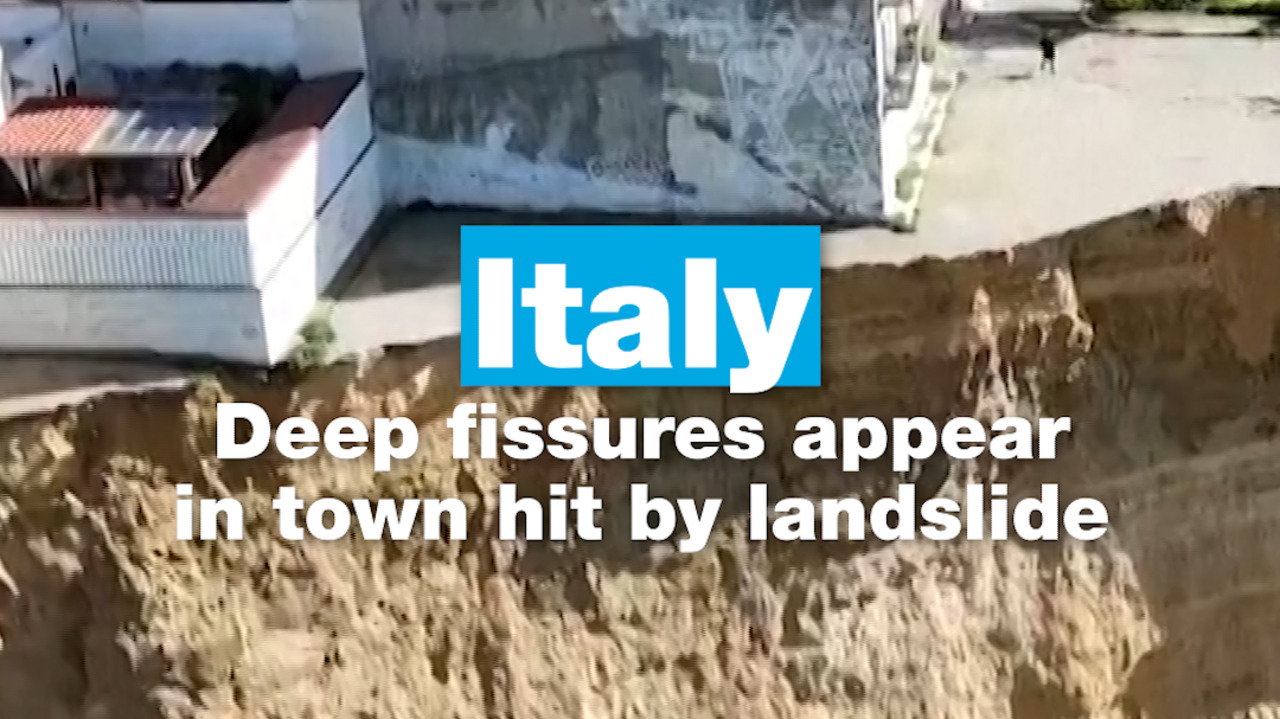
The Sicilian town of Niscemi is currently facing geotechnical instability after severe weather triggered a major landslide, according to reports from France 24.
Heavy rains associated with a recent cyclone destabilized the ground, leading to the collapse of several structures and necessitating the immediate evacuation of over 1,500 inhabitants. The situation has left parts of the community situated precariously near a cliff edge.
Authorities have initiated intensive surveillance operations across the affected zone due to the appearance of deep fissures spreading throughout the terrain. These cracks signal ongoing subsurface movement, posing an elevated risk to remaining infrastructure.
While the immediate focus remains on public safety and assessing the structural integrity of the area, the event highlights critical infrastructure resilience issues in regions susceptible to extreme climatic variability.
Geopolitical analysts often connect such localized disasters to broader trends in climate change adaptation financing and municipal planning standards across Southern Europe.
Data suggests that increased frequency of intense precipitation events places significant strain on aging civil engineering defenses in many Mediterranean coastal areas.
The response involves civil protection agencies coordinating temporary housing solutions for the displaced population while geotechnical engineers determine the long-term prognosis for the town's stability.
Further analysis will focus on the cost of remediation and whether existing regional disaster preparedness protocols adequately address the scale of this hydrological impact.