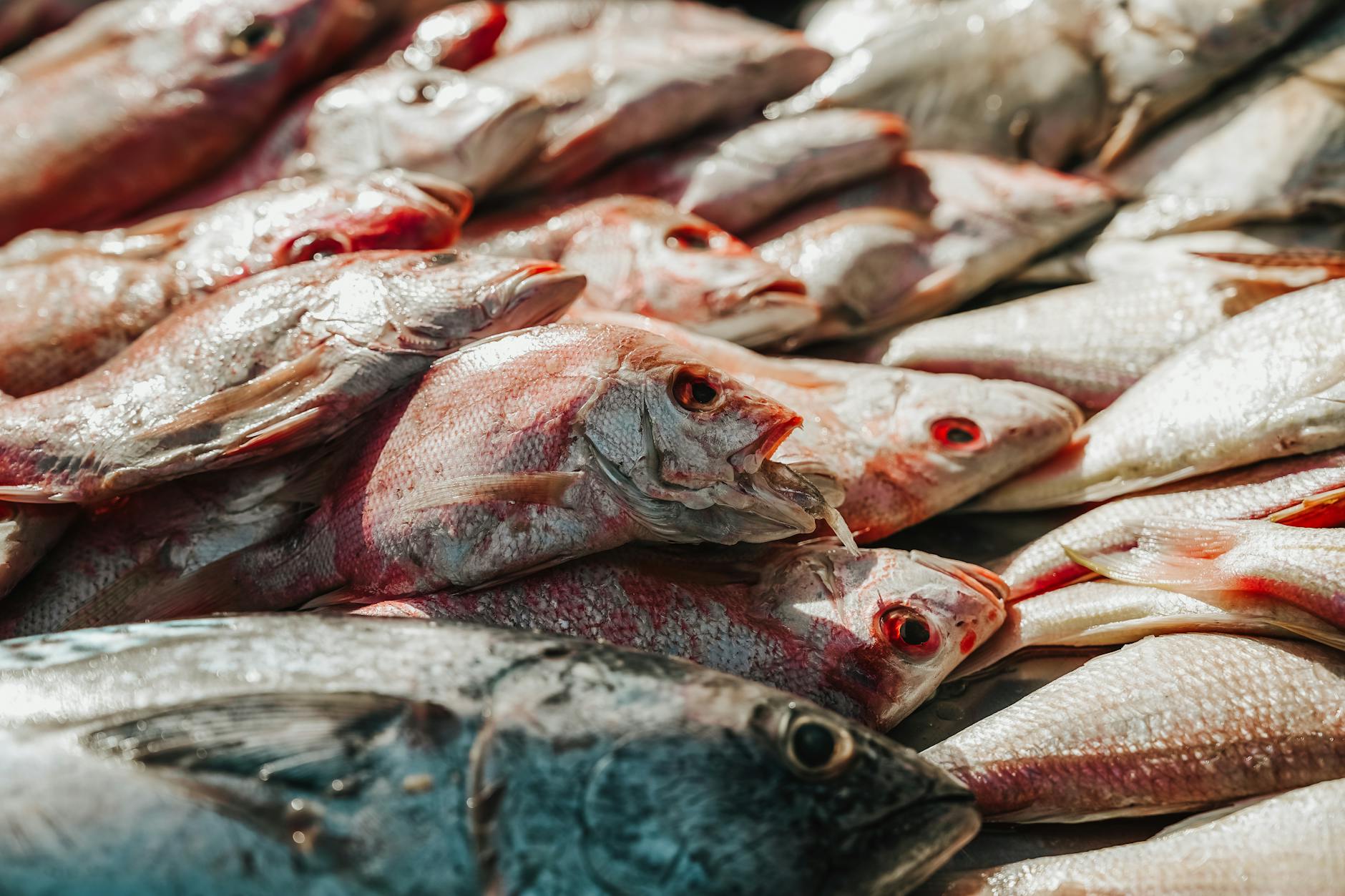
Mexican consumers are frequently paying premium prices for cheaper fish due to widespread mislabeling in markets and restaurants across the country. A new report from the ocean conservation organization Oceana reveals that 38 percent of all fish sold in Mexico is not the species the vendor claims it to be.
This substitution rate is significantly higher than the 20 percent global average reported by the United Nations Food and Agriculture Organization. The practice often involves replacing high-value fish, such as red snapper, with cheaper alternatives like tilapia or catfish that can cost three times less.
Oceana’s study, titled "Gato x Liebre: engaño vigente, solución pendiente," involved genetic testing of 1,262 samples collected over seven years. The findings illustrate a systemic issue that impacts the wallets of consumers and the livelihoods of honest fishing communities.
High rates of substitution
Certain species are almost never what they claim to be. According to the data, 100 percent of the fish sold as sailfish was mislabeled, as was 91 percent of marlin and 89 percent of sea bass. Other common victims of substitution include sierra (82 percent), grouper (72 percent), and red snapper (54 percent).
The deception poses risks beyond simple fraud. In some instances, shark meat is used as a substitute for marlin, putting pressure on threatened populations. José Mario de la Garza, president of the civil association Perteneces, noted on the social media platform X that these substitutions can also pose public health risks, as different species carry varying toxicological profiles.
Despite these findings, the Mexican government has yet to implement mandatory traceability measures. Such regulations would allow regulators and consumers to verify the origin, identity, and legality of seafood products from the moment of capture to the point of sale.
Oceana argues that implementing a robust traceability system is the only way to combat the deception. The organization maintains that such a move would protect marine biodiversity, ensure consumer safety, and improve the economic viability of the Mexican fishing industry in international markets.