George W. Maschke underwent a federal polygraph exam in 1995 that ultimately altered his life trajectory significantly. The FBI candidate passed initial security checks but failed the lie detector test regarding classified information. Maschke maintained his innocence despite the machine indicating deception during the initial interview session. This event highlighted the systemic issues within the background investigation process.
The examiner reported physiological spikes suggesting he was hiding contacts with foreign intelligence agencies. Maschke stated he answered honestly throughout the interrogation process in Springfield, Virginia. He later described the experience as the moment his entire career prospects were shattered permanently. The test results contradicted his eleven-year history of prior security clearances.
This incident prompted Maschke to research the validity of polygraph testing methods in great depth. He discovered significant flaws in the technology used by federal agencies for decades of screening. His findings eventually led him to co-found the advocacy website AntiPolygraph.org in the following years. He sought to prevent similar outcomes for other applicants seeking government service.
Today, the organization provides extensive resources for individuals harmed by inaccurate screening results. Visitors can access an e-book summarizing testing policies and personal statements from affected employees. Official documents and litigation information are also available on the platform for public review. These materials help users understand their legal rights during federal employment.
The Science Behind the Machine
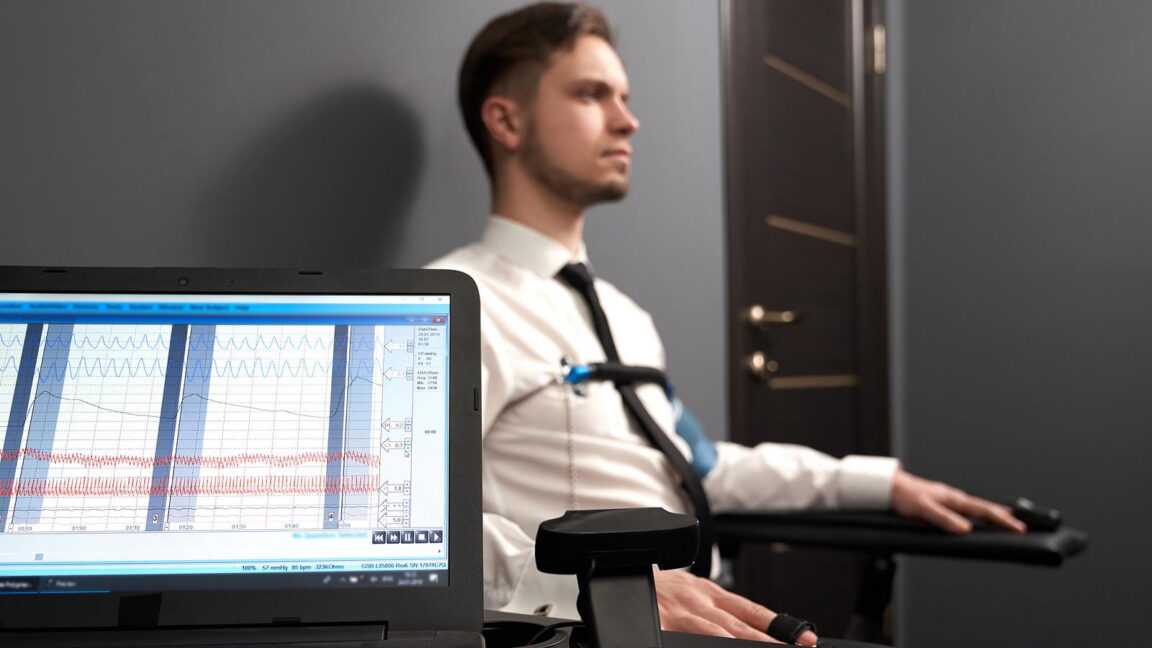
Polygraphs measure physiological responses such as blood pressure and heart rate during questioning sessions. Critics argue these signals do not inherently prove deception or truthfulness in a legal context. Medical experts have long noted that stress can mimic the profile of a liar during testing. The technology relies on assumptions that science has yet to fully validate.
The National Academy of Sciences concluded that polygraphs are not sufficiently accurate for forensic use. This assessment contrasts with the continued reliance on the technology by intelligence communities. Many agencies maintain the tool is a necessary deterrent for potential spies. Despite the findings, no federal ban on the practice exists currently.
Future of Screening
Legal challenges regarding polygraph admissibility continue in various federal courts across the nation. Some jurisdictions have moved towards biometric alternatives that do not rely on physiological interpretation. Technology firms are exploring voice analysis as a potential replacement for traditional methods. Courts must decide whether the evidence is probative in sensitive cases.
Observers suggest the government must evaluate the cost-benefit ratio of current screening protocols. Policy changes could significantly impact hiring practices for sensitive government positions. The debate over accuracy versus security remains unresolved in Washington. Future reforms may prioritize more scientific verification methods.
"My entire career prospects were basically shattered," said Maschke. "How could I have told the truth and failed the polygraph?"
Future developments in biometric technology may offer more reliable alternatives for national security. Policymakers will need to balance the need for trust with the limitations of current tools. Continued scrutiny of screening methods is expected in the coming legislative session. Public trust in these systems depends on their scientific reliability.