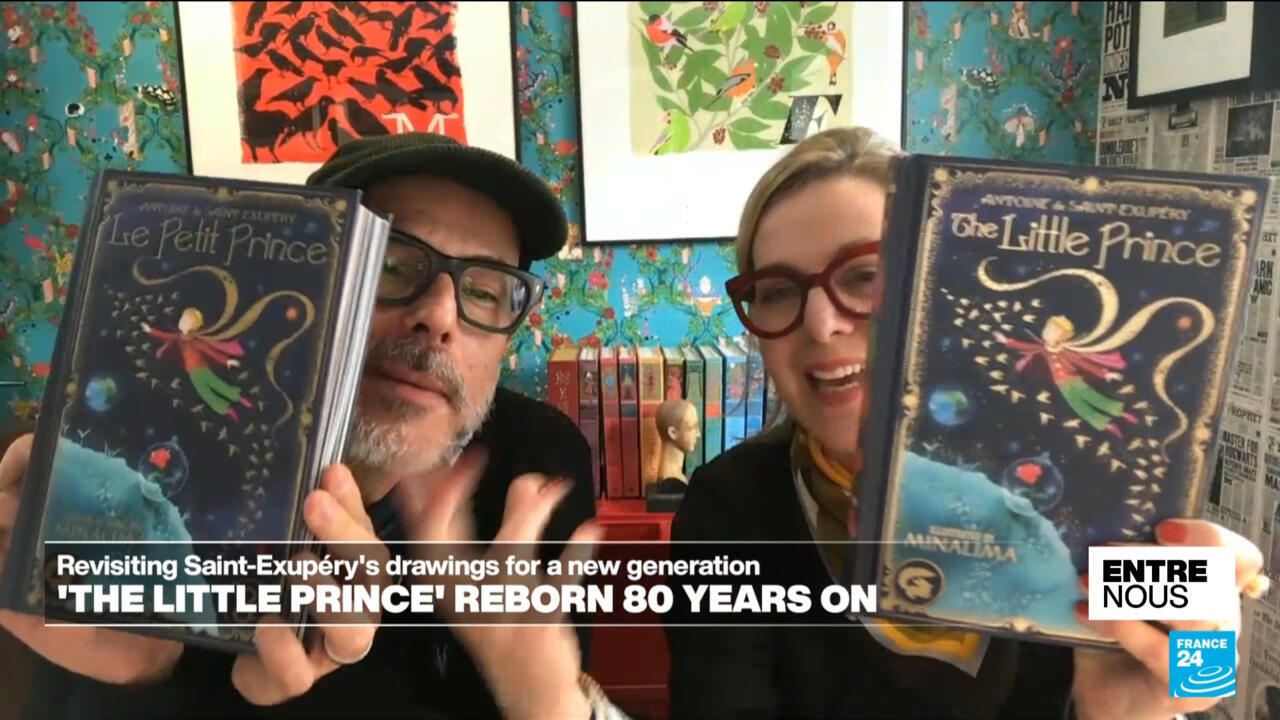
MinaLima has announced a new illustrated pop-up edition of Antoine de Saint-Exupéry's classic novel. This release coincides with the 80th anniversary of the original publication. The project aims to honor the author's legacy through updated design techniques and modern production methods.
The design studio behind the Harry Potter film graphics is handling the visual elements for this special edition. They plan to distribute the book in 22 languages across global markets to maximize reach. This expansion targets collectors and new readers simultaneously while maintaining high production standards.
Design and Commercial Strategy
Miraphora Mina and Eduardo Lima lead the creative efforts on this significant project. They intend to blend modern pop-up mechanics with the original aesthetic to ensure longevity. The studio stated the goal is to create a tactile experience for readers that respects the source material.
We want the new edition to feel timeless yet modern, honoring the text's enduring appeal, Mina said.
Industry analysts view this as a strategic move to revitalize interest in classic literature within the current economy. Specialized editions often command higher price points in the retail sector compared to standard print runs. This approach mirrors recent trends in luxury publishing releases that prioritize physical quality over digital formats.
Global Market Reach
The 22 languages planned for release cover major economic regions with high literacy rates. Distribution channels include online retailers and physical bookstores worldwide to ensure accessibility. Partnerships with local publishers will facilitate regional adaptation and reduce logistical friction.
Previous anniversaries for Saint-Exupéry's work saw similar increases in sales volume during the holiday season. The current edition aims to capitalize on this historical momentum to drive revenue growth. Financial projections suggest strong performance in European and North American markets specifically.
Intellectual property licensing remains a critical revenue stream for the publishing industry in the digital age. Rights holders often partner with design studios to refresh older catalogs and attract younger demographics. This collaboration demonstrates the continued value of classic literary assets in the modern marketplace.
Readers should expect the new edition to arrive in stores by the end of the quarter. Availability will likely be limited due to the complexity of the pop-up design and manufacturing constraints. Collectors may prioritize early acquisition to secure copies before stock depletes.