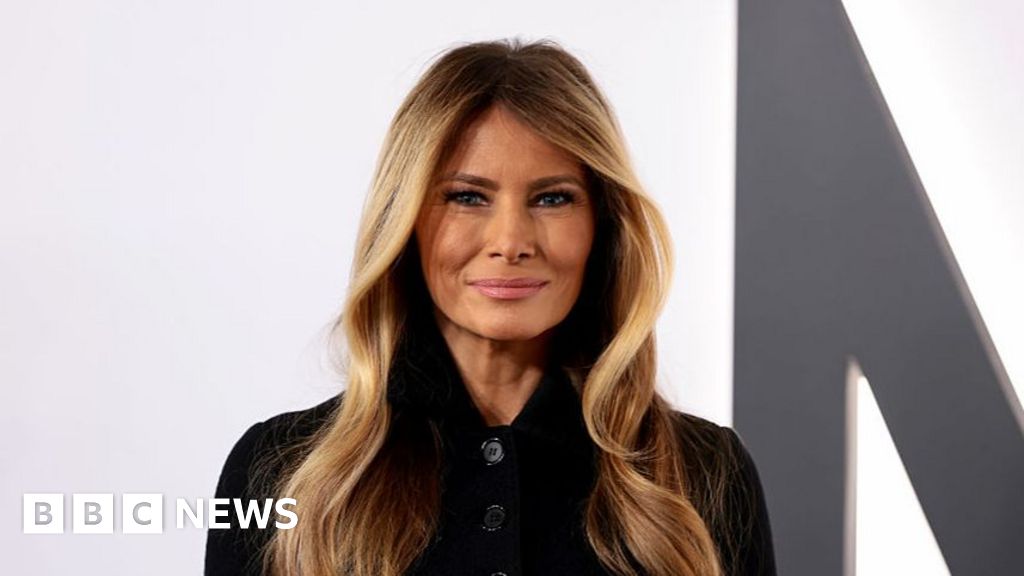
A documentary co-produced by Melania Trump, titled "Melania: 20 Days to History," debuted in US cinemas, promising an intimate look at the former first lady's preparations for a potential second term inauguration in January 2025. The film's release has been met with criticism from watchdog groups who questioned the financing and deemed the timing insensitive due to recent fatal incidents involving federal agents in Minneapolis.
The production is a co-venture involving Trump, director Brett Ratner—whose involvement raises questions given past sexual misconduct allegations he denies—and distribution by Amazon MGM Studios. Much of the documentary focuses on travel between Trump Tower and Mar-a-Lago, primarily showing interactions with stylists and interior designers, according to reports from the BBC covering the premiere.
Director Ratner reportedly prompted the former first lady to share personal details, leading to revelations such as Michael Jackson being her favourite musical artist. Trump appeared most candid when discussing the overwhelming grief following the death of her mother, Amalija Knavs, in January 2024, noting the emotional weight during the funeral of former President Jimmy Carter.
Donald Trump makes sparse appearances, offering praise during key events, while the former first lady’s close professional relationships are highlighted. Her bond with stylist Hervé Pierre and correspondence with France's Brigitte Macron, focusing on shared concerns regarding youth anxiety and social media, feature prominently in the narrative.
Conversely, the documentary largely omits the wider Trump family dynamics; the children, including Barron Trump, appear only briefly during the swearing-in ceremony. Melania Trump expressed a desire to protect her son's privacy, stating it is crucial he lives the life he chooses, as he reportedly avoided the camera during family transitions.
Throughout the film, Trump suggests discomfort with the rigid obligations of the first lady role, citing fewer quiet moments and the need to remain mentally strong. She largely deflected personal political commentary, instead echoing her husband's narrative regarding the alleged injustices endured during his previous tenure.
Documentaries of this nature have become a standard public relations tool, offering celebrities like Trump a revenue stream and enhanced image control, as noted by Katherine Jellison, an expert in first ladies at Ohio University. However, the political context of this project has led to public backlash, including vandalism of promotional materials in locations like Los Angeles, according to coverage reviewed by La Era.
Trump stated she would use her influence to support those in need, referencing a meeting with Aviva Siegel, whose husband remained held hostage by Hamas at the time of filming. This assertion of advocacy contrasts with the film's overall tone, which primarily serves as a carefully managed presentation of her journey from private citizen to public figure.